






The Allure of Peak Season
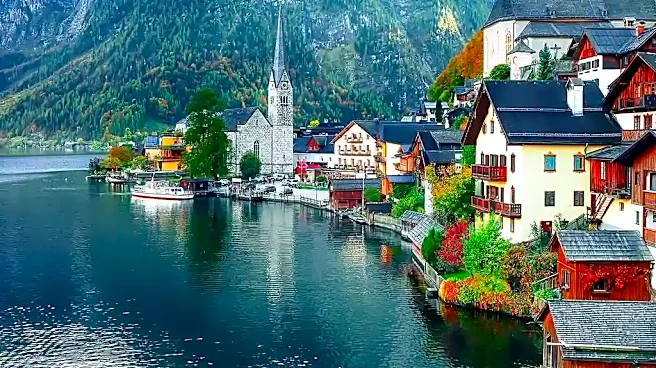
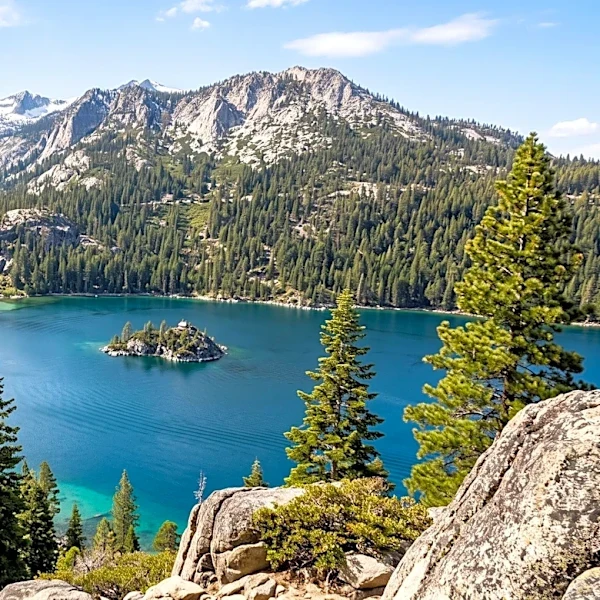
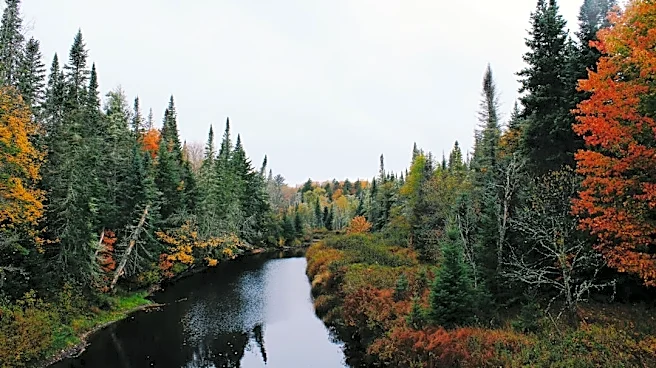
Peak season is exactly what it sounds like: the time of year when a destination is most popular, busiest, and often, has its best weather. Think of Europe in the summer, Colorado ski resorts in December, or New England during the fall foliage explosion.
This is the classic vacation period, driven by school holidays, ideal climate, and major local events or festivals. During peak season, every attraction, restaurant, and tour is typically open and running on extended hours, creating a vibrant, energetic atmosphere. It’s the time to travel if you want to see a place at its most lively and don't want to risk missing out on any key activities. The trade-off, however, is significant. This high demand translates directly into the highest prices for flights and hotels, the biggest crowds at popular sites, and the need to book everything far in advance.
The Case for a Peak Season Trip
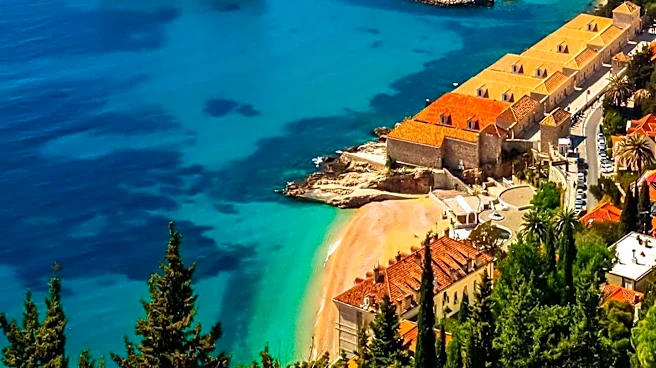
So, why would anyone choose to brave the crowds and high prices? For many, the answer is simple: reliability and convenience. Peak season almost guarantees the best possible weather for your chosen activities, whether that’s sunbathing on a Mediterranean beach or skiing down a powdery slope. For families, it’s often the only option, as it aligns with summer and winter school breaks. Beyond logistics, there’s an undeniable energy to visiting a place when it's buzzing with excitement. The atmosphere is festive, it's easier to meet other travelers, and you get to experience the destination in its full glory, just like you’ve seen in the travel brochures. If it's a once-in-a-lifetime trip and you want the quintessential experience without worrying about closures or unpredictable weather, peak season might be worth the investment.
The Smart Secret of Shoulder Season
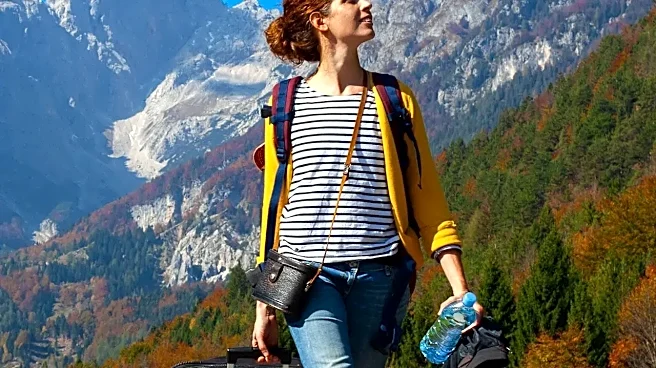
Shoulder season is the savvy traveler's best-kept secret. It’s the period just before or after a destination's peak season. In many parts of North America and Europe, this means spring (April-May) and fall (September-October). For a ski resort, it might be early December or late March. It's the sweet spot where you get many of the benefits of peak season with fewer of the drawbacks. The weather is often still very pleasant, attractions are generally still open, and the destination feels lively without being overwhelming. The name itself paints a picture: it’s the time of year that “shoulders” the main peak, offering a more balanced and often more enjoyable experience.
Why Travelers Love the Shoulder Season
The advantages of shoulder season are compelling, starting with cost. Flights and hotels can be significantly cheaper, sometimes by 20-40%, allowing your budget to stretch further. But the benefits go beyond your wallet. With fewer tourists, you'll spend less time waiting in lines and more time actually enjoying the sights. This can lead to a more relaxed and authentic experience, where locals may have more time for genuine interactions. The weather is often more comfortable, avoiding the extreme heat or cold of peak and off-seasons. For many, this combination of lower prices, smaller crowds, and pleasant conditions makes shoulder season the undisputed best time to travel.
How to Choose What's Right for You
Deciding between peak and shoulder season comes down to your personal priorities. If your schedule is inflexible (like being tied to school holidays) or if you want guaranteed perfect weather for a specific activity, peak season is a reliable choice. It delivers the classic, high-energy vacation experience. However, if you have flexibility and are looking for better value, fewer crowds, and a more relaxed pace, shoulder season is almost always the smarter move. Ask yourself what matters most: the vibrant buzz of a destination at its busiest, or the quiet satisfaction of having a little more space to yourself? Are you willing to pay a premium for predictability, or do you prefer to save money and enjoy a more laid-back trip? Your answer will point you to the perfect time to book.