







The Economy or Compact Car
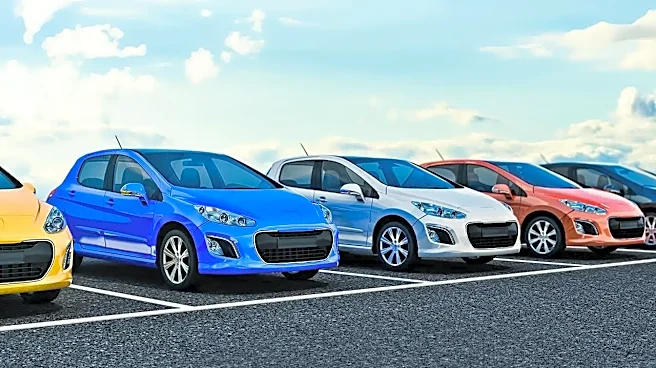
This is the go-to category for solo travelers, couples, and anyone on a strict budget. Think of cars like the Ford Fiesta or Hyundai Accent. Their primary advantages are cost and efficiency. Not only are they the cheapest to rent, but their excellent
gas mileage will save you money at the pump, especially on long-distance drives. Their small size makes them a dream for city driving, allowing you to navigate narrow streets and squeeze into tight parking spots with ease. However, the trade-offs are significant. Luggage space is minimal, often limited to a couple of carry-on bags. The back seat is tight for adults, and the engine might feel underpowered on steep mountain roads. This option is best for short trips with minimal luggage, where your primary focus is getting from A to B as affordably as possible.
The Mid-Size or Full-Size Sedan
The sedan is the workhorse of the rental world, offering a perfect balance of comfort, space, and value. Models like the Toyota Camry or Honda Accord are staples for a reason. They offer more legroom and a larger trunk than a compact car, comfortably accommodating small families or up to four adults with their luggage. Sedans typically provide a smoother, quieter ride on the highway compared to smaller cars and better fuel economy than an SUV. This makes them an excellent, versatile choice for business trips, weekend getaways, or vacations that involve a mix of city and highway driving. While they lack the all-terrain capability of an SUV, they provide security with an enclosed trunk that keeps your belongings out of sight. For most standard travel plans, a sedan is a reliable and cost-effective default.
The Sport Utility Vehicle (SUV)
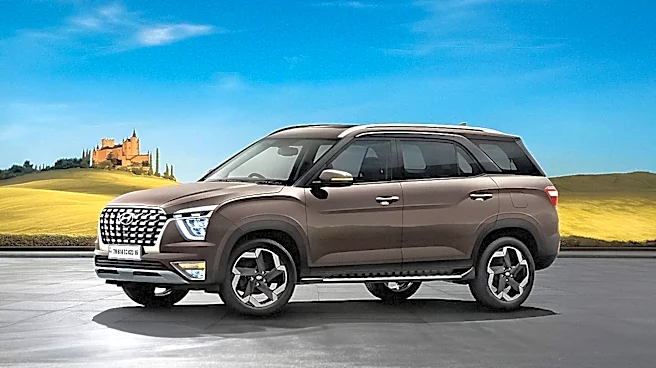
SUVs come in various sizes—compact, mid-size, and full-size—but they all share a few key traits: ample space, a higher driving position, and enhanced capability. If your group is larger than four, or if you're traveling with lots of gear like skis, golf clubs, or camping equipment, an SUV is often the best choice. Their generous cargo space and passenger room are a major advantage. Furthermore, many SUVs offer all-wheel drive (AWD) or four-wheel drive (4WD), providing better traction and peace of mind when navigating rough roads, gravel paths, or unpredictable weather like snow or heavy rain. This makes them ideal for trips to national parks or mountain destinations. The main downsides are cost; SUVs are generally more expensive to rent and less fuel-efficient than sedans.
The Minivan
For large families or groups, the minivan is the undisputed champion of space and convenience. Vehicles like the Chrysler Pacifica or Honda Odyssey are designed from the ground up for hauling people and their things in maximum comfort. With seating for seven or eight passengers, features like automatic sliding doors are a lifesaver in tight parking lots, and the sheer volume of cargo space is unmatched. Minivans often include family-friendly perks like rear-seat entertainment systems and extra USB ports to keep everyone happy on long journeys. While they may not win any style points, their practicality for a big family road trip is simply unbeatable, offering more interior room and easier access than even a large SUV.
The Specialty Car: Luxury, Convertible, or Sports Car
Sometimes a rental car is more than just transportation—it's part of the experience. If you're heading to a sunny coastal destination, a convertible can transform the drive into an unforgettable adventure. For a special occasion, wedding, or high-stakes business meeting, arriving in a luxury sedan from a brand like BMW or Mercedes-Benz makes a powerful statement. These vehicles prioritize comfort, performance, and the latest technology. While they come with a premium price tag and often require a larger deposit, they offer a driving experience that standard rentals can't match. This category is less about practicality and all about a specific desire: to enjoy the ride itself as a central part of your trip.