






The Brains: A Hub and an App
Every smart security system revolves around a central hub or base station. This device is the command center, wirelessly connecting all of your sensors and cameras. It's the component that processes a tripped sensor and decides what to do next, whether
that's sounding an alarm or sending an alert. Just as important is the mobile app. A modern system is useless without a user-friendly app that allows you to arm and disarm the system, view camera feeds, and receive real-time notifications from anywhere. Before you buy anything, check the app's reviews; a clunky app can make a great system feel frustrating to use.
The Perimeter: Door and Window Sensors
Your first line of defense is securing your home's most common entry points. Door and window sensors are the fundamental components for this job. These simple, often magnetic, two-part devices create a circuit that, when broken by a door or window opening, triggers an event. They let the system know the moment a potential intruder tries to gain access. While cameras see what happens, these sensors are what provide the initial, immediate alert of a breach. Placing them on all ground-floor doors and accessible windows is a crucial first step for any setup.
The Interior: Motion Sensors
While entry sensors guard the perimeter, motion sensors provide a vital second layer of protection inside your home. A single motion sensor can cover a large area like a living room or a long hallway, detecting movement using technologies like infrared energy. This makes them a cost-effective way to secure spaces where an intruder might go after getting past an entry point. Many modern motion sensors are also “pet-immune,” meaning they can be calibrated to ignore the movement of your furry friends below a certain weight, reducing the chance of false alarms.
The Eyes: Security Cameras
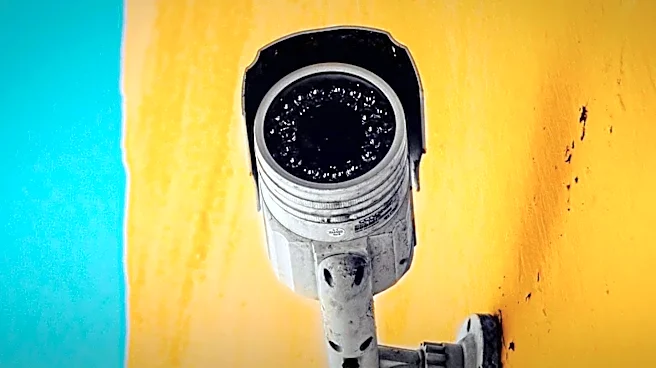
Once considered a premium add-on, security cameras are now a core part of most systems. They provide visual verification of what's happening, whether you're checking on a notification or just want to see what's going on at home. The most essential types are doorbell cameras and outdoor cameras. A doorbell camera lets you see and speak with anyone at your front door, which is where most visitors (wanted or unwanted) appear. Outdoor cameras act as a visible deterrent and record activity around your property. High-definition video, night vision, and reliable motion detection are key features to look for.
The Voice: A Loud Siren
In the age of silent alerts sent to your phone, it’s easy to forget the simple power of a loud noise. A high-decibel siren is a critical component that does two things exceptionally well: it can startle and scare off an intruder who has entered your home, and it alerts your neighbors that something is wrong. Many base stations have a siren built-in, but some systems allow for additional, even louder, external sirens. It's a low-tech concept, but an effective siren can be the difference between a quick retreat and a prolonged intrusion.
The Help: Professional Monitoring
A smart security system can be self-monitored, where you are solely responsible for responding to alerts and contacting emergency services. However, for a system to be truly comprehensive, most experts recommend 24/7 professional monitoring. With this service, alerts are sent to a dedicated monitoring center where trained staff can verify the emergency and dispatch police, fire, or medical services on your behalf. This is crucial if you are asleep, in a meeting, or otherwise unable to respond to an alert yourself. Many systems offer flexible, no-contract monitoring options, making it more accessible than ever.