






Myth: You need appliances for your own mini-kitchen.
The fantasy of whipping up late-night snacks in your personal, fully-equipped kitchenette is a powerful one. Many students imagine needing a toaster, blender, hot plate, and maybe even a panini press. The reality is that most dorms have strict rules against
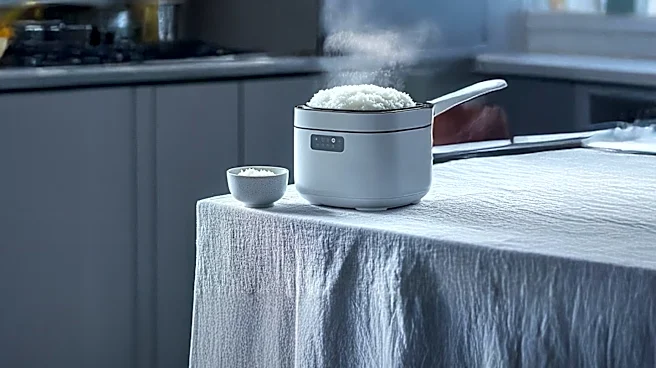
heat-generating appliances due to fire safety. Before you buy anything, check your school's housing policies for a list of prohibited items. Beyond that, most residence halls have communal kitchens with a shared microwave and stove. Coordinating with your roommate is also key; you absolutely do not need two mini-fridges or two coffee makers taking up precious space.
Myth: You must bring your entire wardrobe for all four seasons.
It feels practical to pack for every possible weather scenario, from August heatwaves to February blizzards. However, dorm closets are notoriously tiny. Attempting to stuff your entire wardrobe into a space you're sharing is a recipe for clutter. A smarter strategy is to pack seasonally. Bring clothes for the first few months, and plan to swap them out during a visit home for Thanksgiving or winter break. You'll also accumulate a surprising number of free t-shirts from orientation, clubs, and campus events, which will take up more space than you think.
Myth: You need to stock up on a year's worth of school supplies.
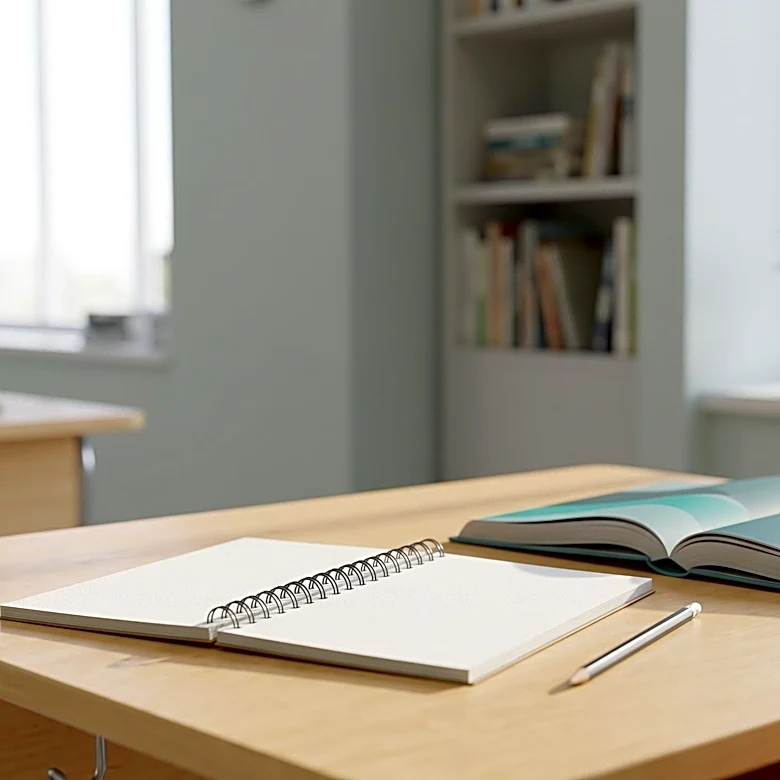
Walking through the back-to-school aisles can trigger an urge to buy every type of notebook, binder, and pen set available. Resist this impulse. Many professors will specify their requirements on the syllabus during the first week of class, and you might find that most of your notes are taken digitally anyway. Start with the basics: a single notebook and a few pens or a laptop for the first few days. You can easily purchase any specialized supplies you need later at the campus bookstore or a local shop. The same logic applies to textbooks; wait for your syllabus before buying.
Myth: Bring lots of decor to make it feel like home instantly.
While personalizing your space is important, going overboard with decorations before you even move in is a common mistake. Those perfectly curated dorm rooms on social media often hide the reality of limited space. Bringing excessive decorative pillows, bulky items, and knick-knacks creates clutter and can make a small room feel even more cramped. It's better to start with a few meaningful items, like a favorite blanket or some photos. You can always add more decor over time as you figure out what you truly want and how much space you have to work with.
Myth: You need your personal printer for all those papers.
In an era of digital submissions, the need for a personal printer has dwindled significantly. These devices are often bulky, take up valuable desk space, and require a steady supply of expensive ink and paper. Nearly every college campus offers free or low-cost printing services at libraries, computer labs, and even within some residence halls. For the handful of times you'll need a hard copy, using campus facilities is far more efficient and economical than maintaining your own printer.
Myth: You should pack all your books, movies, and hobbies.
Leaving behind your favorite book collection or box sets can feel like leaving a part of yourself at home. But shelf space is a high-value commodity in a dorm room. Your university library offers access to an enormous collection of books, movies, and academic resources. Plus, streaming services have largely replaced the need for physical media. Unless an item is essential for a hobby you plan to continue daily, consider if it's worth the space it will occupy. You can always bring more items from home after you've settled in and assessed your storage situation.
Myth: It's better to bring extra furniture for comfort and storage.
It might seem like a good idea to bring a comfy armchair, a small bookshelf, or an extra dresser to make your room more functional. However, most dorms come furnished with all the essentials: a bed, desk, chair, and some form of a wardrobe or dresser. Not only do many colleges prohibit students from bringing large furniture items, but there's often no room for them anyway. Standard double-occupancy dorms can be as small as 130 square feet, meaning every inch counts. Focus on clever storage solutions like under-bed bins or over-the-door organizers instead.