





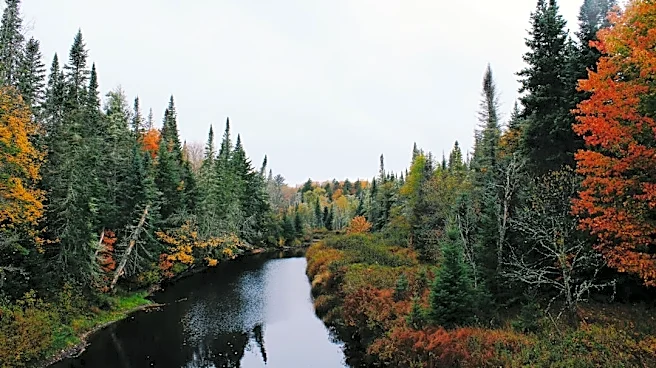
Defining the ‘Shoulder Season’
Shoulder season is the period of time just before or after a destination's peak tourist season. Think of the travel year as having a high point (the peak), a low point (the off-season), and the transitional periods that “shoulder” the peak. For many destinations
in the Northern Hemisphere, this typically means spring (April to early June) and autumn (September to October). However, the exact timing is different everywhere. For a ski resort, it might be the weeks right after the holiday rush or just before the season ends. For a Caribbean island, it could be the period after spring break but before the summer heat. It’s not the off-season, when some attractions might be closed, but a balanced window where the destination is still very much alive.
The Biggest Perk: Fewer Crowds
The most celebrated benefit of shoulder season travel is the noticeable lack of crowds. Imagine exploring Rome’s historic sites without being packed elbow-to-elbow, or finding a spot on a scenic beach with ease. During these periods, popular museums, national parks, and city streets are far less congested. This means less time waiting in lines and more time actually enjoying the experience. For many, this alone transforms a trip from stressful to serene, allowing for a more personal and relaxed connection with the place you’re visiting. The entire pace feels gentler, and you can linger without feeling rushed.
Significant Cost Savings
Your travel budget stretches much further during shoulder season. With lower demand, airlines, hotels, and even tour operators often reduce their prices significantly. Flights and accommodations that seem out of reach during July or August can become surprisingly affordable in May or September. This financial relief can allow you to extend your stay, upgrade your hotel room, or simply save money. Experienced travelers know that shifting their travel dates by just a few weeks can unlock tremendous value without sacrificing the quality of their trip.
Often, It’s the Best Weather
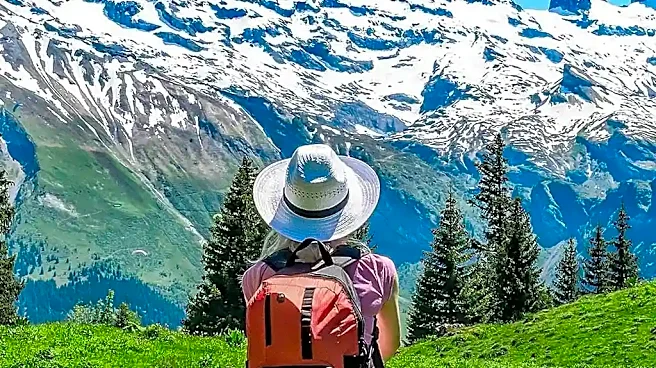
While peak season often coincides with the most extreme weather—be it scorching summer heat or deep winter cold—shoulder season frequently offers the most pleasant temperatures. A European city break is far more comfortable for walking in the mild warmth of May or September than in the sweltering heat of August. This Goldilocks-style weather makes outdoor activities like hiking, sightseeing, and al fresco dining more enjoyable. You’re less likely to be planning your day around escaping the elements and more likely to be comfortably immersed in your surroundings.
A More Authentic Local Experience
When a destination isn't overwhelmed by peak tourism, the entire atmosphere can change. Locals are often more relaxed, and service at restaurants and shops can feel more personal and less rushed. This creates more opportunities for genuine interactions. You might also discover unique local festivals or cultural events that happen outside the main tourist rush. By avoiding the peak season, you get a glimpse of a place that feels more like its everyday self, rather than a version of itself that’s strained by overtourism.
How to Plan a Shoulder Season Trip
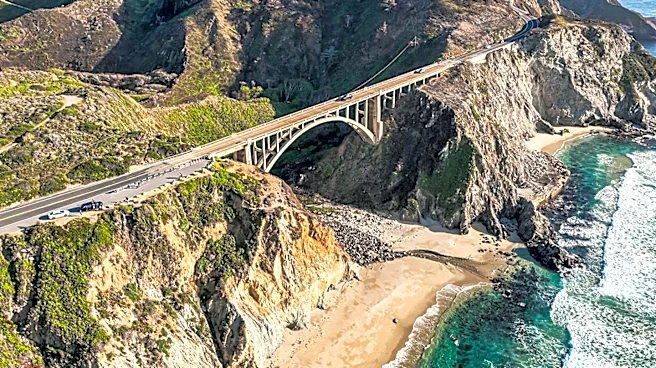
Ready to give it a try? The first step is research. Since the timing varies, identify the peak season for your desired destination and look at the months bordering it. For Europe, that’s generally spring and fall. For U.S. National Parks, late spring and early fall are fantastic. Always double-check that major attractions are still open, though most are. Be prepared for slightly less predictable weather by packing layers. And while it’s quieter, it’s still wise to book popular hotels or tours in advance, as other savvy travelers will be taking advantage of the season, too.