




Mistake 1: Ignoring Layering Proportions
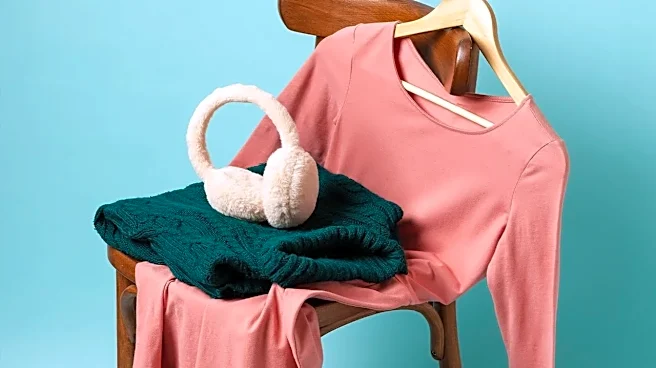
The most common fall fashion challenge is mastering layers for fluctuating temperatures. A frequent mistake is creating a bulky or shapeless silhouette by pairing items with mismatched proportions. Wearing a long, bulky sweater under a cropped jacket,
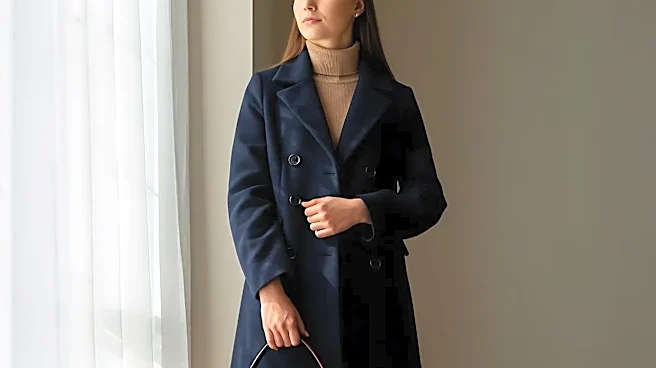
for example, can look clumsy. The key to effective layering is starting with the lightest, most fitted piece closest to your body and working your way out. A good rule of thumb is the three-layer formula: a thin base layer (like a fitted turtleneck), a mid-layer for warmth (like a cardigan or vest), and a longer outer layer (like a blazer or trench coat) to pull it all together. This ensures that if you need to remove a layer, the outfit underneath still looks intentional and polished.
Mistake 2: Drowning in a Sea of Neutrals
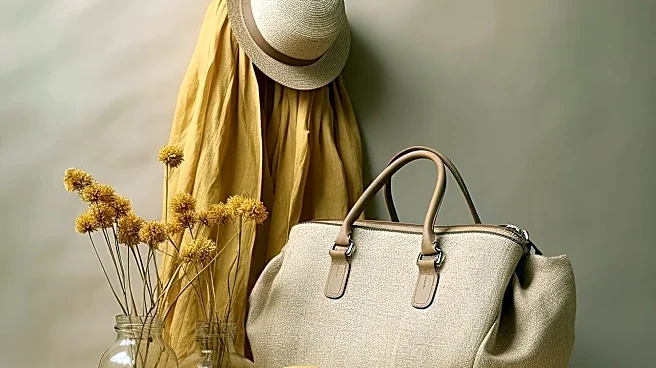
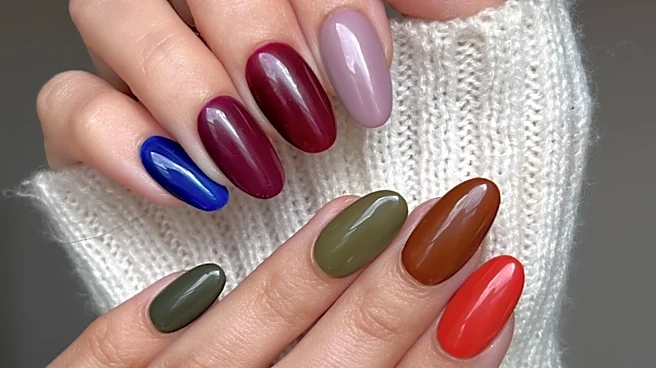
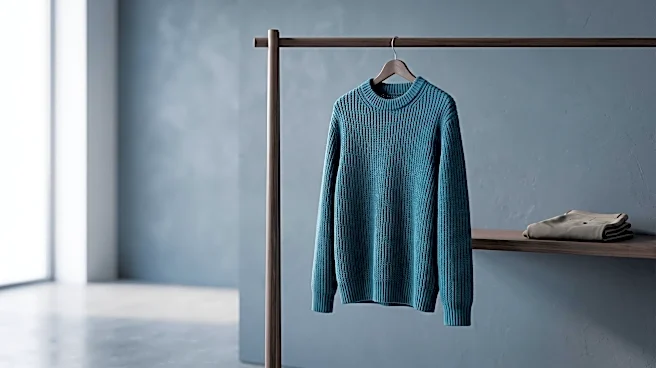
When the leaves turn, it’s tempting to default to a wardrobe of only black, brown, and gray. While these earthy tones are a fall staple, relying on them exclusively can make your style feel monotonous. A more sophisticated approach is to use these neutrals as a base and introduce pops of seasonal color. For 2026, rich hues like moody maroon, moss green, and cherry red are trending. You don’t need a head-to-toe statement; a single piece, like a cherry red sweater, a forest green coat, or a mustard yellow scarf, can instantly elevate an entire outfit. Combining these richer colors with timeless neutrals like camel or cream creates a balanced and modern look.
Mistake 3: Using the Wrong Fabrics
Wearing summer-weight fabrics like linen or thin cotton on a chilly autumn day is a recipe for discomfort. Conversely, breaking out the heavy-duty wool and fleece too early can leave you overheating by the afternoon. Transitional weather calls for transitional fabrics. Look for materials that offer warmth and texture without being overly insulating. Corduroy, flannel, merino wool, cashmere, and leather are all excellent choices. These fabrics are perfect for layering and add a cozy, seasonal feel to your look. Mixing different textures—like a satin skirt with a chunky knit sweater or a leather jacket over a denim shirt—also adds visual depth and makes an outfit far more interesting.
Mistake 4: Unbalanced Silhouettes
An easy trap to fall into is pairing a loose, bulky item on top with an equally loose item on the bottom. An oversized sweater combined with wide-leg pants, for instance, can swallow your shape entirely, creating a frumpy effect. The secret to a flattering silhouette is balance. If you’re wearing something voluminous on top, opt for a more fitted bottom, like skinny or straight-leg jeans. Conversely, if you’re wearing wide-leg trousers or a flowing skirt, pair it with a more tailored or cropped top. This simple rule of balancing proportions ensures your outfit has structure and shape, no matter how cozy it is.
Mistake 5: Forgetting About Transitional Footwear
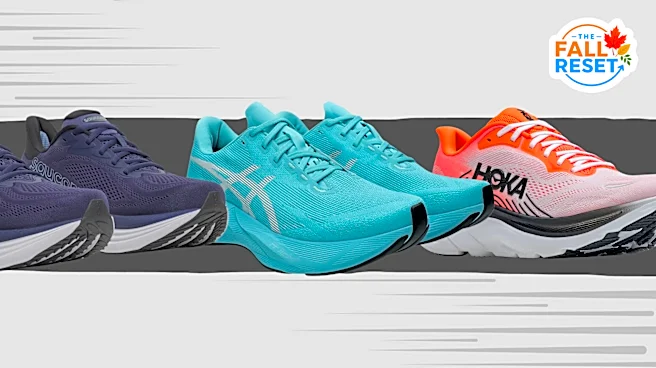
Footwear can make or break a fall outfit. Many people either keep wearing their summer sandals for too long or jump straight into heavy winter boots at the first sign of a breeze. The most stylish solution lies in between. This is the season for ankle boots, loafers, ballet flats, and chic sneakers. These options provide more coverage and structure than summer shoes but aren't as heavy as winter gear. Ankle boots work with everything from dark-wash jeans to midi dresses, while loafers add a polished touch to both casual and work-appropriate looks. Choosing the right transitional shoe completes your outfit and grounds it firmly in the season.