





The Official Diary of Congress
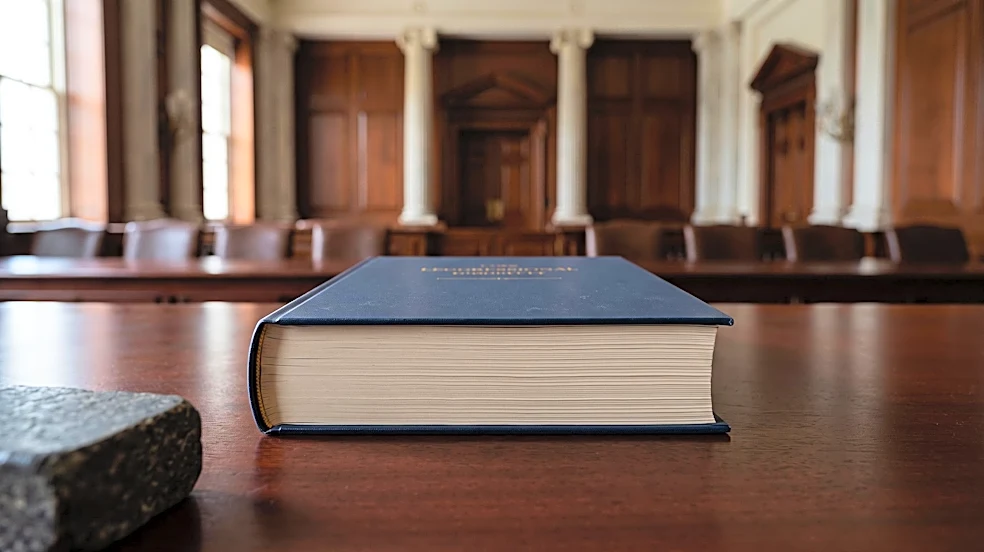
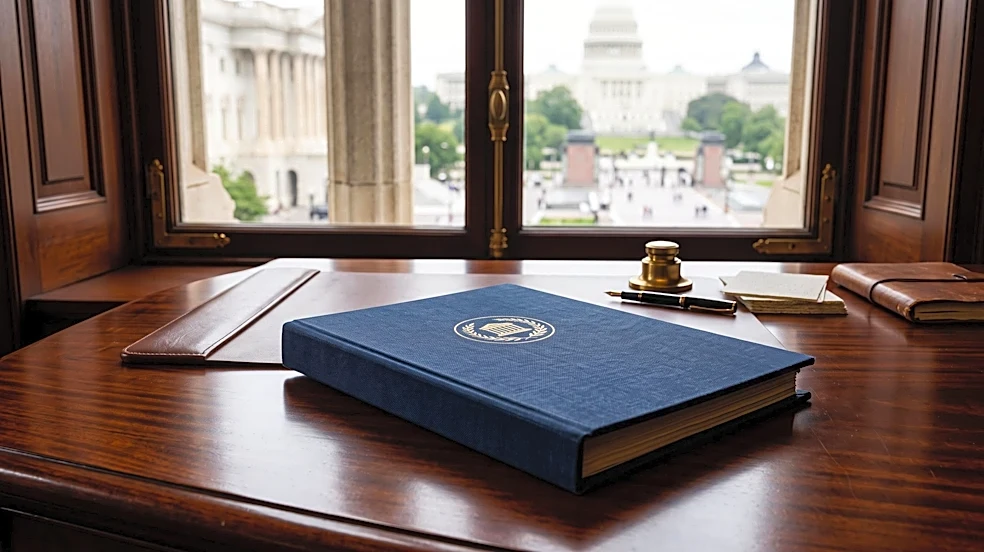
At its core, the Congressional Record is the official, substantially verbatim account of the proceedings and debates of the United States Congress. Published daily by the Government Publishing Office (GPO) whenever Congress is in session, it’s the primary source for understanding the floor activities of the House and Senate. Think of it as the minutes of the nation's most important meeting. First published in 1873, it captures everything from heated debates on landmark legislation to procedural votes and messages from the President. While it aims to be a faithful transcript, it’s not always a perfect word-for-word account, a nuance that adds a fascinating layer to its role.
Breaking Down the Four Sections
Each daily issue of the Congressional Record is split into four distinct
parts. The 'House Section' and 'Senate Section' document the proceedings of each chamber, respectively. This is where you'll find the text of speeches, debates on bills, and records of votes. Then there's the 'Extensions of Remarks'. This section allows members, primarily from the House, to insert additional materials not actually spoken on the floor, such as tributes, articles, or longer statements they wish to have on the record. Finally, the 'Daily Digest' serves as a handy summary and table of contents, outlining the day's floor and committee activities, measures passed, and what’s scheduled for the next session.
The Art of the 'Revise and Extend'
One of the most misunderstood aspects of the Record is that it's not always a pure transcript. Members of Congress have the privilege to 'revise and extend' their remarks. This means they can clean up grammar, clarify a point, or even insert remarks that were never actually spoken on the floor. While rules prevent altering the substance of a debate, this practice has led to historical quirks, like a speech appearing in the Record from a congressman who had tragically passed away two days earlier, having submitted the text in advance. In the Senate, undelivered remarks are helpfully marked with a bullet point, but the practice highlights that the Record is both a report and a curated historical document.
More Than Just Speeches and Bills
While its main purpose is legislative, the Congressional Record is also a surprisingly human document. Sifting through its pages, you can find more than just legal jargon. Lawmakers use the 'Extensions of Remarks' to honor local heroes, celebrate community achievements, memorialize constituents, and sometimes even submit poems or recipes. These entries provide a unique, ground-level snapshot of American life and culture as seen through the eyes of its representatives. It serves as a repository for the official business of the nation and the personal tributes that connect Washington, D.C., to the rest of the country.
How to Read It Yourself
In the digital age, the Congressional Record is more accessible than ever. The primary and most user-friendly portal is Congress.gov, the official website for federal legislative information maintained by the Library of Congress. There, you can browse issues by date, search for specific topics, or track a member's activity. The Government Publishing Office's own site, GovInfo, also provides free public access to both daily and bound editions of the Record. Whether you're a student, a researcher, or just a curious citizen, these resources allow you to see the first draft of American history as it's being written, directly from the source.