




Shaping the Entire Federal Judiciary
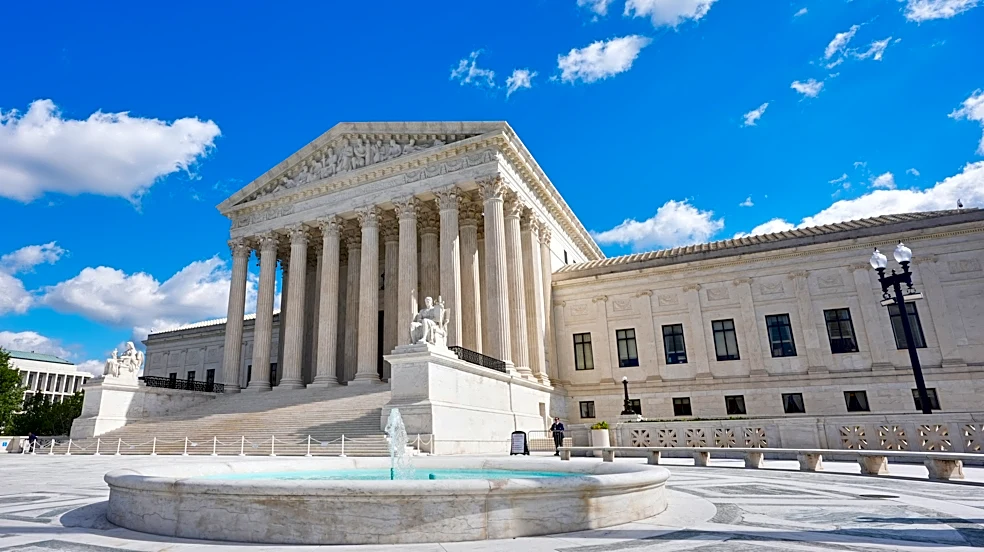
The most visible power of the Senate Judiciary Committee is its role in the confirmation of Supreme Court justices. When a president nominates a candidate, the nomination first goes to the committee for a rigorous vetting process. This includes background checks, collecting records, and holding public hearings where senators question the nominee on their qualifications, judicial philosophy, and past rulings. The committee then votes on whether to recommend the nominee to the full Senate. But their influence extends far beyond the highest court. The committee considers all federal judicial nominations, including those for the powerful U.S. Courts of Appeals and the U.S. District Courts. These lifetime appointments interpret federal laws and rule
on everything from civil rights to corporate mergers, meaning the committee’s decisions have a profound, decades-long impact on the nation's legal landscape.
The Power of Impeachment
The authority to impeach federal officials—including a president, vice president, or judge—is one of the most significant powers of Congress, and the Judiciary Committees are central to the process. The House Judiciary Committee is typically tasked with investigating alleged wrongdoing, holding hearings, and, if deemed necessary, drafting and voting on formal charges known as articles of impeachment. This has been the case in the impeachments of past presidents. If the full House of Representatives votes to impeach, the process moves to the Senate for a trial. While the entire Senate conducts the trial, the Senate Judiciary Committee's expertise in legal and constitutional matters gives its members an influential voice in the proceedings.
Overseeing the Department of Justice
Both the House and Senate Judiciary Committees serve as the primary watchdogs for the U.S. Department of Justice (DOJ). This oversight extends to all the powerful agencies under its umbrella, including the Federal Bureau of Investigation (FBI), the Drug Enforcement Administration (DEA), and the Bureau of Alcohol, Tobacco, Firearms and Explosives (ATF). The committees can launch investigations into agency conduct, hold hearings where the Attorney General and other officials must testify, and demand documents to ensure these powerful law enforcement bodies are operating without political bias and upholding the law. They also oversee parts of the Department of Homeland Security (DHS), making them crucial to monitoring national security and immigration enforcement.
Writing the Nation’s Laws
Beyond nominations and oversight, the Judiciary Committees have vast legislative jurisdiction, meaning they write and consider bills that define major aspects of American life. This includes federal criminal laws, from sentencing guidelines to what constitutes a federal crime. They also control legislation on immigration and naturalization, civil liberties, and constitutional amendments. Their authority extends deep into the economy, as they handle laws governing bankruptcy, patents, copyrights, and trademarks—the legal framework for innovation and commerce. Furthermore, they are responsible for antitrust laws, which are designed to prevent monopolies and protect competition in business.