
The Official 'Editing Session' for a Bill
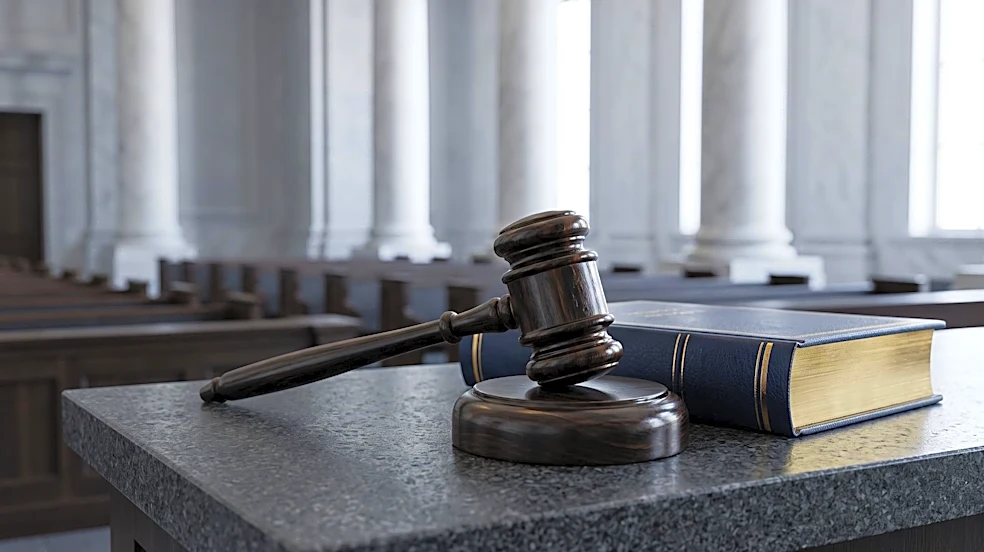
At its core, a committee markup is a formal session where a congressional committee meticulously goes through the text of a piece of legislation before it can be voted on by the full House or Senate. Think
of it like a group editing session for the nation’s laws. After a bill is introduced and public hearings have been held to gather testimony, the committee convenes to debate the bill, line by line or section by section. This process is called a 'markup' because members are literally marking up the legislative text with proposed changes. The ultimate goal is to decide whether to recommend the bill to the entire chamber and in what final form. While thousands of bills are introduced each session, only a small fraction ever make it to a markup, which is the first major sign a bill is being taken seriously.
The Key Players and Their Goals
The room is filled with the members of the committee—a specialized group of lawmakers from both parties who have expertise in the bill's subject, like agriculture or finance. The committee chair, a member of the majority party, presides over the session, controlling the agenda and the flow of debate. The ranking member, the most senior member from the minority party, leads their party's strategy. Their goal during the markup is to shape the bill to their liking. Members offer amendments, which are proposed changes to the bill's text. These can be friendly amendments meant to fix a typo or clarify language, or they can be strategic 'poison pills' designed to make the bill so unappealing that even its supporters might abandon it. It’s a tactical battle where every word matters.
How It Works: Amendments and Votes
During a markup, the bill is open for amendment. Any member of the committee can propose a change, from altering a single word to offering an 'amendment in the nature of a substitute,' which replaces the entire text of the bill with a new version. Each proposed amendment is debated, often under a 'five-minute rule' where members from each side speak for or against the change. After debate, the committee votes on that specific amendment. This process is repeated for every proposed change, which can sometimes take hours or even days for complex legislation. Interestingly, the committee doesn't technically rewrite the bill itself. Instead, it votes on a package of recommended amendments that will be sent to the full House or Senate along with the original bill. Once all amendments have been considered, the committee takes a final, crucial vote on whether to 'report the bill favorably' to the floor. A majority of the committee must be physically present for this final vote.
Why Markups Are Where the Real Action Is
While C-SPAN often focuses on grand speeches on the House or Senate floor, the committee markup is where much of the unglamorous but essential work of legislating happens. This is the primary stage where a bill's substance, scope, and political viability are hammered out. A bill can be completely transformed in markup; it can be strengthened with bipartisan compromises or gutted by hostile amendments. It is the key checkpoint for quality control, helping ensure poorly written or unworkable laws don't advance. Many bills die quietly in committee, never even reaching the markup stage. But for those that do, the markup is a gantlet that tests the bill's support and reveals the political fault lines surrounding it. Successfully navigating a markup is a huge victory for a bill's sponsors, while a chaotic or failed one can doom its chances entirely.