


The Constitutional Dividing Line
The foundation for this entire process comes from a short but powerful section of the U.S. Constitution. Article II, Section 2, Clause 2 grants the president the power to nominate and, 'by and with the Advice and Consent of the Senate,' appoint major officials. This created a shared responsibility. The president chooses their team, but the Senate gets the final say on whether those nominees are fit to serve in powerful roles. This applies to treaties as well as people, ensuring the president doesn't have unilateral power over foreign policy or the leadership of the government. The framers designed this friction on purpose to prevent any single branch from becoming too dominant.
Who Faces the Confirmation Gauntlet?
The list of jobs requiring Senate confirmation, known as PAS positions
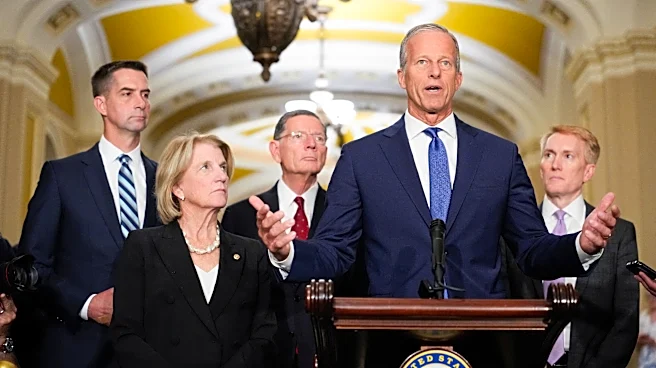
(Presidential Appointments requiring Senate confirmation), covers the most senior leaders in the executive and judicial branches. There are over 1,200 such roles. This includes the 15 Cabinet secretaries who head major departments like State, Defense, and Treasury. It also includes their top deputies—undersecretaries and assistant secretaries who manage sprawling policy areas. All federal judges, from district courts up to the Supreme Court, must be confirmed, as their lifetime appointments have long-lasting impact. Rounding out the list are U.S. ambassadors, U.S. Attorneys who prosecute federal crimes, and the heads of independent agencies like the Environmental Protection Agency (EPA) and the Securities and Exchange Commission (SEC). Before a confirmation vote, nominees undergo extensive background checks and face public questioning in Senate committee hearings.
The Inner Circle: Who Is Exempt?
While Cabinet secretaries face intense scrutiny, a president's most immediate advisors do not. The vast majority of positions in the White House Office are exempt from Senate confirmation. This includes some of the most influential people in Washington, such as the White House Chief of Staff, the National Security Advisor, the Press Secretary, and various policy advisors and special assistants. These roles are considered personal staff to the president, appointed to provide direct counsel and support. The logic is that a president needs to be able to hire a trusted inner circle without legislative interference. These are 'PA' (Presidential Appointment) positions, and there are several hundred of them. While they wield immense influence, their power flows directly from the president, not from a statute that gives them authority over a federal department.
Why This Distinction Is Everything
The difference between a confirmed Cabinet secretary and an unconfirmed White House advisor is about more than just a Senate vote; it’s about accountability. A Secretary of Defense, for instance, runs a department created by Congress, spends money appropriated by Congress, and is required to testify before Congress. Their power is based in law. In contrast, the White House Chief of Staff is accountable only to the president. This creates a natural tension. White House staffers are focused on executing the president's political and policy agenda, while Cabinet secretaries must also manage their departments and answer to lawmakers. This divide ensures that while the president has loyal advisors, the people running the government's machinery have been vetted by and remain accountable to the legislative branch.