







The Power Behind the Pentagon's Purse
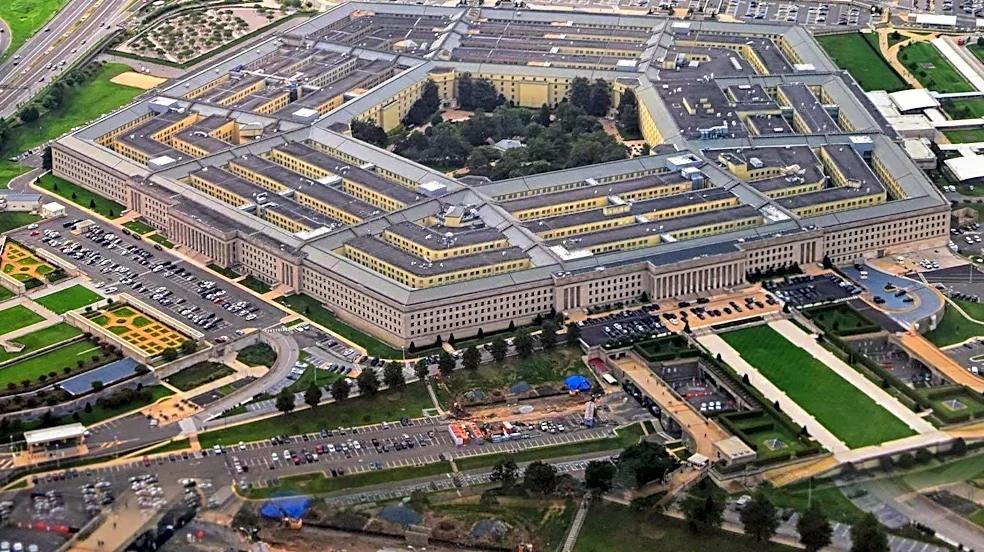
In Washington, power often follows the money. The House and Senate Armed Services Committees (known as the HASC and SASC) are the primary gatekeepers for the entire defense budget. While the Appropriations Committees are the ones who actually cut the checks, nothing can be funded without first being authorized by the Armed Services Committees. This authorization process is where the fundamental decisions are made. The committees determine how much can be spent on everything from the number of troops and their pay raises to the development of next-generation fighter jets and naval ships. This gives them immense leverage over the Department of Defense (DoD), essentially setting the policy and spending priorities for the nation's military.
The 'Must-Pass' Bill That Shapes Everything
The primary
vehicle for this power is the National Defense Authorization Act, or NDAA. For over 60 consecutive years, Congress has passed an NDAA, making it one of the most reliable and significant pieces of legislation. The bill is a massive, comprehensive package that covers the breadth of DoD operations, as well as the national security and nuclear weapons programs within the Department of Energy. Because it is considered a 'must-pass' bill to ensure the military continues to function, it often becomes a vehicle for a wide range of policies. Lawmakers attach amendments on everything from military healthcare and family benefits to cybersecurity and broader foreign policy initiatives, knowing the bill is almost guaranteed to become law.
Watchdogs with Subpoena Power
Beyond budgeting, the committees serve a crucial oversight function, acting as Congress's watchdogs over the vast defense establishment. They have the authority to hold hearings, launch investigations, and compel testimony from generals, admirals, and top civilian defense officials. This oversight ensures accountability, scrutinizing everything from weapons program cost overruns and operational failures to the living conditions of service members and the implementation of military justice. This public and private questioning forces the Pentagon to justify its decisions and helps Congress ensure that the military is operating in a way that is consistent with the law and national interests.
Shaping Military Leadership
The Senate Armed Services Committee has an additional, exclusive power derived from the Constitution: providing 'advice and consent' on presidential nominations. Every senior military promotion, from a one-star general or admiral upwards, must be confirmed by the SASC before being approved by the full Senate. This includes the Chairman of the Joint Chiefs of Staff and the leaders of major combatant commands. The committee also vets and confirms key civilian leaders, such as the Secretary of Defense and the secretaries of the Army, Navy, and Air Force. This confirmation process gives the Senate committee significant influence over the character and quality of the military's top brass and civilian leadership.
A Surprisingly Broad Reach
The committees' jurisdiction extends far beyond traditional military matters. They oversee policy on military research and development, benefits and pay for service members, and the military healthcare system (TRICARE). Their reach also includes national security aspects of the Department of Energy, which is responsible for the nation's nuclear weapons stockpile. Furthermore, they have a say in matters like the education of military dependents in overseas schools, the maintenance of military cemeteries, and the management of strategic materials necessary for national defense. This expansive portfolio means their decisions affect not just warfighting, but military families, veterans, and even energy and technology policy.