



In the theater of American lawmaking, one of the most powerful figures is someone you’ve likely never heard of and definitely never voted for. The Senate Parliamentarian, a non-partisan referee, wields immense influence from the sidelines.
The Senate's Official Rule-Keeper
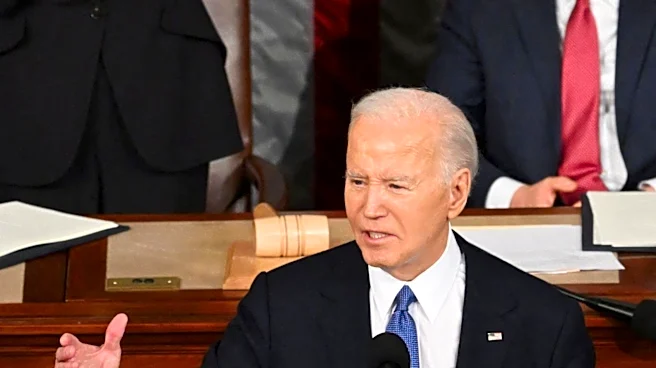
The Senate Parliamentarian is the chamber's expert on rules and procedures. Appointed by the Senate Majority Leader, this individual and their staff provide impartial advice on how to interpret the complex web of Senate rules, precedents, and statutes. The current parliamentarian, Elizabeth MacDonough, has held the post since 2012, serving under both Republican and Democratic majorities, highlighting the non-partisan nature of the role. Seated on the Senate dais during proceedings, the parliamentarian is a whisper
in the ear of the presiding officer, offering guidance on everything from the proper wording of a motion to the correct way to handle a procedural challenge.
What Is a 'Point of Order'?
Imagine a senator on the floor believing a rule is about to be broken. They can stand up and declare a "point of order." This is essentially a formal objection, a legislative flag on the play. The senator will state that a pending action—be it a bill, an amendment, or even a line in a bill—violates a specific rule of the Senate. This action forces the presiding officer, who is typically the Vice President or a designated senator, to stop the proceedings and make a ruling: Is the action in question actually against the rules? This mechanism ensures that the chamber’s established procedures are followed and gives the minority party a tool to voice grievances and enforce the rulebook.
How a Ruling Is Made
When a point of order is raised, the presiding officer turns to the parliamentarian for advice. The parliamentarian, drawing on an encyclopedic knowledge of Senate history and thousands of pages of precedents, provides an expert opinion on whether the point of order is valid. For common situations, this advice may be pre-scripted, but for novel challenges, the parliamentarian advises in real-time. The presiding officer then issues a formal ruling, either "sustaining" the point of order (agreeing with the objection) or "overruling" it (disagreeing). If an objection is sustained, the offending action or language is typically removed from consideration.
The High-Stakes Game: Budget Reconciliation
The parliamentarian's role becomes most critical during "budget reconciliation." This special process allows certain spending and tax bills to pass the Senate with a simple majority of 51 votes, bypassing the usual 60-vote threshold required to break a filibuster. However, this powerful tool is limited by the "Byrd Rule," named for the late Senator Robert Byrd. The Byrd Rule dictates that provisions in a reconciliation bill must be strictly budgetary. Anything deemed "extraneous"—meaning its budgetary impact is merely incidental to its policy goal—is subject to a point of order. Here, the parliamentarian's advice on what qualifies as budgetary can make or break a party's signature legislative priorities.
Is the Advice Actually Binding?
Here’s the fascinating part: the parliamentarian’s ruling is only advice. The ultimate decision rests with the presiding officer, who has the authority to ignore the parliamentarian. Historically, this has been extremely rare. Vice President Nelson Rockefeller did so in 1975, causing a major controversy. The presiding officer almost always follows the parliamentarian's guidance because defying it is seen as a partisan power grab that undermines the institution's traditions. While senators can technically vote to overturn the presiding officer's ruling, this requires 60 votes in many cases, making the parliamentarian's initial advice the de facto final word.