
The Architects of the Financial World
Imagine a handful of lawmakers in a room designing the blueprint for America’s financial system. That’s essentially the job of the House Committee on Financial Services and the Senate Committee on Banking,
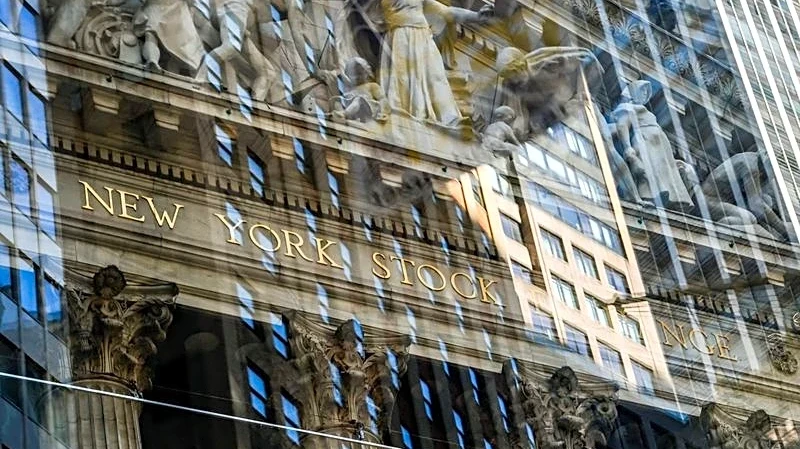
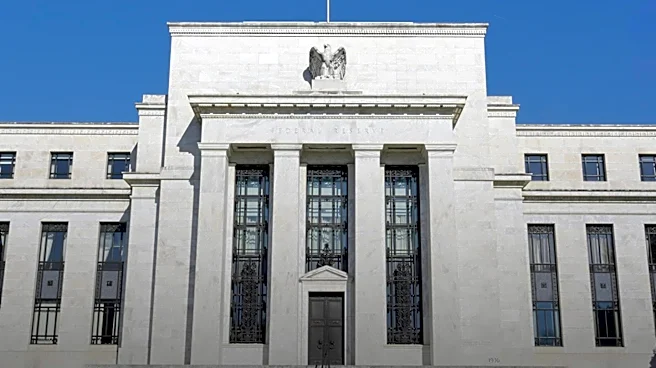
Housing, and Urban Affairs. These are not just any committees; they are considered among the most powerful in Congress because their jurisdiction covers the circulatory system of the economy: money and credit. They write the rules and provide oversight for almost every financial transaction you can think of. This includes banks and credit unions, deposit insurance that protects your savings, the stock market, and even the Federal Reserve, which manages the nation's monetary policy. Their domain is enormous, covering everything from how mortgages are issued to the complex regulations that govern Wall Street investment banks.
The House's Financial Gatekeeper
The House Committee on Financial Services holds the keys to a broad kingdom. Its official jurisdiction includes banks, insurance, housing, and capital markets. This means it crafts legislation that determines how your local bank operates, the rules for getting a home loan, and the stability of the insurance industry. The committee also oversees the agencies that enforce these rules, like the Federal Deposit Insurance Corporation (FDIC), the Securities and Exchange Commission (SEC), and the Department of Housing and Urban Development (HUD). When you hear about debates over consumer financial protection, data privacy in banking, or efforts to combat terrorist financing, this committee is at the center of the action. It holds the power to call CEOs of major banks and heads of regulatory agencies to testify, demanding accountability for their actions.
The Senate's Economic Engine
Across the Capitol, the Senate Committee on Banking, Housing, and Urban Affairs has a similarly massive portfolio. Its responsibilities largely mirror the House's, covering banks, housing, and economic policy. However, it has some unique and powerful roles. A crucial one is the Senate’s constitutional duty of 'advice and consent'. This committee vets and holds confirmation hearings for many of the most important economic appointments made by the President, including the Chair of the Federal Reserve, members of the SEC, and the Secretary of HUD. Furthermore, its mandate explicitly includes urban development and mass transit, giving it sway over how cities grow and how millions of Americans commute. This dual role of legislating and confirming appointments gives the Senate committee a profound, long-term influence on the direction of American economic and urban policy.
From Wall Street to Your Street
It’s easy to see this as an abstract power struggle inside the Beltway, but the decisions made in these committee rooms have a direct line to your wallet. The rules they set for the Consumer Financial Protection Bureau (CFPB) can change the terms of your credit card agreement or the process for disputing a fraudulent charge. Their oversight of housing policy influences the availability and affordability of mortgages and rental assistance programs. When they debate bills related to deposit insurance, they are talking about the safety of the money in your checking and savings accounts. Their work to stabilize the economy and regulate markets is designed to prevent financial crises that could threaten jobs and retirement savings. In essence, these committees are the primary arbiters of the rules that determine financial fairness, stability, and access for all Americans.