





The Two-Thirds Mandate
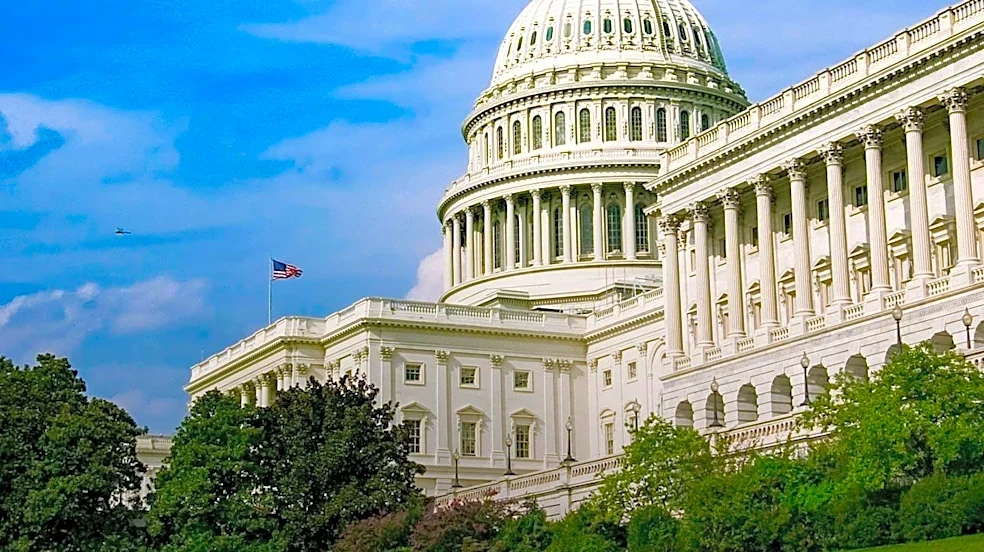
The power to expel a member comes directly from Article I, Section 5, clause 2 of the Constitution. It states that each chamber of Congress—the House of Representatives and the Senate—may, 'with the Concurrence of two thirds, expel a Member'. This isn't a suggestion; it's a hard-and-fast rule. A simple majority isn't enough. To forcibly remove a duly elected lawmaker, a supermajority of their peers present and voting must agree. This power is absolute to each chamber, meaning the House cannot expel a Senator, and the Senate cannot expel a Representative. The process typically starts in the respective chamber's ethics committee, which investigates alleged misconduct and can recommend expulsion to the full body for a vote.
Why the Constitutional Bar Is So High
The framers of the Constitution
set the two-thirds threshold intentionally. The primary reason was to prevent a powerful majority party from using expulsion as a political weapon to simply purge its opponents. By requiring a broad consensus, it ensures that expulsion is reserved for offenses that are so egregious they transcend partisan politics. It also honors the will of the voters. Removing a member effectively overturns the results of an election, and doing so lightly would undermine the very foundation of a representative democracy. For this reason, Congress has historically been reluctant to act, especially if the electorate knew of the alleged misconduct and voted for the member anyway.
A Short and Infamous List
The history of congressional expulsions is remarkably short. In over 230 years, only a handful of members have been removed. The vast majority of these cases occurred during the Civil War. The Senate has expelled 15 members in its history, but 14 of those were for supporting the Confederacy in 1861 and 1862. The only other senator ever expelled was William Blount in 1797 for treasonous conspiracy. The House of Representatives has expelled just six members. Three were for disloyalty during the Civil War. The modern cases are more famous for their criminal nature: Michael 'Ozzie' Myers in 1980 for bribery in the Abscam scandal; James Traficant in 2002 for a host of corruption charges, including bribery and racketeering; and George Santos in 2023 following a damning ethics report and federal indictment. In several other instances, members have chosen to resign rather than face a near-certain expulsion vote.
The Lesser Punishments: Censure and Reprimand
When a member's behavior is deemed 'disorderly' but doesn't warrant expulsion, Congress has other tools. Censure and reprimand are formal expressions of disapproval that require only a simple majority vote. Censure is considered more severe. A censured House member is traditionally required to stand in the 'well' of the House chamber while the Speaker reads the resolution of condemnation aloud—a public shaming. A reprimand is a less severe rebuke that doesn't involve this public ceremony. While these actions don't remove a member from office, they represent a significant stain on their record and can result in the loss of committee chairmanships.