

The Senate's Fast-Track... With a Catch
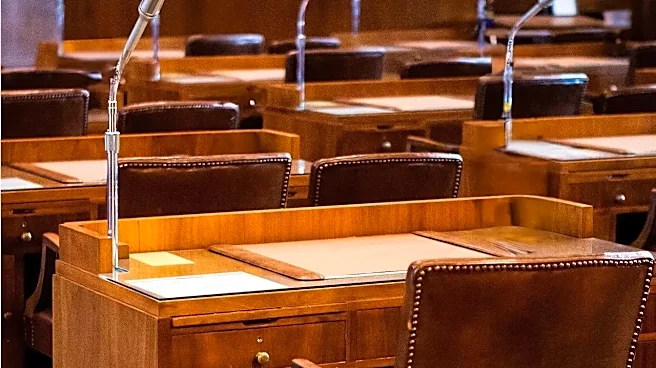
Imagine trying to get 100 people to agree on every single tiny step of a project. It would be impossible. The Senate faces this problem daily. To get anything done—from naming a post office to passing a multi-billion dollar spending bill—the chamber relies on a shortcut called unanimous consent. Instead of holding time-consuming formal votes on every procedural matter, a senator will ask for unanimous consent to move forward. The presiding officer then asks if anyone objects. If the chamber is silent, the request is granted, and business moves on. This happens dozens of times on a typical day for routine matters. Without it, the Senate would drown in its own rules, like needing to read a 400-page bill out loud. But this system has a massive
vulnerability: it only works if literally no one present objects.
The Power of One Word: 'I Object'
When a senator wants to pass a bill or confirm a nominee quickly, they can ask for unanimous consent. If every other senator agrees, or at least stays quiet, it passes instantly. But if just one single senator stands up and says 'I object', the fast-track plan is dead. That single objection forces the bill or nominee back into the slow, arduous formal process, which requires overcoming procedural hurdles and getting up to 60 votes to end debate—a process known as invoking cloture. On the Senate's crowded calendar, this delay is often a death sentence. A bill that gets pushed off the fast track may never get the floor time it needs to pass. This gives individual senators extraordinary leverage, turning a simple objection into a powerful veto.
The 'Hold': A Silent Threat
Often, the objection doesn't even happen publicly at first. Instead, a senator places what's known as a 'hold'. A hold is an informal notice given by a senator to their party's leader, signaling they will object if a specific bill or nomination comes to the floor for a unanimous consent vote. While not an official rule, leaders in both parties almost always respect holds as a courtesy. This allows a single lawmaker to secretly block action. Senators use holds for many reasons: because they genuinely oppose the nominee or bill, because they want more time to review it, or, most controversially, to gain leverage on a completely unrelated issue. For example, a senator might hold up dozens of military promotions to protest a Pentagon policy or block an ambassador's confirmation to force the State Department to change its stance on a foreign relations matter.
What Gets Stopped? Everything.
The list of things a single objection can stop is long and impactful. Senators have used holds and objections to block judicial nominees, cabinet secretaries, and hundreds of military promotions, leaving key government positions vacant for months. They have stopped bipartisan bills on election security, resolutions condemning war crimes, and disaster relief packages. For instance, Sen. Ted Cruz recently blocked a bill aimed at regulating artificial intelligence, arguing it gave the government too much power. Sen. Rand Paul has famously placed holds on military aid and government spending bills. The tactic is bipartisan and has been used throughout modern Senate history to force negotiations or simply kill legislation that a single member opposes. This power transforms one senator from a single vote into a major roadblock.