





The Nation’s Road Crew and Landlord
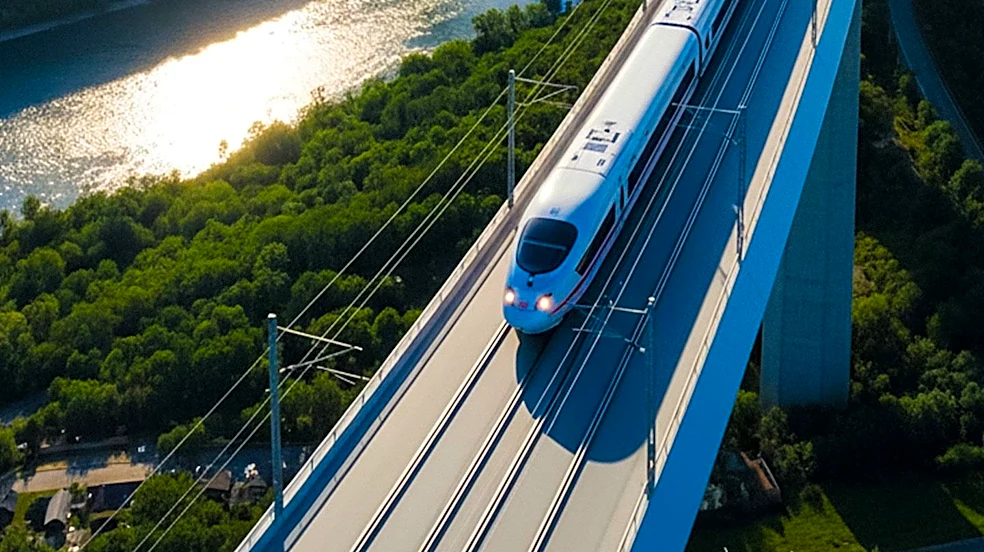
At its core, the Environment and Public Works (EPW) Committee is responsible for the physical nuts and bolts of the country. Its formal jurisdiction covers the construction and maintenance of the nation's highways, bridges, and dams. When you hear about massive infrastructure bills, like the Bipartisan Infrastructure Law, this is the committee that writes and oversees the critical sections related to surface transportation. It authorizes the massive federal funds that flow to states for road projects and ensures those projects meet federal standards. Beyond roads, the committee also has authority over public buildings. It oversees the General Services Administration (GSA), the agency that acts as the federal government's landlord, managing federal office
buildings, courthouses, and other properties across the country.
Guardian of Air, Water, and Wildlife
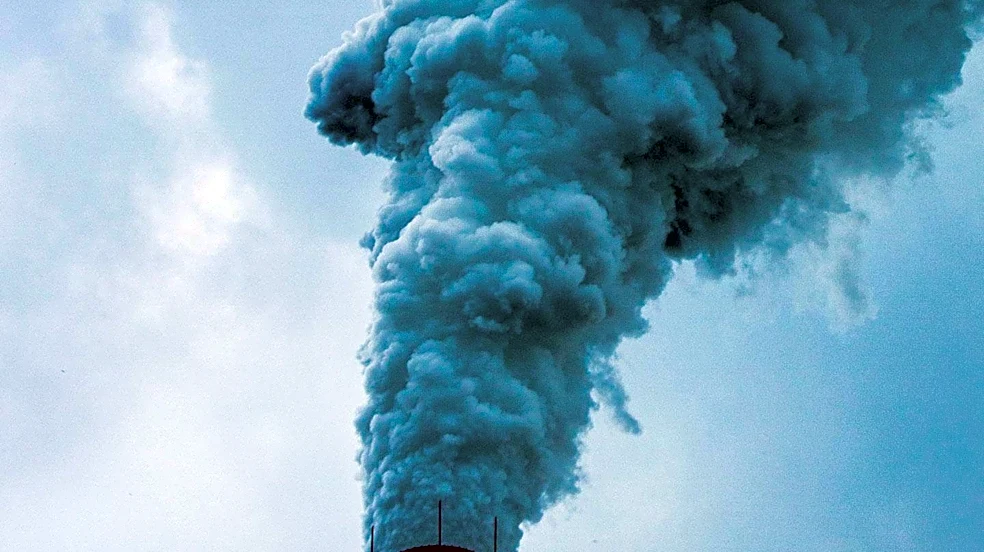
The 'Environment' part of its name is no accident. The EPW Committee has jurisdiction over most of the foundational environmental laws in the United States. This includes the Clean Air Act, which empowers the Environmental Protection Agency (EPA) to regulate air pollution, and the Clean Water Act, which governs water pollution in the nation's rivers and lakes. The committee’s authority also extends to solid waste disposal, recycling, ocean dumping, and toxic substances. Furthermore, it handles legislation related to fisheries and wildlife, including oversight of the U.S. Fish and Wildlife Service and the Endangered Species Act, a powerful law designed to protect rare species and their habitats.
Overseeing Disaster and Development
When disaster strikes, the EPW Committee's work comes into sharp focus. It has jurisdiction over the U.S. Army Corps of Engineers, the agency responsible for flood control, navigation projects, and major water resources development. This role is critical for protecting communities from flooding and maintaining the country's waterways. The committee's portfolio also includes regional economic development, with oversight of bodies like the Appalachian Regional Commission and the Economic Development Administration, which are designed to funnel investment and support into specific areas of the country. This dual focus on both preparing for emergencies and fostering long-term growth gives it a unique and powerful role.
A Surprising Mix of Other Duties
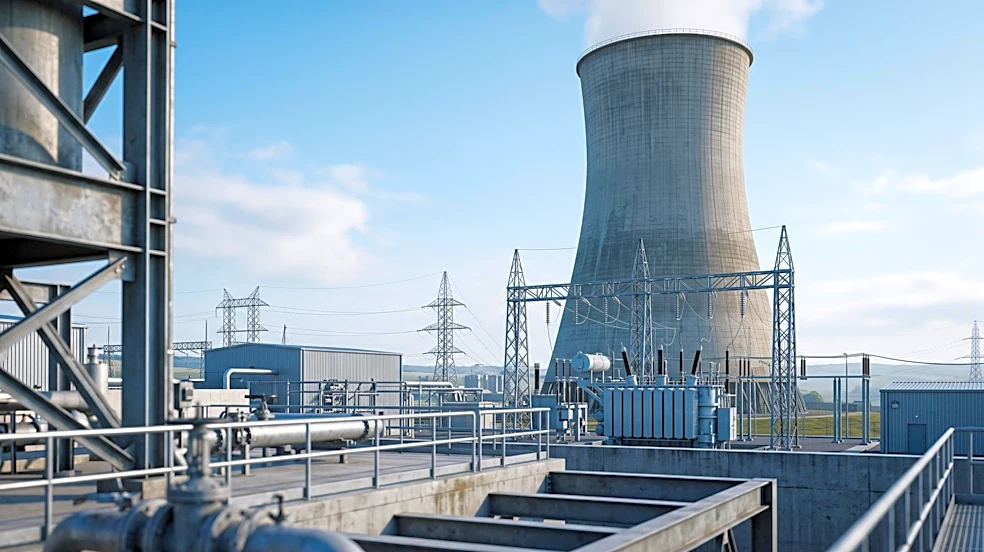
The committee's reach extends into some surprising areas. It is responsible for the nonmilitary environmental regulation of nuclear energy, giving it oversight of the Nuclear Regulatory Commission, which ensures the safety of the nation's nuclear power plants. It also deals with noise pollution and is tasked with studying and reviewing environmental protection and resource conservation on a comprehensive basis. Even the John F. Kennedy Center for the Performing Arts falls under its purview for non-performing functions. This diverse set of responsibilities means the committee’s members must be experts on everything from the chemical composition of industrial waste to the structural integrity of a thousand-foot bridge.