




The First Hurdle: From Nomination to Hearing
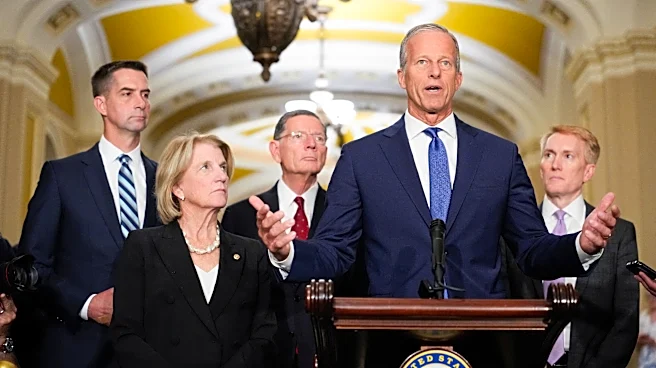
Before any vote happens, a presidential nominee for a position like a cabinet secretary or federal judge must first go to the U.S. Senate for 'advice and consent', as laid out in the Constitution. The nomination is formally sent to the Senate and referred to the committee with the relevant jurisdiction—the Judiciary Committee for judges, the Foreign Relations Committee for ambassadors, and so on. This kicks off an intense vetting period. The nominee submits extensive paperwork, including financial disclosures and detailed questionnaires, and undergoes an FBI background check. The culmination of this phase is the public hearing, a familiar sight on the news where the nominee testifies and answers questions from the senators on the committee.
This hearing sets the stage for the committee's crucial first vote.
The Vote: Favorable, Unfavorable, or Without Recommendation
After the hearing, the committee holds a vote on the nomination. This isn't a simple thumbs-up or thumbs-down. The committee has several options. The most common and desirable outcome for a nominee is a 'favorable recommendation'. This means a majority of the committee supports the nominee and recommends that the full Senate confirm them. Alternatively, the committee can vote to send the nomination to the full Senate with an 'unfavorable recommendation' or 'without recommendation'. An unfavorable vote signals significant opposition, but it doesn't kill the nomination. Reporting a nominee 'without recommendation' often happens when committee members are divided but agree the full Senate should have the final say. In any of these cases, if the committee votes to report the nomination, it then moves to the Senate's Executive Calendar, making it eligible for a final confirmation vote by all 100 senators.
The Dreaded Tie: When the Committee is Deadlocked
Things get particularly interesting when the committee vote is a tie, a common scenario in a closely divided Senate where committees have an equal number of members from each party. A tie vote technically means the motion to favorably report the nominee has failed. For decades, this could have spelled the end for a nominee. However, modern Senate procedures provide a workaround. Through a special 'discharge motion', the Senate Majority Leader can bring a nomination that was tied in committee directly to the Senate floor for a full vote. This procedural move essentially allows a nomination to bypass a deadlocked committee. While it requires an extra vote on the Senate floor to discharge the nominee, it ensures that a tie in committee does not unilaterally block a presidential appointment.
The Real Power of the Vote
So if a nomination can advance with an unfavorable report or even a tie, what does the committee vote truly determine? Its power is primarily political. The vote is the first official test of a nominee's support and a major signal to the rest of the Senate. A strong, bipartisan favorable vote creates momentum and signals an easy confirmation. A contentious, party-line vote, even if successful, forecasts a tough fight on the Senate floor. An unfavorable or tie vote, while not a death sentence, highlights deep opposition and forces the majority party to expend significant political capital and floor time to secure the final confirmation. The committee can also simply choose not to act at all, leaving a nominee in limbo—a tactic that can effectively kill a nomination without a formal vote against it. Ultimately, the committee vote is less of a final verdict and more of a high-stakes dress rehearsal for the main event on the Senate floor.