



Congress's Workshops
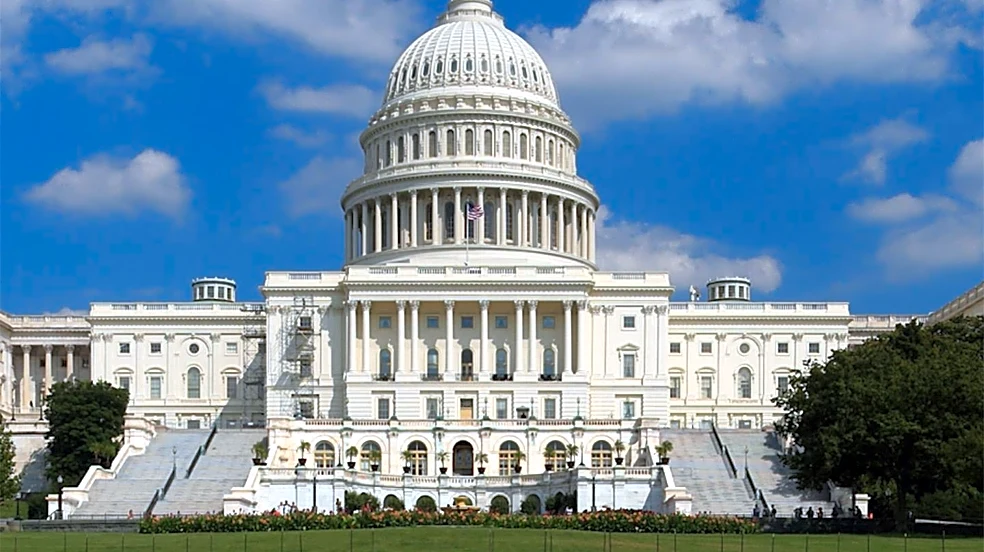
Think of congressional committees as the specialized workshops of the U.S. House of Representatives. Before any bill gets a vote on the House floor, it first passes through one or more of these panels. There are committees for everything from Agriculture to Ways and Means (which handles taxes). In these rooms, bills are born, debated, amended, and, most frequently, killed. Members develop expertise, hear from witnesses, and do the nitty-gritty work of shaping legislation. Without a committee's approval, a bill has almost no chance of becoming law. This gatekeeping function is what makes them so powerful.
The Power of the Ratio
The 'ratio' is simply the breakdown of majority and minority party members on a committee. If a party has a majority of seats on a committee,
it can control the agenda, decide which bills get a hearing, and, crucially, win every vote. Even a slim majority in the full House—say, 51% of the seats—can translate into a functional advantage on every single committee. The majority party ensures it always has more members on a committee than the minority, allowing it to approve its own legislation and block initiatives from the other side. This numerical superiority is the fundamental source of the majority's power to steer the legislative process.
Who Decides the Numbers?
At the beginning of each new Congress, after an election, the party leaders get together to negotiate the size and ratios for each committee. While the minority party is consulted, the majority party has the final say. The overall goal for the majority is to have its share of seats on each committee roughly reflect its share of seats in the entire House. For instance, a party with 55% of House seats will aim for about 55% of the seats on most committees. Each party has its own internal 'steering committee' that officially nominates its members for the assignments, but the top-level decisions about the ratios are driven by the Speaker of the House and their leadership team.
Stacking the Deck on Key Committees
While most committee ratios reflect the overall House makeup, the majority party doesn't always play it straight. For the most powerful committees, they often give themselves an even greater advantage. The House Rules Committee is the prime example. Nicknamed the 'traffic cop' of Congress, this committee decides how and when every major bill is debated on the floor. It sets the time for debate and, most importantly, determines which amendments can be offered. To maintain absolute control over the flow of legislation, the majority party traditionally gives itself a disproportionate number of seats on the Rules Committee—typically a 2-to-1 advantage, such as nine members to the minority's four. This ensures the Speaker's agenda can always get to the floor under favorable terms.