





So, What Is an 'Amendment Tree'?
Imagine a bill is the trunk of a tree. Any senator can propose changes, which are like branches growing from that trunk. These are called first-degree amendments. Other senators can then propose changes to those changes, which are like smaller branches growing off the bigger ones—second-degree amendments. Senate rules, based on centuries of precedent, dictate how many of these branches can exist at once on any given bill. The 'amendment tree' is simply the colloquial diagram of all the possible amendment slots that can be pending at one time. It’s the rulebook for how a bill can be changed on the Senate floor.
The Majority Leader's Special Power
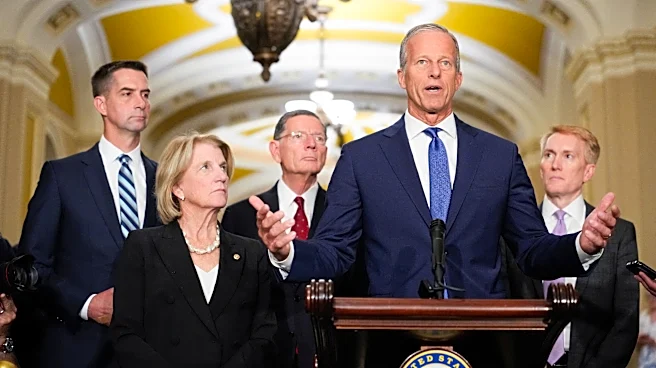
Here's where it gets interesting. By tradition, the Senate Majority Leader always gets to speak first. This is called the 'right of first recognition'.
While any senator could technically offer amendments, the Majority Leader can use this privilege to jump the line repeatedly. To 'fill the tree', the leader stands up and offers one amendment after another, often just placeholder or minor technical changes, until every single available slot on that bill's amendment tree is occupied. Once the tree is full, no one else—not the minority party, not even another senator from the majority party—can offer an amendment. The process is effectively frozen.
The Goal: Total Agenda Control
Why would a leader do this? The primary reason is control. Filling the amendment tree is a powerful tool to block amendments the leadership doesn't want. This could be to prevent the minority party from forcing politically difficult votes on 'poison pill' amendments designed to make a bill fail. It can also be used to stop members of the leader's own party from offering changes that could derail a fragile compromise. By filling the tree, the Majority Leader ensures that the only version of the bill that can be voted on is the one they approve of. It's a way to streamline the process, shut down debate, and push the majority's agenda forward with maximum efficiency.
The Controversial Consequences
While efficient for the majority, this tactic is highly controversial and a major source of modern Senate gridlock. Critics argue that it transforms the Senate from the world's 'greatest deliberative body' into a top-down institution where debate and compromise are stifled. When senators know they'll be blocked from offering any amendments, they become less willing to cooperate on even basic procedural steps, leading to more filibusters just to get bills to the floor. This has created a cycle of procedural warfare: the minority obstructs because they can't amend, and the majority blocks amendments because they anticipate obstruction. While the tactic isn't new, its frequent use by both Republican and Democratic leaders in recent decades has fundamentally altered the character of the Senate.