




Amendment 1: Clarifying Voter Qualifications
The first major question asks voters to amend the state constitution to specify that 'only a citizen of the United States' who is properly registered is entitled to vote. Proponents argue this is a common-sense measure to safeguard election integrity and align the state's foundational document with existing federal law, which already requires U.S. citizenship for federal elections. They frame it as an essential step to prevent any future possibility of non-citizens participating in state or local elections, ensuring that only those with a full stake in the state's governance can cast a ballot. A 'yes' vote supports adding this explicit citizenship language to the South Carolina Constitution. A 'no' vote opposes the change, leaving the current
language, which doesn't specify 'citizen', in place. Opponents of the measure suggest it is unnecessary political posturing, as non-citizen voting is already illegal. Some critics also raise concerns that such amendments can sometimes lead to confusion or create unintended legal hurdles for lawfully registered voters down the line.
Amendment 2: Imposing New Residency Rules for Candidates
The second proposed amendment would establish stricter residency requirements for individuals seeking public office. If passed, candidates for statewide positions like Governor and Attorney General, as well as for the state Senate and House of Representatives, would need to have been legal residents of South Carolina for at least ten years. The proposal for legislative candidates also requires two years of residency within the specific district they wish to represent. Supporters believe this change would ensure that candidates have deep, long-standing ties to the state and a thorough understanding of its unique challenges and culture. The goal, they say, is to prevent 'carpetbaggers' or newly arrived residents from seeking powerful offices without sufficient local experience. A 'yes' vote enacts these ten-year and two-year residency requirements. A 'no' vote would maintain the current, less restrictive rules. Those against the measure argue that it unfairly limits the field of potential candidates, penalizing qualified individuals who may have moved away for education, military service, or a career before returning to the state. They contend that voters, not an arbitrary timeline, should be the ultimate judge of a candidate's fitness for office.
Don't Forget Your Local Questions
Beyond the statewide amendments, many South Carolinians will find additional questions on their ballots specific to their city or county. These local referendums cover a wide range of issues and can have a very direct impact on daily life. For instance, voters in Charleston County are being asked to decide on a proposed 0.5% sales tax to fund major infrastructure and transit projects over the next 25 years. Another question in Charleston County involves issuing bonds to pay for these projects. Meanwhile, voters in other areas like the Midlands will see referendums on everything from capital project sales taxes to changing the form of municipal government. These measures often fly under the radar but are critical for funding schools, roads, and public services. Because these questions vary from one county to another, it is essential for voters to review their own sample ballot before heading to the polls.
How to Be Prepared for Election Day
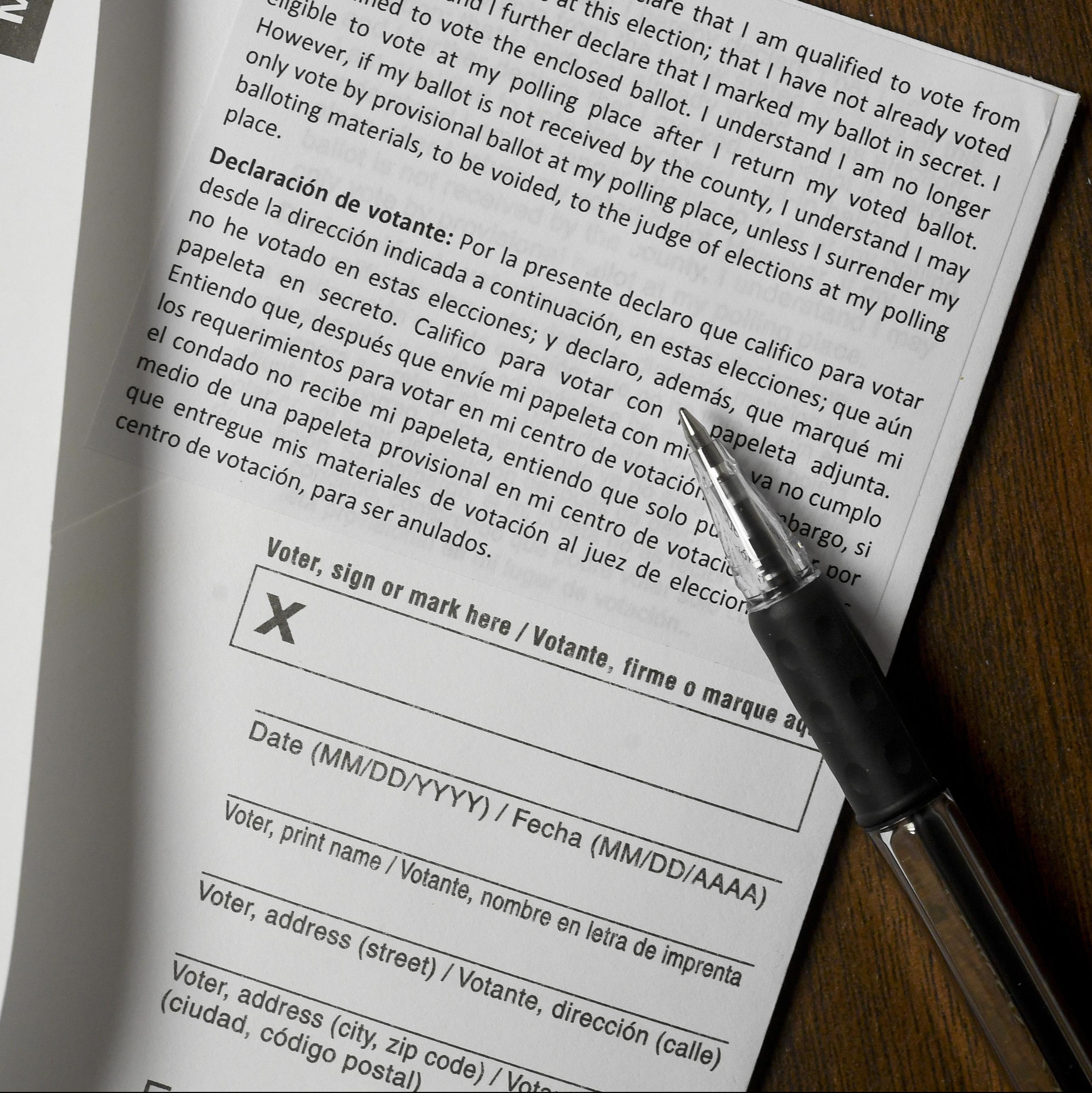
With these significant decisions on the ballot, being an informed voter is more important than ever. Early voting runs from October 19 through October 31, providing a flexible window for those who wish to cast their ballot ahead of Election Day on November 3. Voters can cast their ballot at any early voting center within their county. Remember to bring a valid photo ID, which is required for voting in South Carolina. For those who forget their ID, it is possible to cast a provisional ballot, but you must then present your ID to the county elections office before the results are certified. To see exactly which candidates and referendums will be on your personal ballot, you can visit the official South Carolina Election Commission website and use their sample ballot tool.