
Proposal 1: The Housing and Community Development Bond Act
This proposal asks voters to authorize the state to borrow $5 billion to fund affordable housing initiatives and community development projects. A 'yes' vote supports issuing state bonds to finance the construction
of new affordable and public housing units, preserve existing subsidized housing, and provide funding for home repairs for low- and moderate-income homeowners. Supporters, including housing advocacy groups and construction unions, argue this is a crucial step to address the state's severe housing affordability crisis, creating both homes and jobs. They point to the success of past bond acts in stimulating community revitalization. Opponents, primarily fiscal conservatives and some taxpayer associations, warn that the measure would increase the state's debt burden, costing taxpayers billions in interest payments over the long term. They argue for alternative solutions, such as zoning reforms and deregulation, to encourage private housing development without relying on public debt.
Proposal 2: Amending the Clean Water, Clean Air, and Green Jobs Act
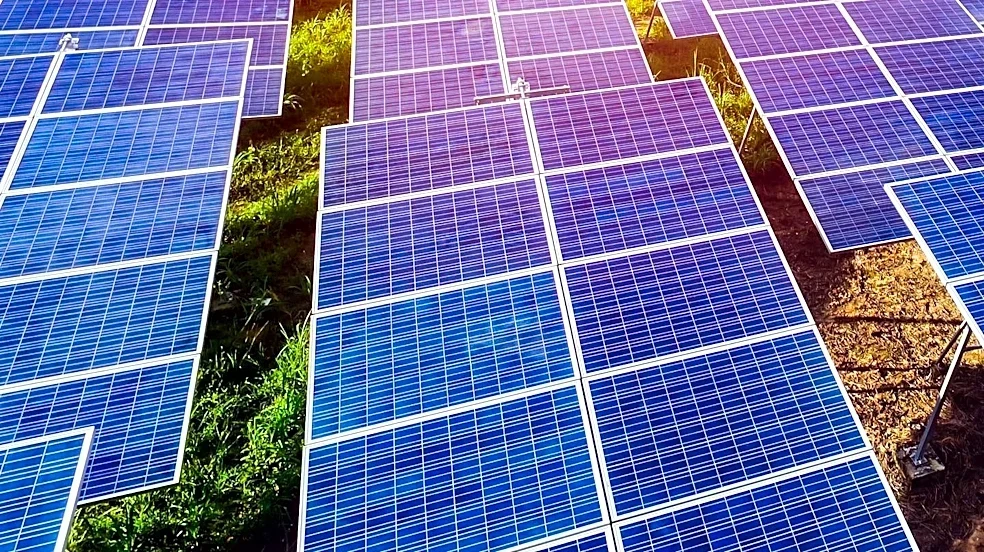
Four years after voters approved a historic $4.2 billion environmental bond act, this proposal seeks to amend it by authorizing an additional $2 billion in funding. A 'yes' vote would direct this new money toward accelerating the transition to renewable energy infrastructure, specifically for upgrading the state's electrical grid and funding green retrofits for public schools and buildings. Proponents, a coalition of environmental groups and renewable energy companies, say the additional investment is vital for meeting New York's ambitious climate goals and will create thousands of green jobs. They highlight the ongoing need to protect communities from climate change impacts like flooding. Critics of the measure question the need for more borrowing so soon after the 2022 act, suggesting the state should first demonstrate the effective use of all previously allocated funds. Some also raise concerns about the state's capacity to manage such large-scale infrastructure projects efficiently.
Proposal 3: Reforming the Commission on Judicial Conduct
This constitutional amendment proposes changes to the state body that investigates ethical complaints against judges. A 'yes' vote would grant the Commission on Judicial Conduct more independent authority, including a guaranteed budget that cannot be altered by the governor or legislature and the power to continue investigations even after a judge retires or resigns. Good-government groups and the Commission itself support the measure, arguing it is necessary to ensure judicial accountability and prevent judges from evading consequences by leaving office. Opponents, including some judicial organizations and legislators, express concern that giving the Commission total budgetary independence could lead to unchecked power and a lack of oversight. They argue that the current system, while imperfect, maintains a necessary balance of power between the branches of government.
Proposal 4: Moving Local Elections to Even-Numbered Years
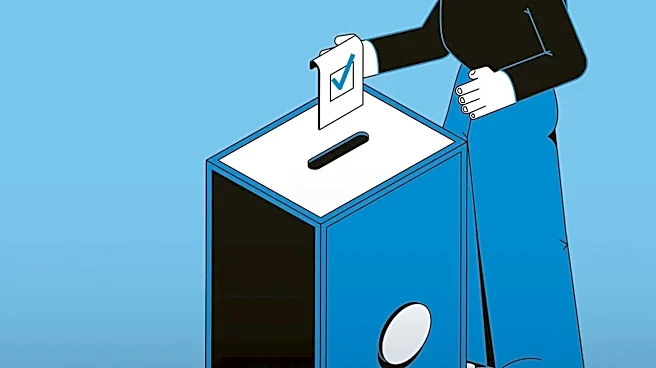
This proposed constitutional amendment would change the election calendar for many county and town officials across the state, moving their elections from odd-numbered years to even-numbered years to coincide with federal and state elections. A 'yes' vote aligns these local races with higher-turnout gubernatorial and presidential elections. Supporters argue this will dramatically increase voter participation in local contests, which often suffer from low turnout, making local governments more representative of the electorate. They also point to potential cost savings from consolidating elections. Opponents worry that local issues and candidates will be completely overshadowed and drowned out by the noise of state and national campaigns. They believe that separate, odd-year elections force voters to focus specifically on local matters, leading to a more informed electorate for those crucial community roles.