



The Democrat: Sherrod Brown
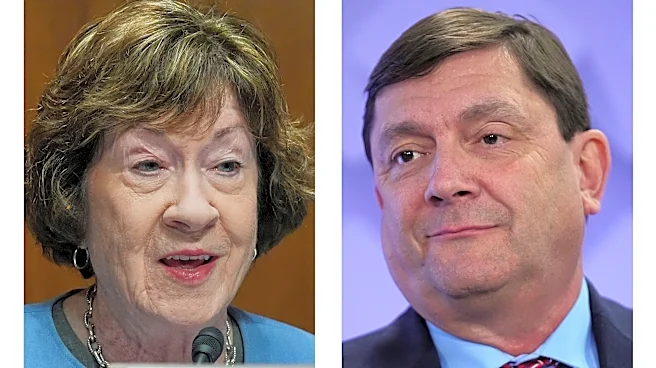
Sherrod Brown is a familiar face in Ohio politics, now aiming for a political comeback. After serving three terms in the U.S. Senate from 2007 to 2025, he was narrowly defeated in his 2024 reelection bid. Known for his progressive-populist message centered on the "dignity of work," Brown has long focused on issues vital to Ohio's working class, including manufacturing, trade, and union support. His campaign frames him as a seasoned fighter for Ohioans, running on a platform of strengthening local industries and holding corporations accountable. In this special election, his strategy heavily involves attacking his opponent's support for large-scale data centers, which Brown's campaign argues have led to higher electricity bills for residents
while providing corporations with massive tax breaks.
The Republican: Jon Husted
Jon Husted is the appointed incumbent in this race. Governor Mike DeWine appointed Husted to the Senate seat after it was vacated by J.D. Vance, who became Vice President. Before his Senate appointment, Husted had a long career in Ohio politics, including serving as Lieutenant Governor, Secretary of State, and Speaker of the Ohio House. Husted is running as a mainstream Republican, focusing on economic issues like inflation, cutting government spending, and promoting career and technical education. He has faced significant political pressure regarding his support for data centers, a key point of attack from Brown's campaign. Husted's camp argues these centers are crucial for technological advancement and that his opponent's attacks risk costing the U.S. its edge in the race for artificial intelligence.
The Third-Party Candidates
Beyond the two major parties, voters have other choices. Bill Redpath is the Libertarian nominee. He is campaigning on a platform of fiscal conservatism and social liberalism, advocating for reduced government spending, lower taxes, and greater protection of civil liberties. Redpath supports a policy of unilateral free trade, arguing that tariffs are a tax on American consumers. Also on the ballot is Greg Levy, an independent candidate and community organizer affiliated with the Party for Socialism and Liberation. Recent polling shows these third-party candidates polling in the low single digits, but in a tight race, they could draw votes that might otherwise go to one of the main contenders.
What's at Stake in This Toss-Up Race
This special election is to complete the final two years of the term J.D. Vance was elected to in 2022. The outcome will directly impact the partisan control of the U.S. Senate, which currently has a narrow Republican majority. The race is considered a toss-up, with recent polls showing Brown and Husted virtually deadlocked. One poll from late September showed Brown with a razor-thin lead of 45.6% to Husted's 45.3%, well within the margin of error. Key battlegrounds within the state include suburban communities, where voters are closely divided, and unaffiliated voters, who currently favor Brown. With both major candidates having deep roots in Ohio politics, the election presents voters with two starkly different visions on the economy, energy, and the role of government.