



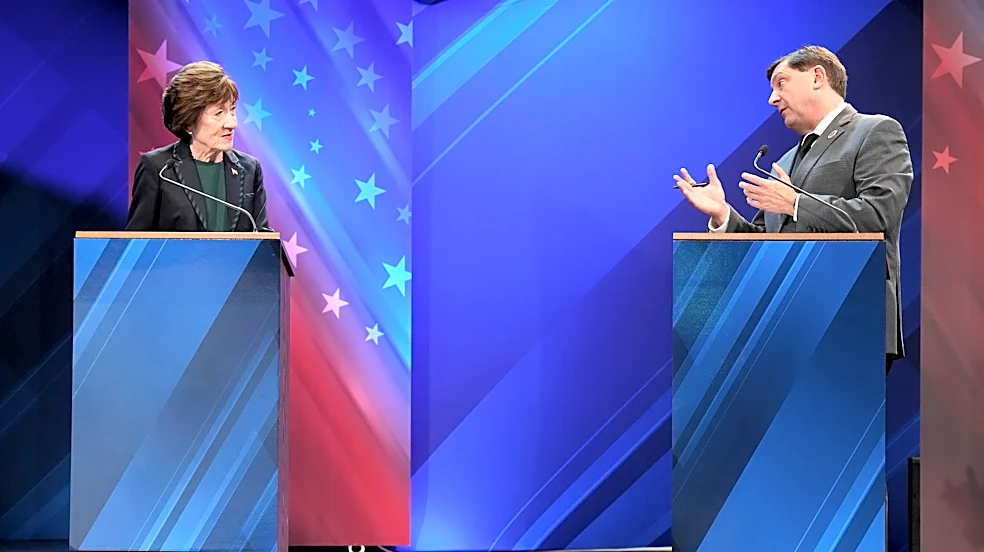


Top of the Ticket: Governor and U.S. Senate
Two of the most significant races for Maine voters in 2026 will be for Governor and a seat in the United States Senate. The gubernatorial election will determine the state's chief executive for the next four years. This individual holds the power to sign or veto legislation, oversee state agencies, and propose the state budget. With incumbent Governor Janet Mills being term-limited, the race for the Blaine House is an open contest. Concurrently, one of Maine's two U.S. Senate seats will be on the ballot. The winner will serve a six-year term in Washington, D.C., representing Maine's interests on national issues, voting on federal laws, and confirming presidential appointments for cabinet members and judges.
Federal Representation: U.S. House of Representatives
Every two years, all seats in the U.S.
House of Representatives are up for election, and 2026 is no exception. Maine is divided into two congressional districts, and voters in each will elect a representative to serve a two-year term. These officials are a direct line to the federal legislature, responsible for creating and voting on federal laws, serving on committees that shape national policy, and advocating for the specific needs of their home district. The outcomes of these races will help determine the balance of power in Congress.
Power in Augusta: The Entire State Legislature
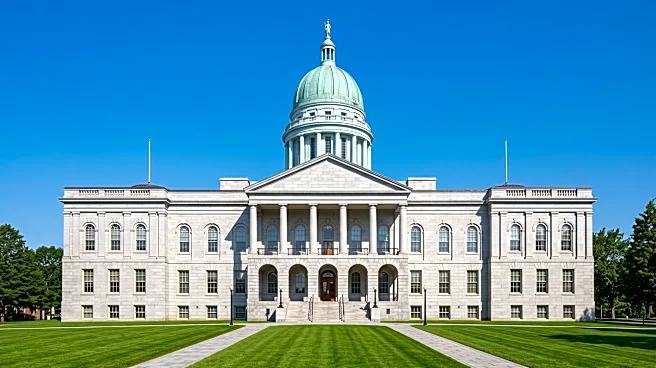
Control of state-level lawmaking is entirely on the line in 2026, as every single seat in the Maine Legislature is up for election. This includes all 35 seats in the Maine Senate and all 151 seats in the Maine House of Representatives. Members of both chambers are elected to two-year terms and are responsible for crafting and passing state laws, approving the state budget, and representing their local communities' interests in Augusta. Because these officials handle issues that directly impact daily life—from taxes and education to healthcare and infrastructure—these down-ballot races carry significant weight.
An Important Distinction: Appointed Statewide Offices
Unlike in many other states, Maine voters do not directly elect key statewide constitutional officers. The Attorney General, Secretary of State, and State Treasurer are not on the general election ballot. Instead, these officials are chosen by the members of the State Legislature in a joint session. This makes the legislative elections even more crucial, as the party that controls the Maine House and Senate also gets to select the state's top lawyer, chief elections officer, and chief financial officer.
Your Local Leaders: County and Municipal Offices
The 2026 ballot will also feature a range of important county-level positions. Depending on your location, these may include County Commissioner, Sheriff, District Attorney, and Judge of Probate. These roles are vital for local governance, overseeing everything from county budgets and law enforcement to the administration of wills and estates. Judges of Probate are notably the only judges in Maine directly elected by voters. Additionally, many municipalities will hold elections for local offices like city council, school board, and other local positions, which will appear on your specific ballot.
Don't Forget the Questions: Ballot Measures
Finally, many Maine ballots in 2026 will likely include one or more statewide or local ballot questions. These can take the form of citizen-initiated referendums, bond issues to fund state projects, or proposed amendments to the state constitution. These questions give voters a direct say in policymaking, allowing them to approve or reject specific laws or spending proposals. It's essential to research each question thoroughly, as the wording can sometimes be complex.