
Question 1: The Reproductive Freedom Amendment
The first major question asks voters whether to add a new section to the Virginia Constitution establishing a 'fundamental right to reproductive freedom'. This broad term is defined to include decisions
about contraception, fertility care, miscarriage management, and abortion. Supporters argue this amendment is necessary to protect access to reproductive healthcare from future political changes, creating a durable safeguard within the state's highest law. It would put Virginia in the company of other states that have proactively enshrined these rights post-Roe v. Wade.A 'yes' vote supports adding this right to the constitution. A 'no' vote opposes the amendment, leaving the state's laws on abortion and reproductive care to be determined by the General Assembly and governor, as they are now. The proposed amendment is not absolute; it explicitly allows the state to regulate abortion during the third trimester of a pregnancy. However, it includes a crucial exception: regulations cannot prohibit abortion if a physician determines it is necessary to protect the patient's life or health, or if the fetus is not viable.
Question 2: The Marriage Equality Amendment
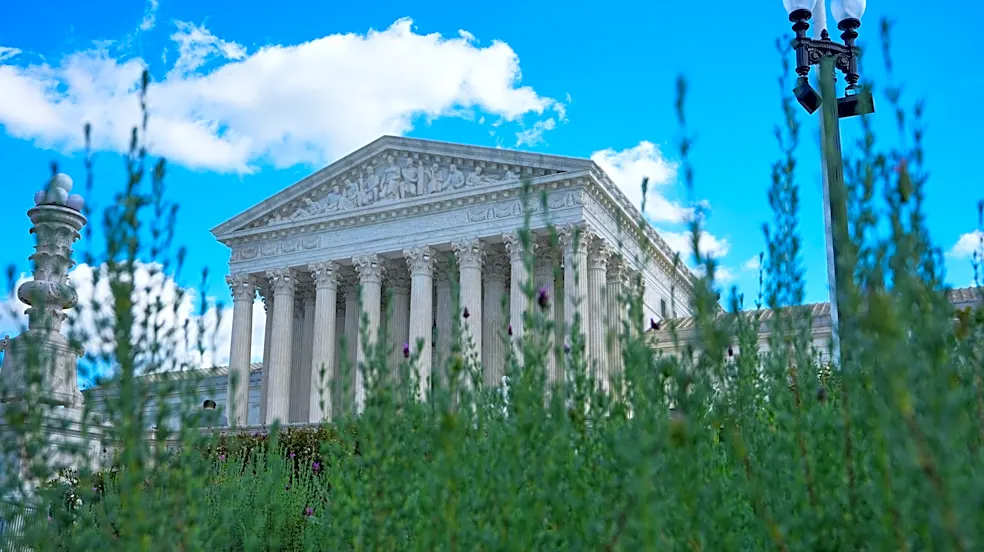
This amendment addresses language in the Virginia Constitution that currently defines marriage as only between one man and one woman. While this ban has been unenforceable since the 2015 U.S. Supreme Court decision in Obergefell v. Hodges, the text remains part of the constitution. A 'yes' vote on this measure would do two things: first, it would officially remove the defunct ban. Second, it would replace it with language affirming that any two adults may marry, regardless of sex, gender, or race, and require that all legally valid marriages be treated equally under Virginia law.Proponents of the amendment say it is a critical cleanup measure that aligns the state constitution with federal law and protects marriage equality from any future Supreme Court reversal. A 'no' vote would reject these changes, leaving the old, unenforceable ban on same-sex marriage in the state constitution. While a 'no' vote wouldn't change the current legality of same-sex marriage in Virginia, it would mean the state's foundational legal document remains out of step with practiced law and vulnerable to future legal challenges should the federal precedent change.
Question 3: The Voting Rights Restoration Amendment
The third amendment proposes a significant change to how Virginians with felony convictions regain their right to vote. Under current law, Virginia is one of the few states where a felony conviction results in a permanent loss of voting rights unless the governor individually restores them. This process has varied widely from one administration to the next. This amendment seeks to standardize and automate the process.A 'yes' vote would amend the constitution to automatically restore a person's voting rights upon their release from incarceration for a felony conviction. They would not need to petition the governor or any other body. This would effectively change the system from one of permanent disenfranchisement to one where the right to vote is suspended only during the period of incarceration. A 'no' vote would oppose this change, keeping the current system in place where formerly incarcerated individuals must apply to the sitting governor to have their rights restored on a case-by-case basis. The amendment also updates outdated language regarding mental competency and voting.