
Curbing the Governor's Veto Power
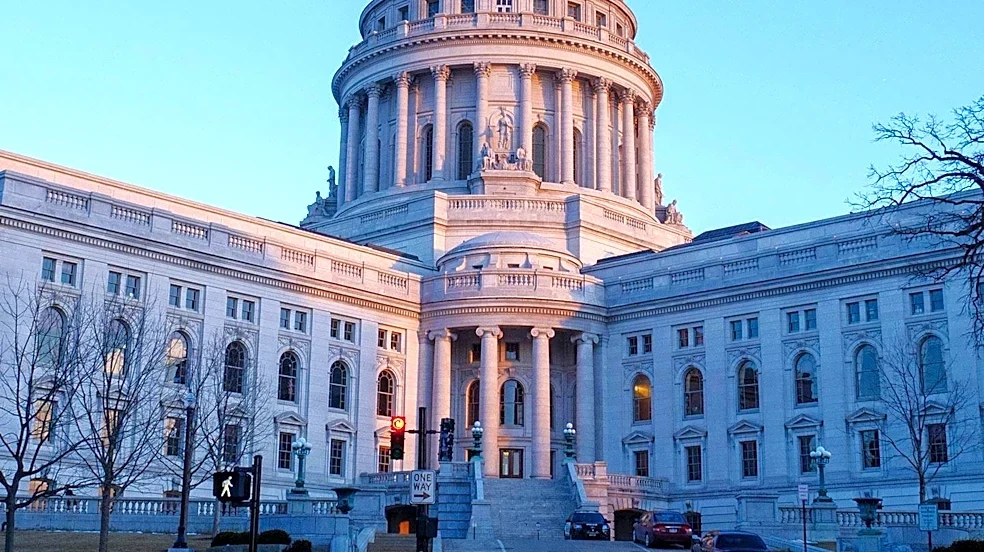
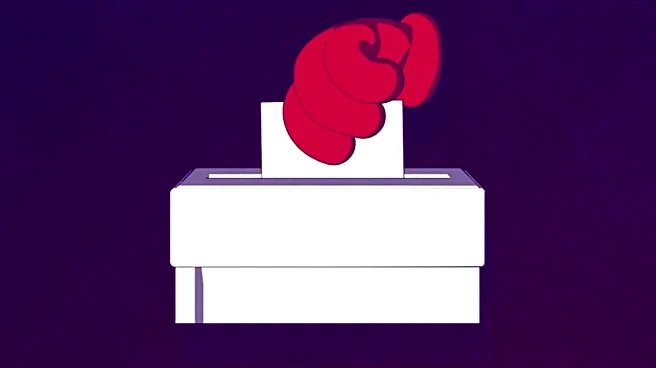
The first question on the ballot asks voters if they want to amend the constitution to prohibit the governor from using their partial veto power to create or increase any tax or fee. Wisconsin's governor has
one of the most powerful veto pens in the nation, with the ability to strike out words, numbers, and even individual digits in spending bills. Supporters of the amendment, including the conservative Wisconsin Institute for Law & Liberty and Republican lawmakers, argue this change is a necessary check on executive power. They point to instances where they claim the governor has used the veto to essentially create new fiscal policy never approved by the legislature. Opponents, largely Democrats and good-government groups, counter that this is a solution in search of a problem that will needlessly tie the hands of future governors from both parties. They argue the partial veto is a critical tool for balancing budgets and that this amendment is a partisan reaction to policy disagreements with the current administration.
Religious Gatherings During Emergencies
The second amendment would prohibit the state or local governments from closing or forbidding gatherings in places of worship during a state of emergency, including a public health emergency. This proposal is a direct response to the government-mandated closures during the early days of the COVID-19 pandemic. Proponents argue this is a fundamental protection of religious liberty, ensuring that worship is always treated as an essential activity that cannot be shut down by government decree. They contend that other establishments were allowed to operate while houses of worship were forced to close. However, a wide range of critics, including some religious leaders and public health officials, have voiced opposition. They warn that writing this exemption into the constitution could severely limit the state's ability to respond effectively to future crises, whether it's another pandemic, a natural disaster, or a security threat, by treating places of worship differently from other gathering spaces like theaters or stadiums.
The 'Equality' vs. 'Anti-Equity' Amendment
The third question proposes to add language to the constitution prohibiting the government from discriminating against or granting preferential treatment to any individual or group based on race, sex, color, ethnicity, or national origin in public employment, education, or contracting. Supporters, who have branded this the 'Equality Amendment', argue it will ensure every Wisconsinite is treated equally under the law and that it will end the use of divisive identity politics in government functions. On the other side, opponents like the ACLU of Wisconsin have labeled it the 'anti-equity amendment'. They argue that while the language sounds straightforward, its true purpose is to dismantle programs designed to address long-standing disparities and remedy past discrimination. They warn it would make it harder for the government to implement targeted initiatives aimed at improving outcomes in health, education, and business for historically marginalized communities, effectively rolling back decades of civil rights progress.