


Statewide Executive Offices
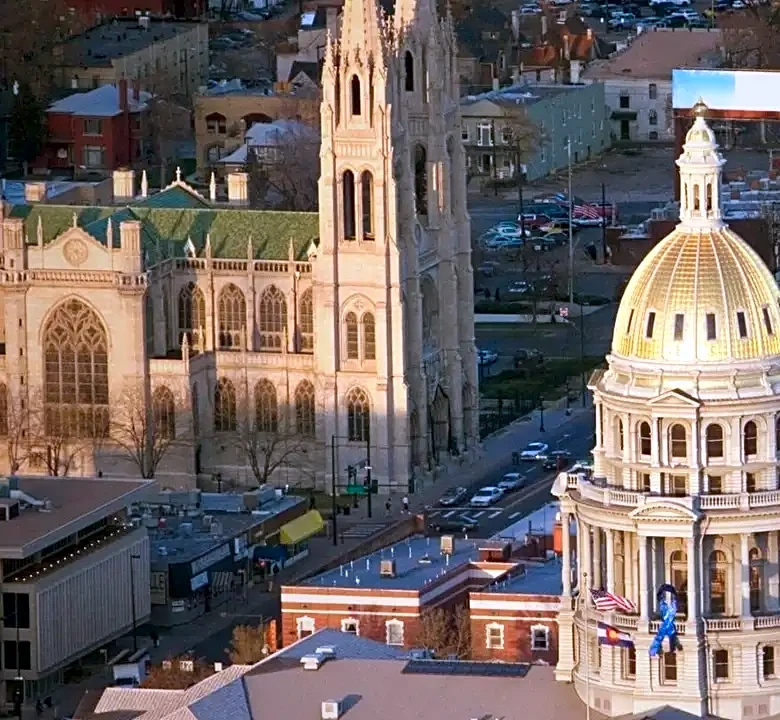
Term limits are creating a major shakeup in Lansing, with the top three executive offices all open. The Governor is the state's chief executive, responsible for signing or vetoing laws, managing the state budget, and overseeing state departments. After eight years of Governor Gretchen Whitmer, voters will choose her successor. Likewise, the Attorney General, who acts as the state's top lawyer, and the Secretary of State, who oversees elections and motor vehicle services, will also be new. These roles are immensely powerful, influencing everything from consumer protection and environmental law to how your vote is counted and how long you wait at the DMV.
U.S. Congress: Senate and House
Michigan will also play a key role in determining the balance of power in Washington, D.C.
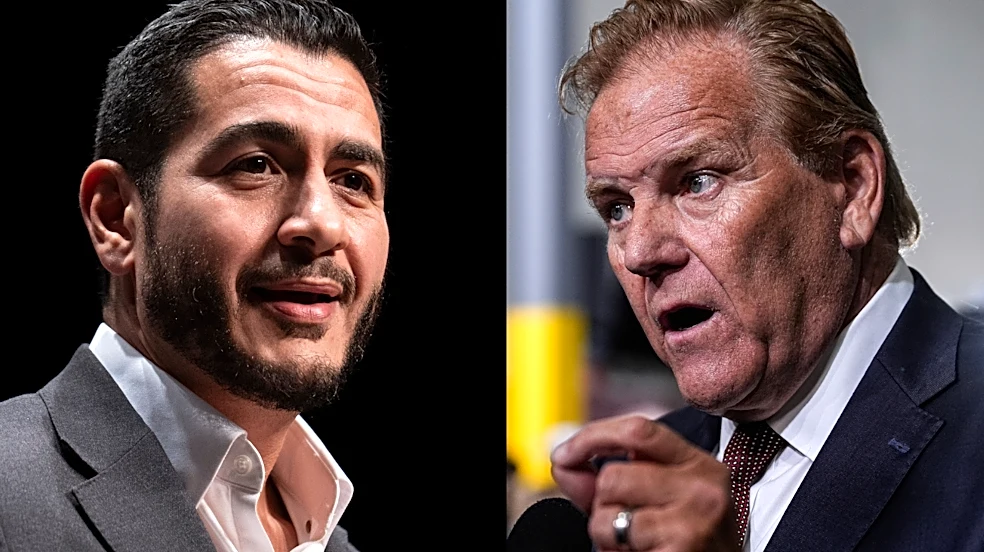
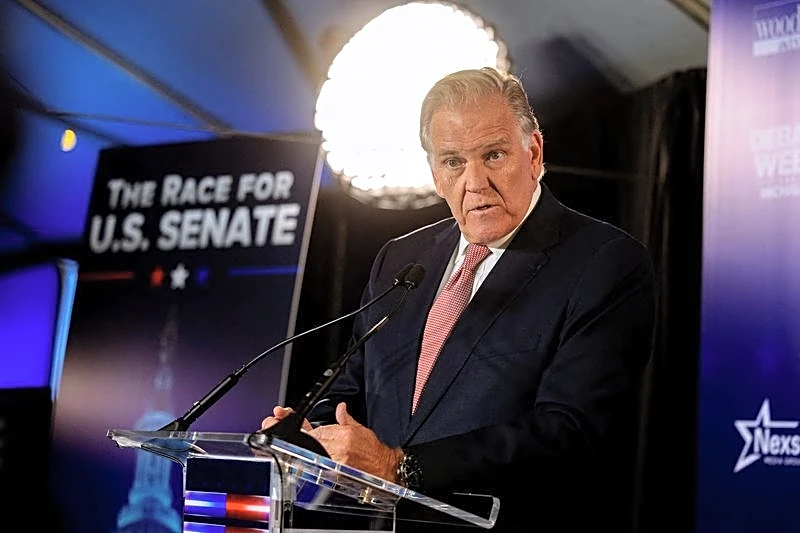
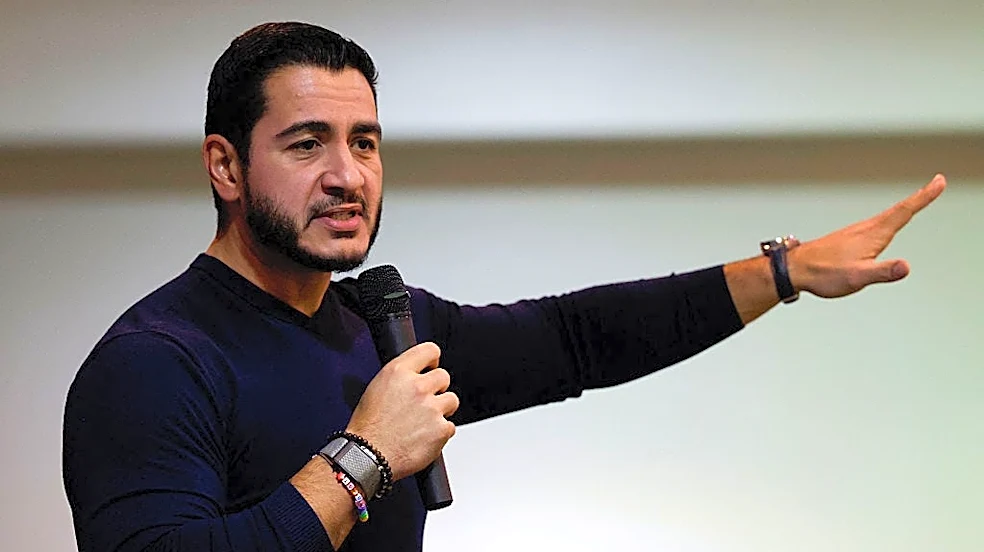
An open U.S. Senate seat, created by the retirement of Democrat Gary Peters, is expected to be one of the most competitive races in the country. Senators serve six-year terms and, along with their colleagues, confirm federal judges, ratify treaties, and pass national laws. In addition, all 13 of Michigan's seats in the U.S. House of Representatives are up for election. Your representative is your direct voice in Congress, voting on federal legislation that affects taxes, healthcare, and national defense.
The Entire Michigan Legislature
Every single seat in the Michigan Legislature is on the ballot. This includes all 38 seats in the State Senate and all 110 seats in the State House. These are the lawmakers who write the laws that govern the state of Michigan directly. They decide on the state's budget for roads, schools, and public safety. With both chambers currently holding narrow majorities, the 2026 election will determine which party controls the legislative agenda in Lansing for the next two to four years. Your local state senator and representative have a direct impact on the policies that shape your community.
The Judicial Branch
Though often overlooked, judicial elections have a profound and long-lasting impact. In 2026, Michigan voters will fill two seats on the state's seven-member Supreme Court. These justices have the final say on the interpretation of Michigan's laws and constitution. While candidates for the Supreme Court are nominated by political parties, they appear on the ballot without a party designation. In addition to the Supreme Court, there will be elections for judges on the Michigan Court of Appeals and various local circuit, district, and probate courts across the state. These are the people who rule on both civil and criminal cases that affect daily life.
State Education Boards
Voters will also shape education policy for millions of students. Two of the eight seats on the State Board of Education are up for election. This board is responsible for setting statewide public education policy and hiring the state superintendent. Furthermore, voters will elect two members each to the governing boards of Michigan's largest public universities: the University of Michigan Board of Regents, the Michigan State University Board of Trustees, and the Wayne State University Board of Governors. These boards oversee tuition rates, university budgets, and the long-term strategic direction of the institutions.
Ballot Proposals and Local Races
Beyond candidates, Michigan voters will decide on at least two statewide ballot proposals. One asks whether the state should hold a convention to rewrite the entire state constitution, a question that must appear on the ballot every 16 years. The other proposal concerns campaign finance reform. Finally, while this guide covers statewide races, don't forget the local offices on your ballot. Depending on your location, you may be voting for county commissioners, city council members, a mayor, or local school board members. These positions often have the most direct and immediate impact on your daily life, managing everything from local roads and parks to your child's school curriculum.