




Cory Booker (Democrat)
Incumbent Senator Cory Booker is running for his third full term in office. First elected in a 2013 special election, Booker has built a national profile as a leading voice in the Democratic party. Before his time in the Senate, he served as the mayor of Newark. His campaign emphasizes making life more affordable for New Jersey families by addressing the high costs of housing, groceries, and childcare. On the policy front, Booker is focused on issues like healthcare access, criminal justice reform, and environmental protection. He has been a vocal advocate for federal legislation on voting rights and police reform. His pitch to voters centers on his experience and his ability to deliver federal resources to the state, arguing that his seniority
and relationships in Washington are crucial for New Jersey's interests. He frames his reelection as a continuation of the fight for economic opportunity and social justice.
Justin Murphy (Republican)
The Republican challenger is Justin Murphy, a former deputy mayor of Tabernacle Township. Murphy secured his party's nomination after winning the Republican primary in June. His campaign platform strikes a conservative tone, focusing heavily on border security and economic policy. Murphy advocates for stationing the U.S. military at the southern border and empowering local law enforcement to participate in immigration enforcement. On economic issues, he aligns with traditional Republican principles of reducing regulation and government spending to foster growth. His message is geared toward voters who feel the current administration's policies have failed to control inflation and secure the nation. Murphy presents himself as a clear alternative to the incumbent, arguing for a significant change in direction on foreign policy, military readiness, and immigration.
Third-Party Challengers
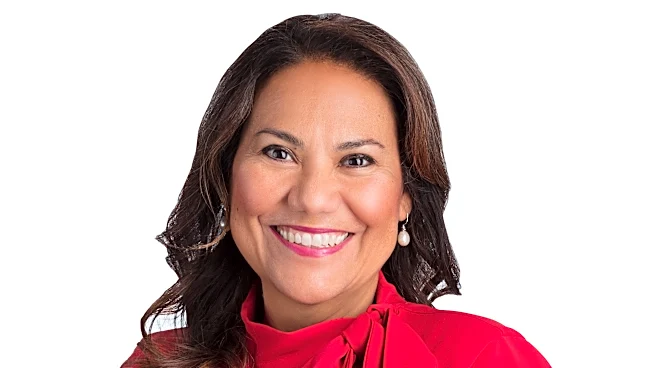
Beyond the two major parties, voters will find other names on their ballot, each bringing a distinct perspective. Independent candidate Veronica Fernandez is centering her campaign on electoral reform, specifically calling for a constitutional amendment to overturn the Citizens United Supreme Court decision to reduce corporate influence in politics. She also advocates for a 'Medicare for All' system, arguing it would lower taxes and provide better healthcare by removing private insurance intermediaries. Another candidate is Joanne Kuniansky of the Socialist Workers Party. A veteran of the party, her platform is rooted in class struggle, advocating for workers to form their own political party separate from the Democrats and Republicans, who she argues defend the interests of business owners over laborers.
What's at Stake for New Jersey
This election comes as control of the U.S. Senate remains a key political battleground. For New Jersey, the choice is between continuing with an established Democratic senator or electing a Republican for the first time since 1972. The outcome will not only influence the state's representation on national issues but also play a role in the larger ideological balance of power in Washington. Key issues resonating with voters across the state include the economy and affordability, immigration policy, and the future of healthcare. The candidates offer starkly different approaches to these challenges, giving voters a clear choice based on their priorities for the state and the country.