

U.S. Senate
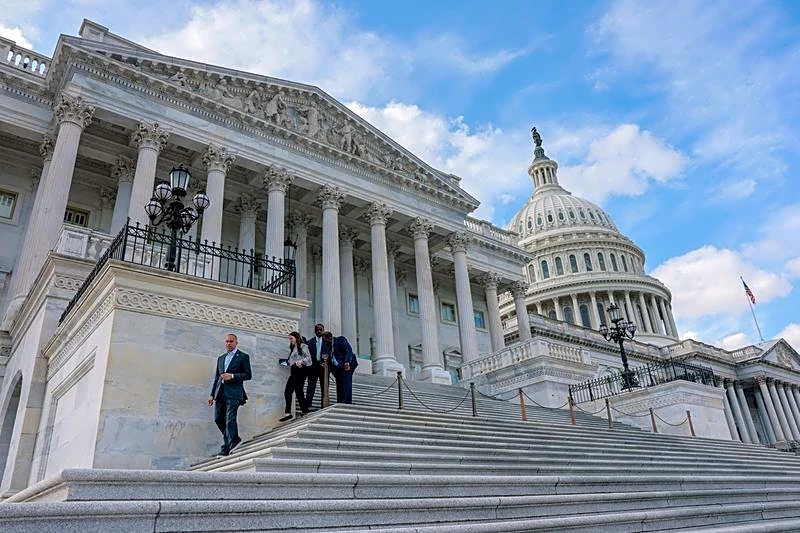
Louisiana voters will elect one of the state's two U.S. Senators this year. Senators serve six-year terms and are responsible for writing and passing federal laws, confirming presidential appointments for judges and cabinet members, and ratifying international treaties. The Senate holds immense power over national policy, and this election will determine who represents Louisiana's interests in the upper chamber of Congress. Following the primary elections, Republican Julia Letlow and Democrat Jamie Davis are slated to face each other in the November general election. This is a key statewide race that will attract significant attention.
U.S. House of Representatives
All six of Louisiana's seats in the U.S. House of Representatives are up for election. Representatives serve
two-year terms and are closer to the people in their specific districts. Their primary jobs include introducing legislation, serving on committees that oversee various aspects of government, and voting on the federal budget. Because the entire House is up for election every two years, these races are often seen as a referendum on the current political climate. Louisiana's election system for these races means all candidates appear on the November 3rd ballot together; if no one wins over 50%, the top two will proceed to a runoff in December.
State-Level Commissions and Boards
While major statewide executive offices like Governor are not on the ballot, several important state-level positions are. These include seats on the Public Service Commission (PSC) and the Board of Elementary and Secondary Education (BESE). The PSC regulates utilities like electricity and gas, directly impacting your monthly bills. BESE sets policies for K-12 education across the state, influencing curriculum and school standards. These down-ballot races have a profound and direct impact on the daily lives of Louisiana residents, from household costs to the quality of public schools.
Judicial Elections
Louisiana is one of the few states that elects judges in partisan elections. In 2026, numerous judicial seats are on the ballot, including for the Louisiana Supreme Court and various intermediate appellate courts. These judges interpret state laws and make rulings on a vast array of civil and criminal cases. The outcomes of judicial elections can influence legal precedent for years to come, affecting everything from business disputes to criminal justice. Voters will see candidates for these powerful positions on their ballots, making it crucial to understand their legal philosophies.
Your Local Parish and City Offices
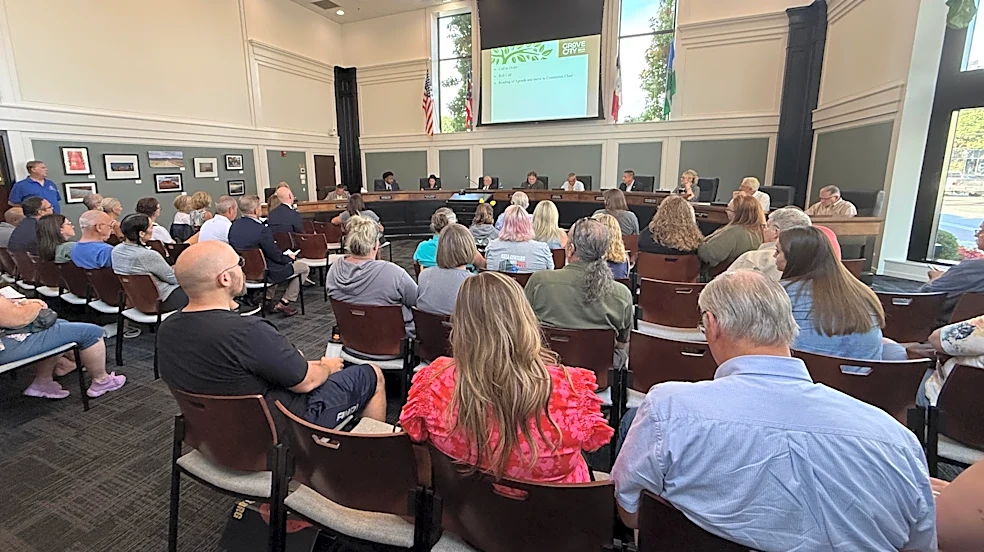
Perhaps the most varied part of the ballot will be the local races, which differ significantly from parish to parish. Depending on where you live, you could be voting for mayors, city council members, school board members, sheriffs, clerks of court, justices of the peace, and constables. These are the officials who handle street repairs, local law enforcement, school funding, and community zoning. Because these elections are so specific to your area, it's essential to look up a sample ballot for your exact address to see which local contests you'll be deciding.
Ballot Measures and Constitutional Amendments
Beyond candidates, voters will also decide on proposed amendments to the Louisiana Constitution and other local propositions. These ballot measures can cover a wide range of topics, such as taxation, funding for specific projects, and the fundamental structure of state and local government. A 'yes' or 'no' vote on these measures can permanently alter the state's highest law or approve new local taxes, making them just as important as the candidates you choose.