

On the Federal Level: The House
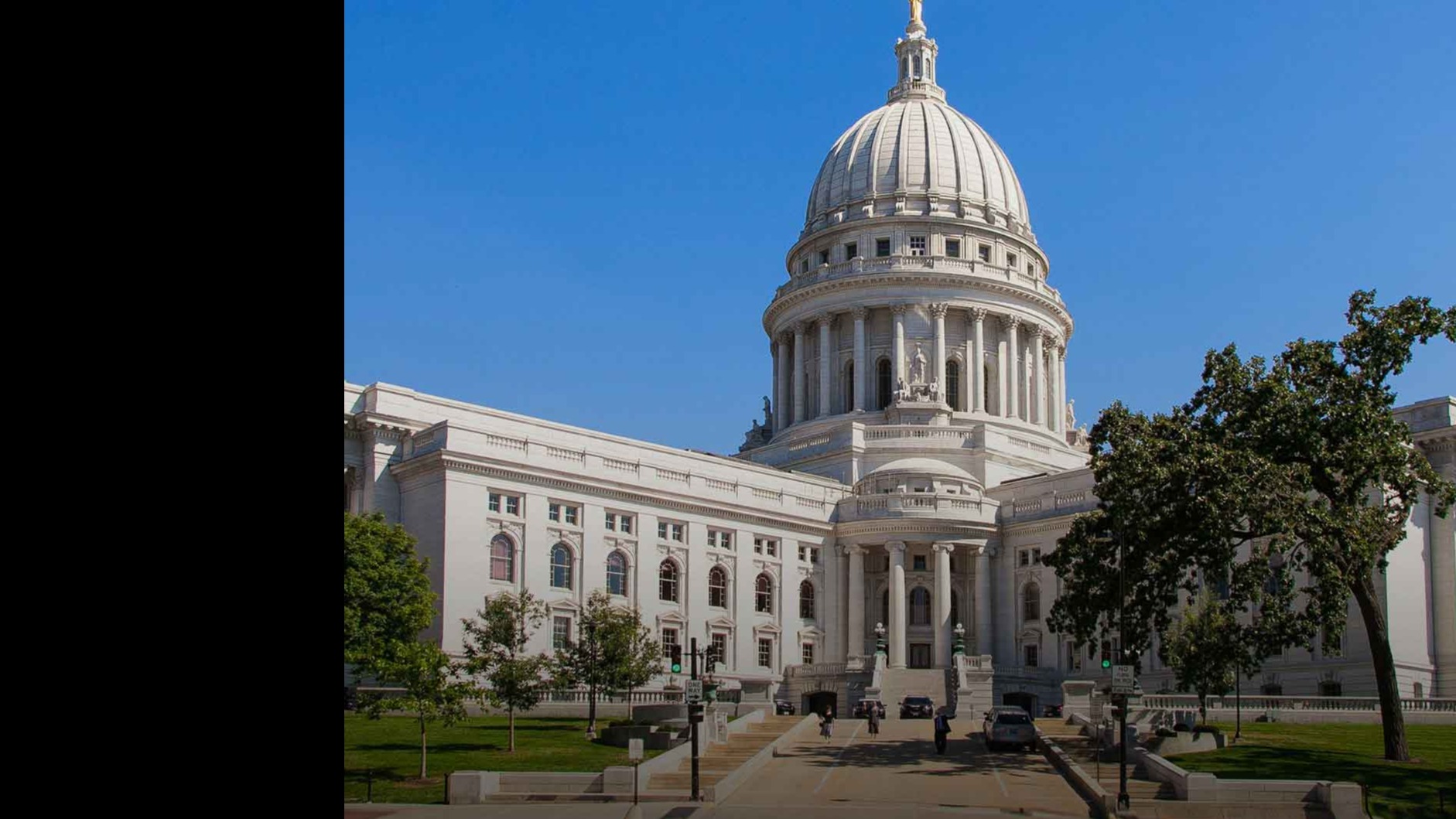
First, let's look at Washington D.C. All eight of Wisconsin's seats in the U.S. House of Representatives are on the ballot this November. Representatives serve two-year terms, so this is a regular feature of every midterm and presidential election. Your representative is your direct voice in Congress, voting on federal laws, budgets, and national policies. It's worth noting what's not on the ballot: a U.S. Senate seat. Wisconsin’s two senators have staggered six-year terms, and neither is up for re-election in 2026, so your focus at the federal level will be solely on your local congressional district race.
The Top Job: Governor and Lieutenant Governor
The biggest race in the state is for the governor's mansion. The governor is the state's chief executive, responsible for signing or vetoing
bills passed by the legislature, managing the state government, and appointing cabinet members and judges. The Lieutenant Governor is the second-in-command and is elected on the same ticket. This year's election is particularly significant because it is an open race; incumbent Governor Tony Evers is not running for a third term, meaning both major parties are fighting hard to win control of the executive branch. This guarantees a new leader will be setting the state's agenda for the next four years.
Wisconsin's Other Key Statewide Roles
Beyond the governor, three other crucial statewide executive offices are on the ballot, each with a distinct and important function. The Attorney General is the state's top lawyer and law enforcement officer, representing Wisconsin in legal battles and leading the Department of Justice. The Secretary of State serves as the state's chief records keeper and notary public. Finally, the State Treasurer is responsible for managing and investing the state's money. Like the governor, these officials are elected to four-year terms and their races will determine the administrative direction of the state government.
A New Chapter for the State Legislature
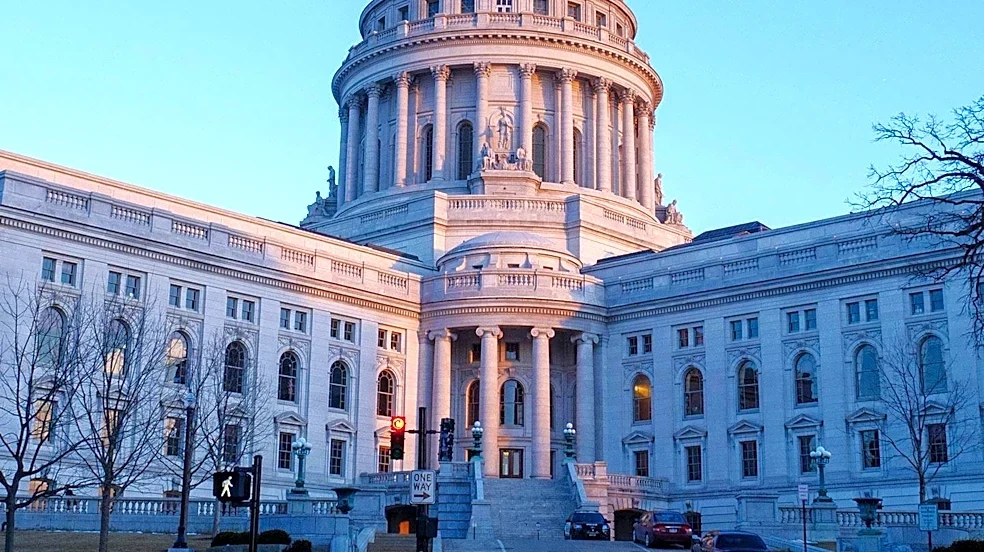
Control of the legislative branch is also at stake. All 99 seats in the Wisconsin State Assembly, the lower house of the legislature, are up for election for two-year terms. In the upper house, the State Senate, 17 of the 33 seats—those in odd-numbered districts—are on the ballot for four-year terms. This election is especially pivotal because it is the first midterm where the entire legislature will be elected under new district maps approved following a court challenge. These fairer maps have created more competitive districts across the state, and the results will determine which party writes the laws in Madison for the next legislative session.
Ballot Questions and Local Leadership
The headline promises every office, and that includes the ones closest to home. While this guide covers the races every Wisconsinite will see, your specific ballot will also feature local elections. These can include your county executive, sheriff, or clerk; your city's mayor or alderperson; and members of your local school board. These roles have a huge impact on your daily life, from property taxes and local ordinances to the quality of public schools. Furthermore, voters will be asked to weigh in on three proposed amendments to the state constitution. Because these local races and referendums vary by municipality, it's crucial to look up a sample ballot before you vote.