
Constitutional Amendment 1: Legislative Term Limits
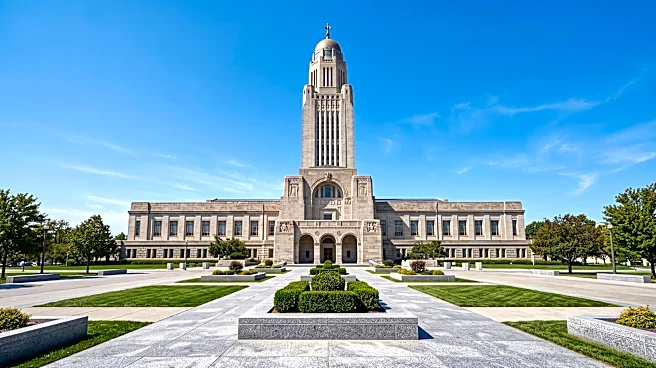
This measure, placed on the ballot by the state legislature, asks voters if they want to amend the Nebraska Constitution to change term limits for state senators. Currently, senators can serve two consecutive
four-year terms (eight years) before they must leave office for at least four years. A 'yes' vote on this amendment would extend that limit to three consecutive four-year terms (12 years). A 'no' vote would keep the current eight-year limit in place. Supporters argue that extending term limits allows lawmakers to develop more experience and expertise, making them more effective representatives for their constituents. They believe the current limits force knowledgeable senators out just as they are hitting their legislative stride. Opponents, however, contend that the current two-term limit was put in place by voters in 2000 to encourage fresh perspectives and prevent entrenched political careers. They point to a similar proposal that voters rejected by a wide margin in 2012 as evidence that Nebraskans prefer shorter terms for their elected officials.
Initiative 440 & 441: Online Sports Betting
This pair of initiatives, driven by a citizen petition, aims to legalize and regulate online sports betting in Nebraska. While in-person sports betting is already legal at licensed racetrack casinos, Nebraska is one of the states that does not currently allow online or mobile wagering. Initiative 440 is a constitutional amendment that would authorize the legislature to allow online sports betting, while Initiative 441 is a statutory measure that would create the regulatory framework for it. For online sports betting to become legal, both measures must pass. A 'yes' vote on both supports legalizing and creating rules for online sports betting conducted through vendors at the state's licensed racetracks. A 'no' vote would maintain the status quo, where bets can only be placed in person. Proponents, organized as 'Tax Relief Nebraska', argue that legalization will generate new tax revenue, with a portion earmarked for property tax relief. Opponents raise concerns about the potential social costs of expanded gambling, including addiction, and question whether the projected tax revenue will provide significant property tax relief.
Initiative 442: The 'Fairness for Girls' Amendment
This initiated constitutional amendment proposes to regulate eligibility for school sports teams based on biological sex. If passed, it would require public K-12 schools and colleges to designate sports teams as male, female, or coed. The measure would prohibit students of the male sex from participating on teams designated for 'females, women, or girls'. This requirement would also apply to any private schools that compete against public schools. A 'yes' vote supports adding these requirements to the state constitution. A 'no' vote would oppose this constitutional change. Supporters, led by the group 'Fairness for Girls', argue the amendment is necessary to ensure safety and protect competitive and scholarship opportunities for female athletes. Opponents, including civil liberties groups, argue that the measure targets transgender youth and codifies discrimination into the state’s most fundamental legal document.