






A Quiet Year for Statewide Questions
Unlike in some recent election cycles, Connecticut voters will not be asked to weigh in on any new statewide constitutional amendments in November 2026. The deadline for the state legislature to certify questions for the ballot passed without any proposals meeting the required threshold. For a potential constitutional amendment to reach voters, it must be passed by a three-fourths supermajority in both the House and Senate in a single session, or by a simple majority in two consecutive legislative sessions. One proposal discussed during the 2026 legislative session aimed to allow 16-year-olds to preregister to vote, but it did not achieve the supermajority needed to appear on this year's ballot. While this means a simpler ballot focused on candidates,
it does not mean the landscape of voting is unchanged.
Big Change #1: Early In-Person Voting
The most significant change for voters in 2026 is the full implementation of in-person early voting for a general election. This is the result of a constitutional amendment passed by voters in 2022, which gave the legislature the authority to create a system for it. For the November 3rd general election, every municipality will offer 14 consecutive days of early voting, including weekends, running from October 19 through November 1. Each town is required to have at least one designated early voting location, which may be different from a resident's usual Election Day polling place. This provides voters with newfound flexibility, allowing them to cast their ballot at a time that is convenient for them without needing to wait for Election Day.
Big Change #2: No-Excuse Absentee Ballots
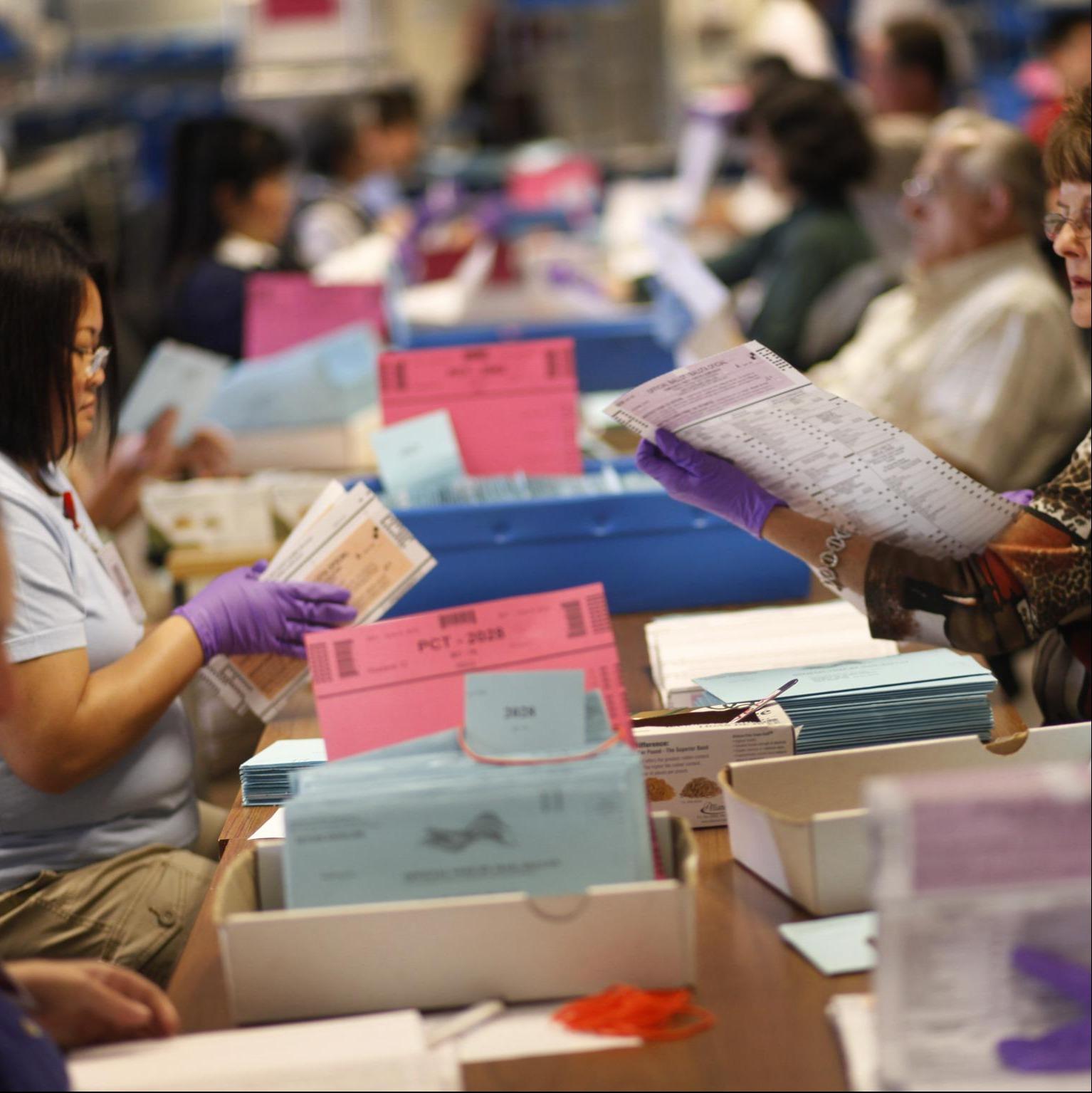
Another transformative change voters will experience is the availability of no-excuse absentee voting. Following the passage of a statewide ballot measure in November 2024, any registered voter in Connecticut can now request a mail-in ballot without providing a specific reason, such as illness or travel. Governor Ned Lamont signed the implementing legislation into law in May 2026, officially ending the old, more restrictive system. Any voter can apply for an absentee ballot online through the Secretary of the State's portal or via a paper application. This aligns Connecticut with the majority of other states and is intended to make voting more accessible for those with childcare duties, inflexible work schedules, or transportation challenges.
Always Check Your Local Ballot
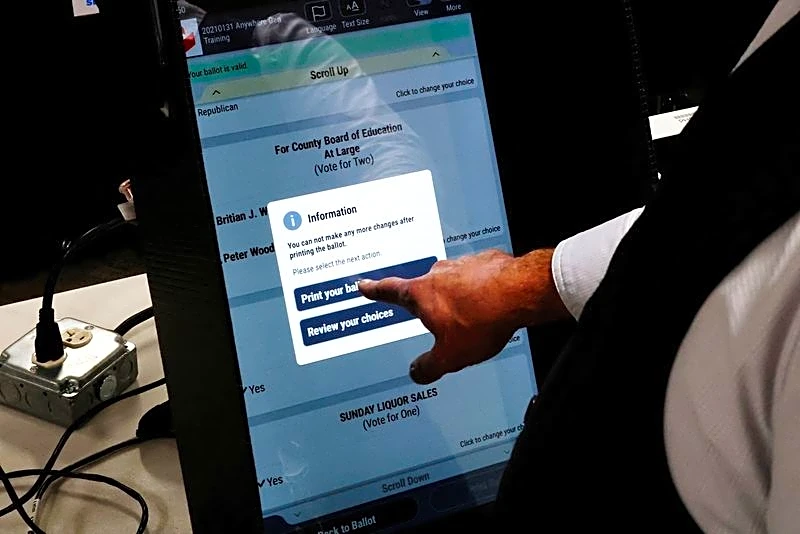
While the statewide ballot may not feature any referendum questions, that does not mean your ballot will be free of them. Many municipalities use general elections to ask voters to approve local initiatives. These can range from charter revisions and school construction bonds to local budget overrides and land use proposals. These questions can have a direct and immediate impact on your community and property taxes. Because these vary from town to town, it is crucial for voters to check for a sample ballot before heading to the polls. These are typically made available on your town's website or through the Secretary of the State's office a few weeks before the election.