




Federal Offices: Washington Power
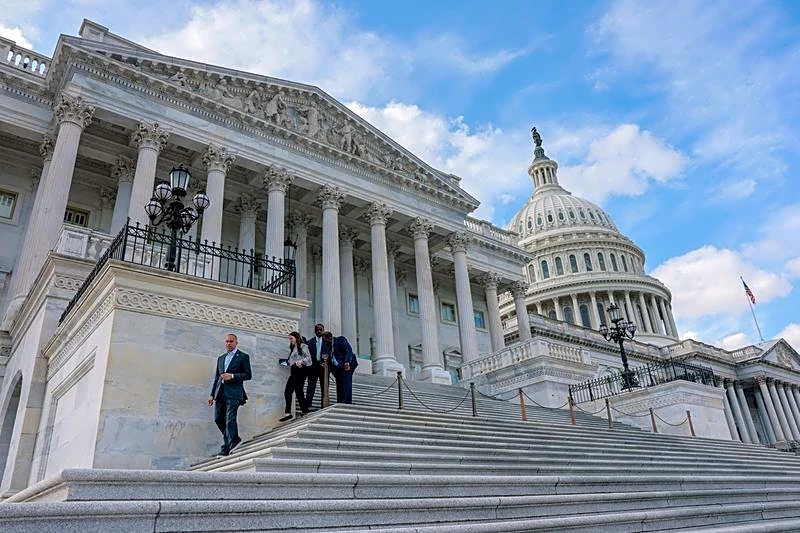
Massachusetts voters will help determine the balance of power in Washington, D.C. by electing one U.S. Senator and nine U.S. Representatives. The U.S. Senate seat, currently held by Democrat Ed Markey, is up for a six-year term. Senators are responsible for confirming federal judges and cabinet members, ratifying treaties, and voting on national legislation that impacts everything from healthcare to environmental policy. In the House of Representatives, all nine of the state's congressional districts will have an election for a two-year term. Your U.S. Representative is your most direct link to the federal government, handling constituent services and voting on laws and the federal budget.
Statewide Constitutional Offices: The Governor's Team
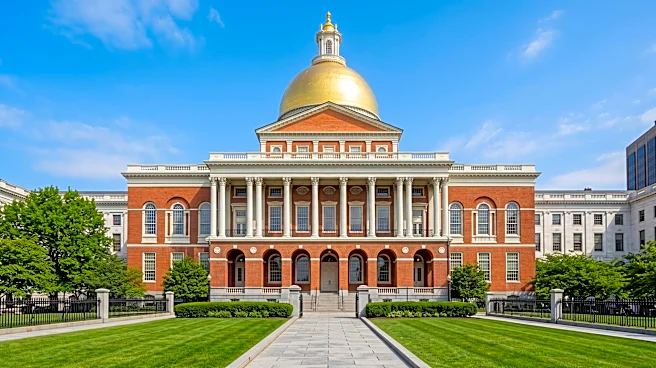
The corner office on Beacon Hill is up for grabs, as
the four-year terms for Governor and Lieutenant Governor expire. The Governor is the state's chief executive, responsible for signing bills into law, vetoing legislation, appointing agency heads, and drafting the state's annual budget. The Lieutenant Governor serves as the deputy and presides over the Governor's Council. These elections set the primary direction and priorities for the state government, influencing everything from economic development to transportation infrastructure.
Statewide Constitutional Offices: The People's Lawyer and More
Several other crucial statewide positions are on the ballot for four-year terms. The Attorney General is the state's chief lawyer and law enforcement officer, advocating for consumers, protecting civil rights, and prosecuting major crimes. The Secretary of the Commonwealth (also known as Secretary of State) is the chief elections officer, overseeing all state elections, voter registration, and the public records archive. The Treasurer manages the state's finances, including pensions and the lottery. Finally, the Auditor serves as the state's watchdog, conducting audits of state agencies and programs to ensure accountability and expose waste.
The State Legislature: Your Local Voice on Beacon Hill
Every seat in the Massachusetts State Legislature is up for election every two years. This includes all 40 State Senators and all 160 members of the House of Representatives. These are the lawmakers who represent your specific district on Beacon Hill. They write, debate, and vote on state-level laws concerning education funding, local aid for your town, public health, and criminal justice reform. Because they represent smaller, more local districts than statewide or federal officials, they are often the most accessible elected officials for addressing community-specific issues.
Judicial and County Offices: Local Power Players
Don't overlook the down-ballot races, as they hold significant power. The Governor's Council, comprising eight elected members, has the critical role of confirming the governor's judicial nominations. If you care about the direction of the state's courts, this is a vital election. District Attorneys are also on the ballot in their respective districts for four-year terms. As the chief prosecutors for a county or region, they decide which criminal cases to pursue and have immense influence over criminal justice policy at the local level. Depending on your county, offices like Register of Probate and County Commissioner may also appear on your ballot.
Ballot Questions: Direct Democracy
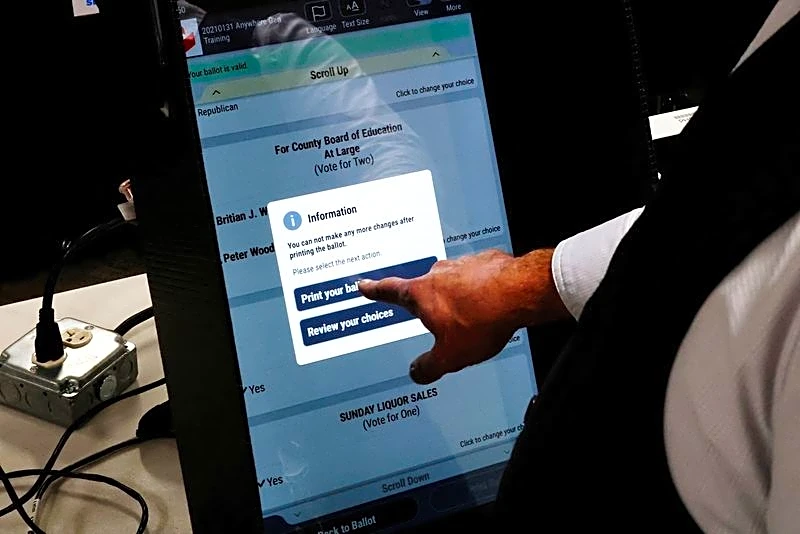
Massachusetts voters will also weigh in directly on several important policy issues through binding ballot questions. For 2026, there will be nine statewide questions on the ballot. These initiative petitions cover a wide range of topics, including potentially significant changes to the state's public records laws, collective bargaining rights for public defenders, and an overhaul of the state's primary election system. These questions give voters the final say on complex laws, making it crucial to study the details and understand the arguments for and against each one.