

Federal Power: A Senate Seat and Both House Districts
At the federal level, West Virginia voters will make decisions that shape national policy. The most prominent race is for the U.S. Senate, where incumbent Republican Shelley Moore Capito’s seat is up for election. Senators serve six-year terms and hold immense influence over federal laws, judicial appointments, and national budgets. First elected to the Senate in 2014, Capito is seeking a third term. In addition to the Senate race, all members of the U.S. House of Representatives face voters every two years. This means both of West Virginia's congressional districts will have elections, determining who will represent local interests in the nation's capital for the next term.
Shaping State Law: The West Virginia Legislature
Control of the West Virginia Legislature will also be decided in 2026.
Every single one of the 100 seats in the House of Delegates is on the ballot. Delegates serve two-year terms, making them highly accountable to the voters in their districts as they craft and pass state laws. In the State Senate, where members serve four-year staggered terms, half of the 34 seats are up for election. These legislative races are crucial, as the winners will tackle everything from the state budget and education policy to infrastructure and economic development, directly impacting the daily lives of all West Virginians.
The Judiciary: Nonpartisan Court Races
The 2026 ballot will also feature important, nonpartisan judicial elections. Two seats on the state's highest court, the Supreme Court of Appeals, were on the ballot earlier in the year during the May primary. Additionally, a seat on the Intermediate Court of Appeals was decided. While those statewide races are settled, voters will still see races for circuit court judges, family court judges, and magistrates on their November ballot, depending on their location. These judges make rulings that affect families, property, and public safety, making their elections a critical, if often overlooked, part of the process.
Important Note: What's Not on the Ballot
It is just as important to know which offices are not up for election in 2026. West Virginia elects its statewide constitutional officers during presidential election years. This means you will not see races for Governor, Secretary of State, Attorney General, Auditor, Treasurer, or Commissioner of Agriculture on your 2026 ballot. The next election for these key executive branch positions will be in 2028.
At the Local Level: Finding Your County and City Races
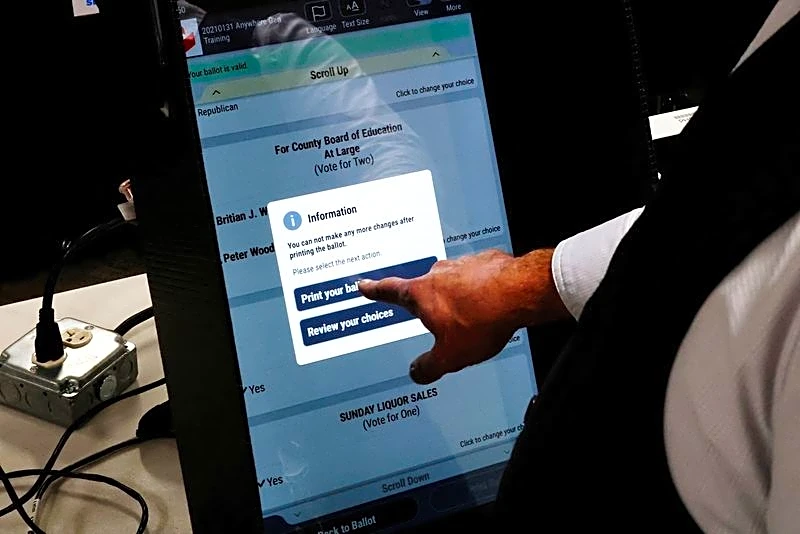
The phrase "every office" truly comes to life at the local level, where ballots can diverge significantly from one county to the next. In November, voters will encounter a wide array of hyper-local races, which could include county commissioners, board of education members, conservation district supervisors, and various municipal offices like mayor and city council. Because these positions vary so widely, it is not possible to list them all here. The most effective way to see exactly which local offices and candidates will appear on your specific ballot is to visit the West Virginia Secretary of State's website or contact your local county clerk's office as the election draws nearer.