




Federal Representation
Oklahomans will have their say on the state's voice in the U.S. capital. All five of Oklahoma’s seats in the U.S. House of Representatives are up for election, as each representative serves a two-year term. These officials vote on federal laws, budgets, and national policy issues that directly impact life in the state. Additionally, one of Oklahoma's two U.S. Senate seats will be on the ballot. Senators serve six-year terms and hold significant power, confirming presidential appointments and ratifying treaties, making this a high-stakes contest.
Statewide Executive Leadership
The entire executive branch of Oklahoma's state government is on the ballot. This includes the state's top job, Governor, who serves as the chief executive responsible for signing or vetoing state laws
and managing state agencies. Voters will also choose a Lieutenant Governor, Attorney General (the state's top lawyer and law enforcement officer), State Treasurer, and State Auditor and Inspector. Also on the ballot are the Superintendent of Public Instruction, who oversees public schools; the Commissioner of Labor, who deals with workplace safety and wage laws; and the Insurance Commissioner, who regulates the insurance industry. These roles shape everything from state finances to education policy.
The Corporation Commissioner
While considered a statewide executive office, the Oklahoma Corporation Commission warrants its own mention due to its unique and powerful role. Voters will elect one of the three commissioners, who serve staggered six-year terms. This body regulates crucial state industries, most notably public utilities. Its decisions directly influence the electricity, natural gas, and telecommunications rates that Oklahomans pay, making this a critically important, though often overlooked, race.
The State Legislature
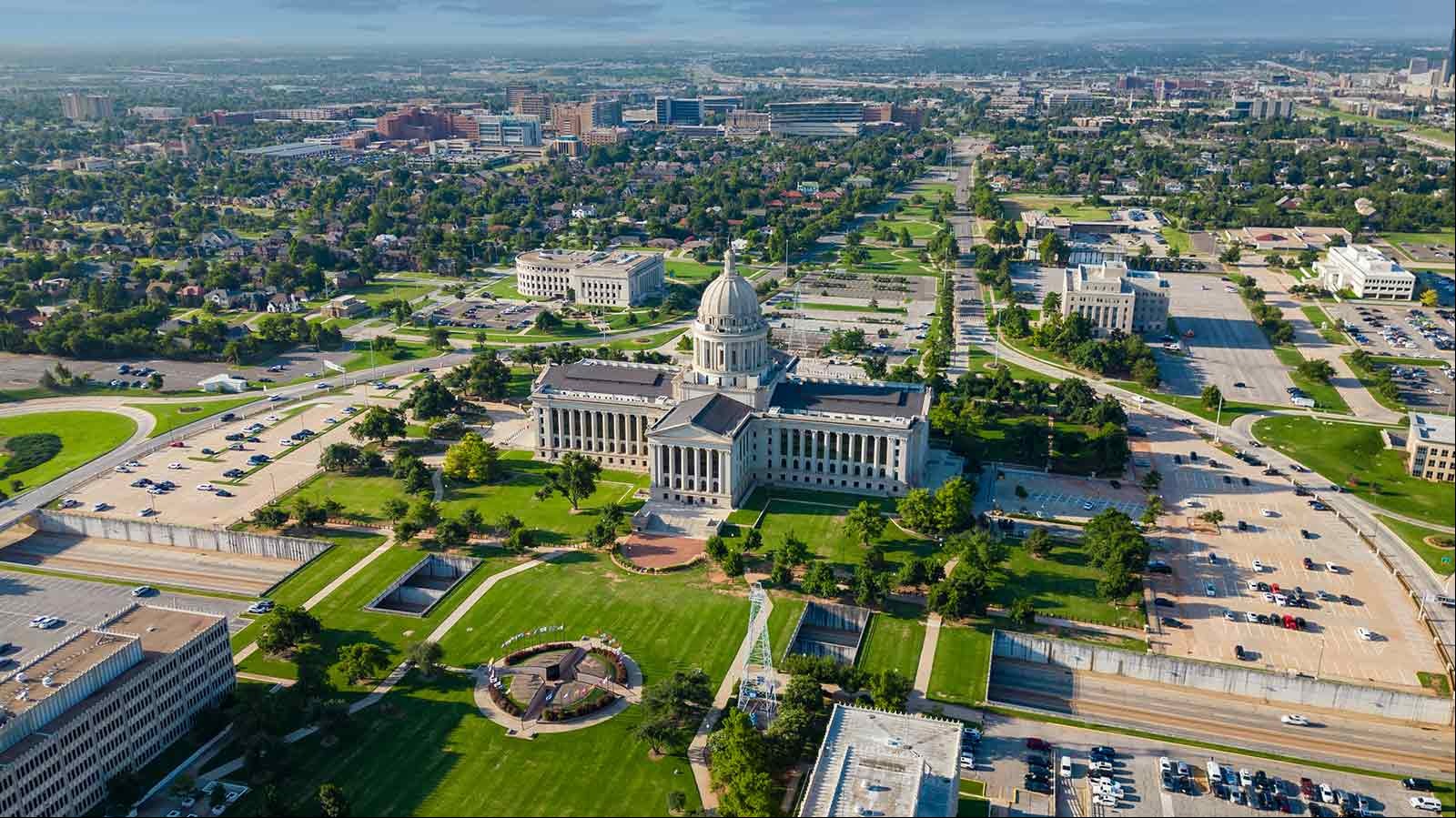
The bodies that create state laws, the Oklahoma Legislature, will be fully or partially renewed. All 101 seats in the Oklahoma House of Representatives are up for election, as they serve two-year terms. In the Oklahoma State Senate, which has 48 members serving staggered four-year terms, the 24 even-numbered districts will be on the ballot. These are the lawmakers who write, debate, and pass the laws that govern the state, controlling the budget, taxes, and public services.
Judicial Retention and Elections
Voters will also shape the state's judiciary. Justices on Oklahoma's two courts of last resort—the Supreme Court and the Court of Criminal Appeals—will appear on the ballot for retention elections. In these yes-or-no votes, the public decides if a judge should keep their seat for another term. Judges on the Court of Civil Appeals face similar retention votes. Separately, there will be nonpartisan elections for District and Associate District Judge positions, the trial court judges who preside over civil and criminal cases across the state.
County and Local Offices
While statewide races draw the most attention, critical local governance is also decided in 2026. Depending on the county, voters will see offices like County Commissioner, County Assessor, County Sheriff, and County Treasurer on their ballots. These officials are responsible for maintaining local roads, determining property values for tax purposes, and managing county finances. Their work has a direct, daily impact on residents' lives.
State Questions
Finally, Oklahomans will vote directly on policy through at least two statewide referendums: State Question 845 and State Question 847. State questions allow citizens to amend the state constitution or create new laws, bypassing the legislature entirely. SQ 845, for example, proposes changes to how members of the Judicial Nominating Commission are selected. These ballot measures can bring about significant changes to state governance and policy.