





Federal Offices: U.S. Senate and House
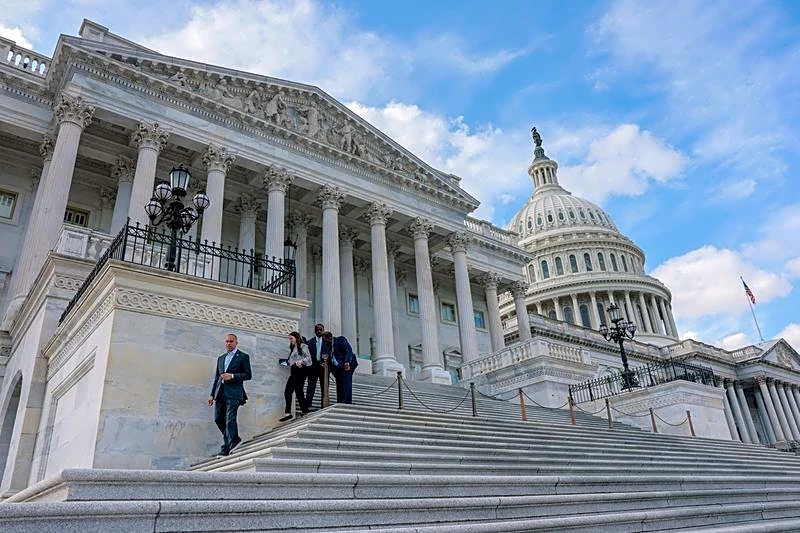
New Mexicans will vote for representatives at the highest level of the federal government. One of the state's two U.S. Senate seats, currently held by Democrat Ben Ray Luján, is up for election for a full six-year term. Additionally, all three of New Mexico's seats in the U.S. House of Representatives will be on the ballot. Representatives are elected to two-year terms and serve as the most direct link between local communities and Congress, influencing national laws and federal funding for the state.
Statewide Executive Offices: Governor and More
The top job in the state, the Governor, is open in 2026, as incumbent Michelle Lujan Grisham is term-limited. This office holds immense power over state laws, the budget, and executive agencies. Voters will also choose a Lieutenant Governor, who
runs on a ticket with the governor. Other crucial statewide executive positions on the ballot include the Attorney General, who serves as the state's top lawyer and law enforcement officer; the Secretary of State, who oversees elections; the State Auditor; the State Treasurer; and the Commissioner of Public Lands, who manages state-owned land and its resources.
The State Legislature: Every House Seat
Every single one of the 70 seats in the New Mexico House of Representatives is up for election in 2026. State representatives, who serve two-year terms, are responsible for creating, debating, and voting on state laws that affect everything from education and healthcare to taxes and infrastructure. Their decisions have a direct and daily impact on the lives of all New Mexicans. While the State Senate operates on staggered four-year terms and is not scheduled for a regular election, there is a special election for the State Senate District 33 seat.
The Judicial Branch: Supreme Court and Appeals Court
Judicial elections are often overlooked but are critically important. In 2026, two justices on the New Mexico Supreme Court and at least two judges on the New Mexico Court of Appeals will face retention elections. In a retention election, voters decide "Yes" or "No" on whether to keep a judge in office for another term, rather than choosing between candidates. These judges interpret state laws and have the final say on major legal and constitutional questions, shaping justice across the state. The New Mexico Judicial Performance Evaluation Commission provides non-partisan information to help voters make these decisions.
Local Elections: County and District Races
While statewide races get the headlines, your ballot will also be filled with crucial local offices that vary depending on where you live. These can include seats on the County Commission, which functions as the local government for your area, as well as County Sheriff, County Assessor, and Magistrate Judge positions. Furthermore, numerous District Court judge positions will be up for partisan and retention elections across the state's judicial districts. The Public Education Commission, which oversees charter schools and certain aspects of public education, will also have several seats on the ballot. These local officials make decisions that directly affect your community's safety, property taxes, schools, and court systems.