

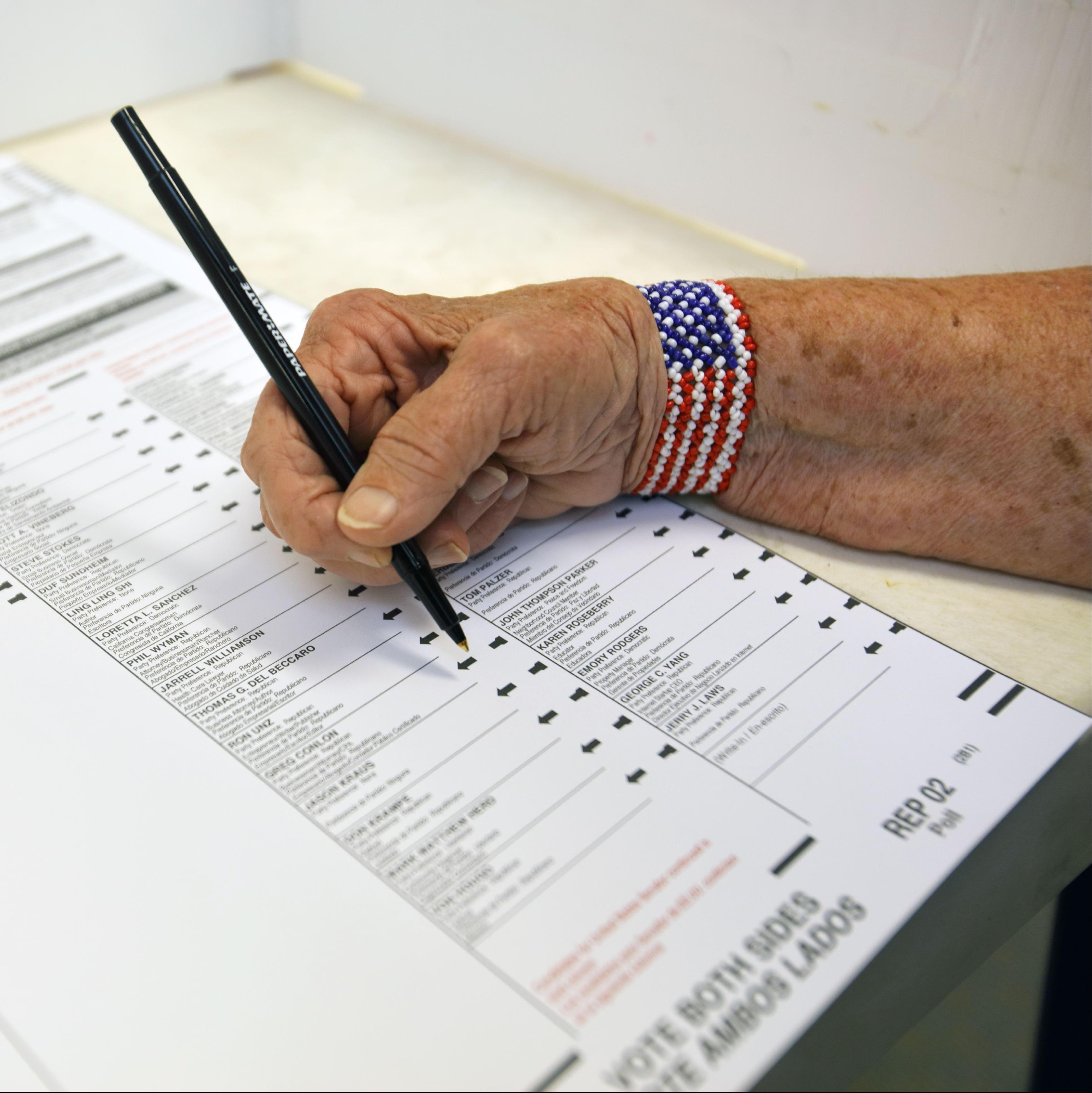






Five Amendments Targeting Property Taxes
A significant portion of the ballot is dedicated to property tax adjustments. Amendment 1 would allow the surviving spouse of a disabled veteran to transfer a special homestead exemption to a new primary residence one time. Amendment 6 gives local parishes the option to offer an increased property tax exemption for homeowners as they age, starting at 65. Amendment 9 proposes raising the income cap from $100,000 to $150,000 for homeowners to qualify for a property tax assessment freeze, which prevents their tax bill from rising with property values. Amendment 10 would permit tax exemptions for owners who rehabilitate blighted properties. Finally, Amendment 2 would grant local taxing authorities more flexibility in setting property tax rates,
allowing them to adjust rates up to a pre-approved maximum without another public vote.
Amendment 4: A Lifetime Limit for Governors
One of the most significant proposals, Amendment 4, seeks to change the rules for the state's highest office. Currently, a governor can serve two consecutive four-year terms but can run again after sitting out for at least one term. A 'yes' vote on this amendment would impose a lifetime limit of two terms, total. This would prevent a former governor, like the late Edwin Edwards who served four non-consecutive terms, from returning to office after reaching the two-term cap. Proponents argue this ensures fresh leadership, while opponents suggest it unnecessarily limits voter choice. The measure has seen support largely from Republicans and opposition from Democrats in the legislature.
Amendment 3: A Bail Restriction for Certain Convictions
This proposed amendment focuses on public safety and the justice system. It would amend the constitution to prohibit bail for individuals who have been convicted of certain aggravated offenses involving a minor victim. Currently, judges have discretion in these cases. Supporters argue this change is necessary to protect children, some of the state's most vulnerable residents, by ensuring those convicted of the most serious offenses against them cannot remain free pending further legal proceedings. A 'vote against' would maintain the existing system, which allows for the possibility of bail after conviction for these offenses.
Amendment 5: New Rules for Paying Down Pension Debt
Amendment 5 addresses how the state handles its public retirement system debt. The current constitution requires that any nonrecurring state funds, or surplus dollars, must be applied to the oldest outstanding unfunded accrued liability first. A 'yes' vote would remove this restriction, giving the Legislature and the state retirement systems the flexibility to decide which portion of the pension debt to pay down with surplus money. Supporters claim this allows for more strategic financial planning. Critics, however, may prefer the current rule, which ensures the longest-standing debts are addressed first.
Water Lines and Foreign Land Ownership
Two other amendments address modern infrastructure and security concerns. One would authorize the use of public funds to help private property owners identify and replace lead drinking water service lines, aligning with new EPA rules. This aims to expedite the removal of hazardous materials from the state's water supply. Another amendment would prohibit the expropriation, or government seizure, of property by a foreign adversary or their agent. This measure is framed as a protection against foreign influence and control over Louisiana land.