




Federal Offices: Your Voice in Washington
Iowans will help determine the balance of power in the nation's capital by voting on key federal positions. One of the state's two U.S. Senate seats is on the ballot, a significant race as senators serve six-year terms and influence national policy, judicial appointments, and foreign affairs. The seat is currently held by Republican Joni Ernst, who is not seeking a third term. Additionally, all four of Iowa's seats in the U.S. House of Representatives are up for election. Representatives serve two-year terms, acting as the most direct link between your community and the federal legislature, voting on laws and budgets that impact everything from healthcare to transportation.
Statewide Executive Offices: Leading Iowa
The entire slate of Iowa's statewide executive offices is up for grabs
in 2026. These officials, who all serve four-year terms, manage the day-to-day operations of the state government. The headline race is for Governor, the state's chief executive responsible for signing bills into law, managing the state budget, and overseeing state agencies. Iowans will also elect the Lieutenant Governor, who runs on a joint ticket with the Governor. Other crucial roles on the ballot include the Attorney General, the state's top lawyer and law enforcement officer; the Secretary of State, who oversees elections and business filings; the Treasurer, who manages the state's finances; the Auditor, who ensures public funds are spent properly; and the Secretary of Agriculture, a key position in a state so vital to the nation's food supply.
The General Assembly: Crafting State Law
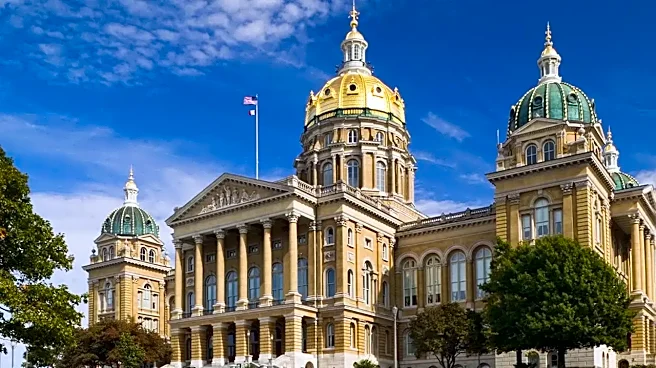
Voters will decide the composition of the entire Iowa state legislature. All 100 seats in the Iowa House of Representatives are on the ballot, as its members serve two-year terms. In the Iowa Senate, which consists of 50 members serving four-year staggered terms, half of the seats (25) will be up for election. These state lawmakers are responsible for creating, debating, and voting on Iowa's laws, setting the state budget, and approving state-level appointments. The representatives and senators elected in 2026 will make decisions affecting education, taxes, infrastructure, and social policies across the Hawkeye State.
The Judiciary: A Vote of Confidence
Often overlooked, the judicial ballot is a critical part of the election. Iowa uses a merit-based system where judges are appointed and then face periodic retention elections. Voters are asked a simple "yes" or "no" question: should the judge be retained in office? In 2026, Iowans will vote on the retention of numerous judges, including three on the Iowa Court of Appeals. Justices of the Supreme Court serve eight-year terms, while Court of Appeals and District Court judges serve six-year terms before facing a retention vote. This vote is your opportunity to hold the judicial branch accountable based on its performance and competency.