





Initiative 88: The Voter's Choice Act
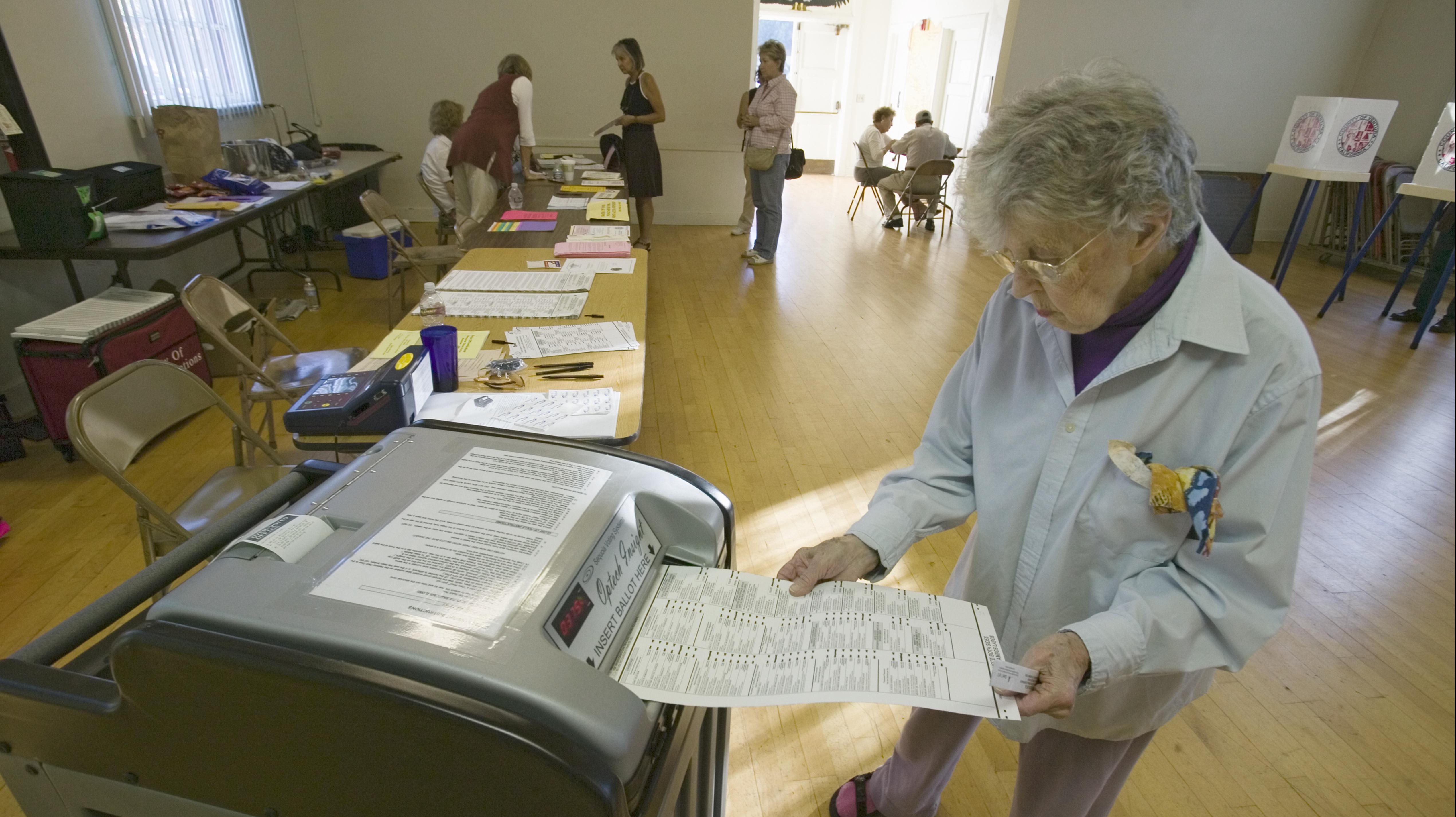
This initiative aims to finish what a previous measure started by allowing the District's tens of thousands of independent voters to participate in primary elections. While D.C. adopted ranked-choice voting after a 2024 vote, the portion of that law that would have created 'semi-open' primaries was not funded by the D.C. Council. Initiative 88 would mandate the funding and full implementation of open primaries, giving unaffiliated voters a say in the party contests that often decide the winner in deep-blue Washington. A 'yes' vote supports opening partisan primaries to independent voters. A 'no' vote maintains the current system, where only voters registered with a specific party can vote in that party's primary. Supporters argue this is a fundamental
fairness issue, giving a voice to a huge and growing bloc of taxpayers who are otherwise shut out of the most consequential local elections. Opponents, including some party leaders, contend that primaries are meant for party members to select their own standard-bearers and that allowing outsiders to participate could dilute the party's platform and lead to strategic, disingenuous voting.
Initiative 89: The Service Industry Stability Act
This measure addresses the city’s ongoing transition away from the tipped minimum wage. In 2022, voters approved a gradual phase-out of the 'tip credit,' which allows employers to pay a lower base wage to staff who earn tips. That transition is scheduled to complete in 2027, when all employees, tipped or not, must be paid the full standard minimum wage. Initiative 89 proposes to pause the final wage increase and permanently install a two-tiered system, arguing it's needed to prevent further restaurant closures and job losses. A 'yes' vote would halt the final planned increase in the base wage for tipped workers. A 'no' vote would allow the original plan to proceed, eliminating the tip credit entirely in 2027. Proponents of the initiative, largely restaurant owners and industry groups, claim that rising labor costs are unsustainable and have led to higher menu prices and reduced staff hours. Opponents, including many labor advocates, argue that a single, fair wage for all workers provides predictable pay and reduces reliance on the whims of customer tipping, and that rolling back the planned increase would betray the clear will of voters.
Initiative 90: The Automatic Voter Registration Expansion Act
Building on D.C.’s existing automatic voter registration (AVR) system, this initiative would upgrade the process to a 'back-end' model. Currently, when residents interact with an agency like the DMV, they are automatically registered to vote unless they opt out during the transaction. This measure would shift the process: the agency would send the resident's information to the Board of Elections, which would then mail a notification giving the person a chance to decline registration. If they don't respond, they are automatically added to the voter rolls. A 'yes' vote supports creating this more streamlined, back-end AVR system. A 'no' vote keeps the current front-end opt-out system in place at government agencies. Advocates say this change is proven to increase registration rates, particularly among young people and marginalized communities, by making it a nearly seamless process. They argue it makes voter rolls more accurate and secure. Some critics raise concerns about government overreach and the potential for errors in data transfer, preferring a system where individuals must take a more active role in opting in or out of registration at the point of service.