

The Midterm Trough: 2010 and 2014
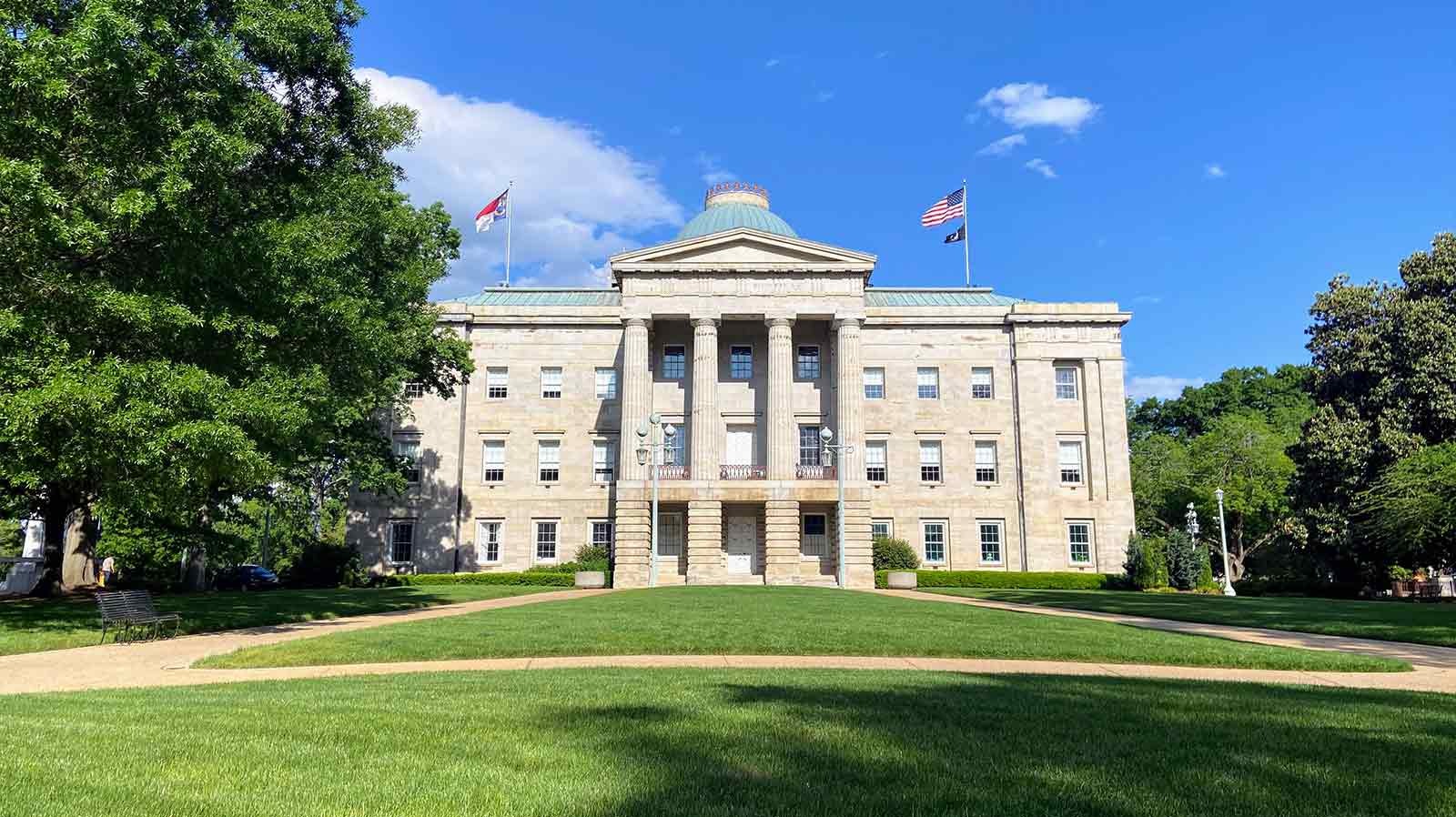
The period began at a low point for engagement. The 2010 midterm election, which nationally saw a 'Red Wave' of Republican victories, had a relatively low turnout in North Carolina of just 43.6%. Four years later, in the 2014 midterms, participation was similarly lackluster at 44%, even with a high-stakes, narrowly decided U.S. Senate race between Kay Hagan and victor Thom Tillis. These non-presidential years followed a predictable pattern: without the top of the ticket to drive interest, a significant portion of the electorate stayed home. In 2010, Republican turnout outpaced Democratic turnout by six points, and in 2014, the slight overall increase was largely driven by newly registered unaffiliated voters. This established a clear baseline
of lower engagement during midterm cycles.
The Presidential See-Saw: 2012 and 2016
Presidential elections consistently brought more voters to the polls. In 2012, as Barack Obama sought re-election, turnout jumped to 68.4%. Though a significant increase over the midterms, this figure was slightly down from the historic 69.5% turnout that helped him win the state in 2008. In a reversal of 2008's outcome, Mitt Romney narrowly won North Carolina in 2012. Four years later, the contentious 2016 election featuring Donald Trump and Hillary Clinton saw turnout hold steady at 69%. While the overall rate was similar to previous presidential cycles, the composition shifted, with a slight dip in Democratic turnout compared to 2012 and an increase for Republicans, helping Trump secure the state by a 3.6% margin.
The 'Blue Wave' and a Historic Peak: 2018 and 2020
The 2018 midterm election shattered previous off-year trends. Spurred by national political dynamics, turnout surged to 53%, a dramatic jump from the 44% seen in 2014. This 'Blue Wave' was driven by a sharp increase in participation from Democrats and unaffiliated voters, particularly younger ones. This enthusiasm carried into 2020, which saw the highest voter turnout in North Carolina's modern history. Amid the COVID-19 pandemic, which prompted a massive expansion of mail-in and early voting, a staggering 75.4% of registered voters cast ballots. Over 5.5 million North Carolinians voted, with in-person early voting becoming the most popular method.
A New Normal? Turnout in 2022 and 2024
Following the 2020 peak, the 2022 midterm turnout settled at 51.1%, lower than 2018 but still significantly higher than the 2010 and 2014 contests, suggesting a new, more engaged baseline for midterms. This election was marked by a notable racial gap, with white voters turning out at a much higher rate than Black voters. The 2024 presidential election saw turnout dip slightly from its record high, coming in at 73.7%. While lower than 2020, it represented the second-highest turnout rate in decades and saw more total ballots cast than ever before due to the state's growing population. The election also saw voters contend with new rules, including a photo ID requirement, yet engagement remained exceptionally high, particularly among older voters.