

The State: Setting the Rules
At the highest level, the framework for Pennsylvania's elections is established by state law, which is passed by the General Assembly and signed by the Governor. The day-to-day oversight falls to the Department of State, which is led by the Secretary of the Commonwealth. This official, appointed by the governor, serves as the state's chief election officer. The department's key roles include maintaining the statewide voter registration database (known as the SURE system), certifying voting equipment for use across all counties, and issuing guidance to ensure uniform application of election laws. While the state sets the overarching rules, it does not run the physical process of voting. Instead, it provides the guardrails and resources for the counties to do their
job. After the counties count and certify their results, the Secretary of the Commonwealth tabulates the returns and presents them to the governor for final certification.
The Counties: The Primary Administrators
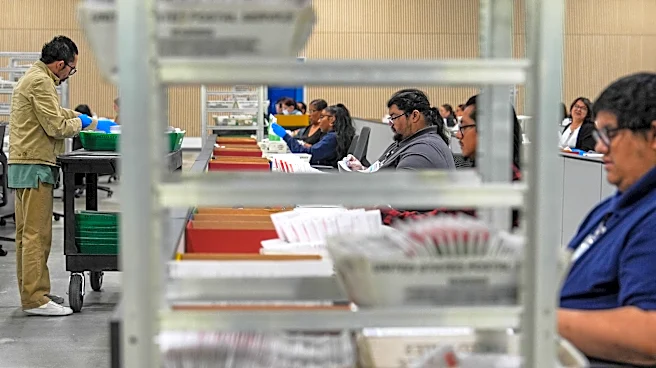
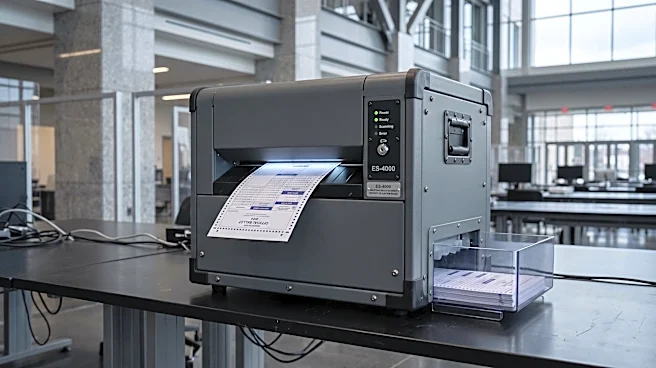
The core of election administration in Pennsylvania happens at the county level. Each of the state's 67 counties has a board of elections, which holds the primary responsibility for conducting primaries and general elections. In most counties, this board is composed of the elected county commissioners. These boards make critical decisions, such as where to place polling locations and whether to use mail-in ballot drop boxes. They hire a full-time election director to manage the daily operations, which is a massive logistical undertaking. County responsibilities include processing voter registrations, printing and distributing all ballots (both for in-person voting and mail-in voting), training poll workers, and managing all the equipment, from voting machines to ballot boxes. On election night and in the days that follow, it is the county that is responsible for the secure counting, canvassing, and initial certification of every vote cast.
The Precinct: Your Neighbors at the Polls
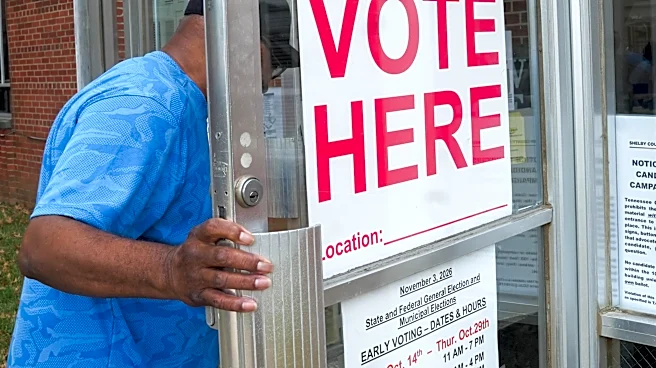
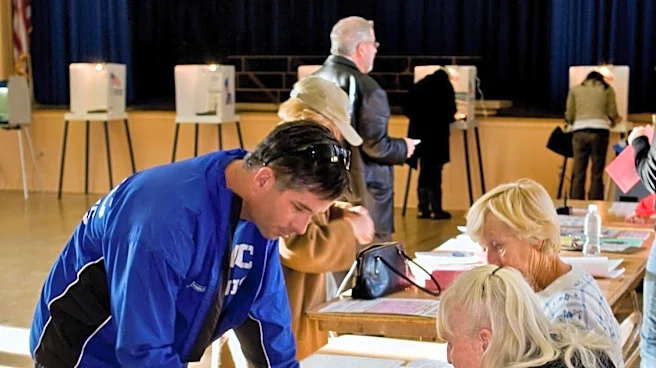
On Election Day, the process is managed by people from your own community. At each of the thousands of local polling places, a precinct-level team ensures voting proceeds smoothly. This team is led by a Judge of Elections, an elected position responsible for the overall management of the site. The Judge of Elections handles any problems that may arise, from machine malfunctions to voter eligibility questions, and is responsible for returning all ballots and materials to the county office at the end of the night. Assisting the judge are the Majority and Minority Inspectors, also elected officials, who represent the top two political parties and manage tasks like checking in voters from the pollbooks. These officials, along with other volunteer poll workers, are the frontline of American democracy, with nearly 50,000 Pennsylvanians stepping up to fill these roles in a given election.
The Courts: The Ultimate Referees
When disputes arise over the interpretation of Pennsylvania's extensive election code, the judicial system often steps in to act as a referee. Lawsuits over issues like ballot deadlines, signature matching, or how certain ballots should be counted are taken to court. County courts, Commonwealth Court, and the Pennsylvania Supreme Court can all play a role in interpreting election law and settling disputes. Their rulings create legal precedent that county election officials must then follow. This judicial oversight provides a crucial check on the process, ensuring that the rules are applied fairly and resolving ambiguities in the law. While state and county officials run the election, the courts have the final say on what the rules actually mean when they are challenged.