






The State's Chief Election Officer
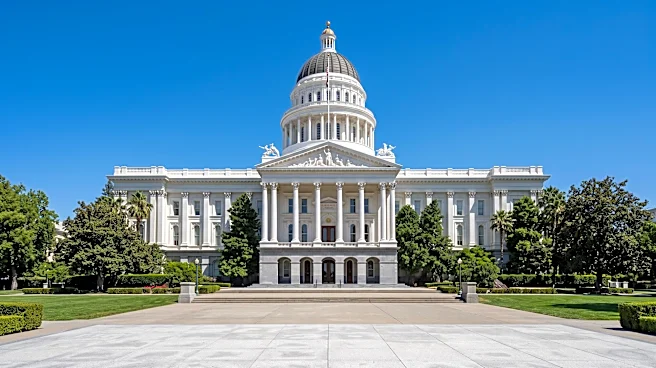
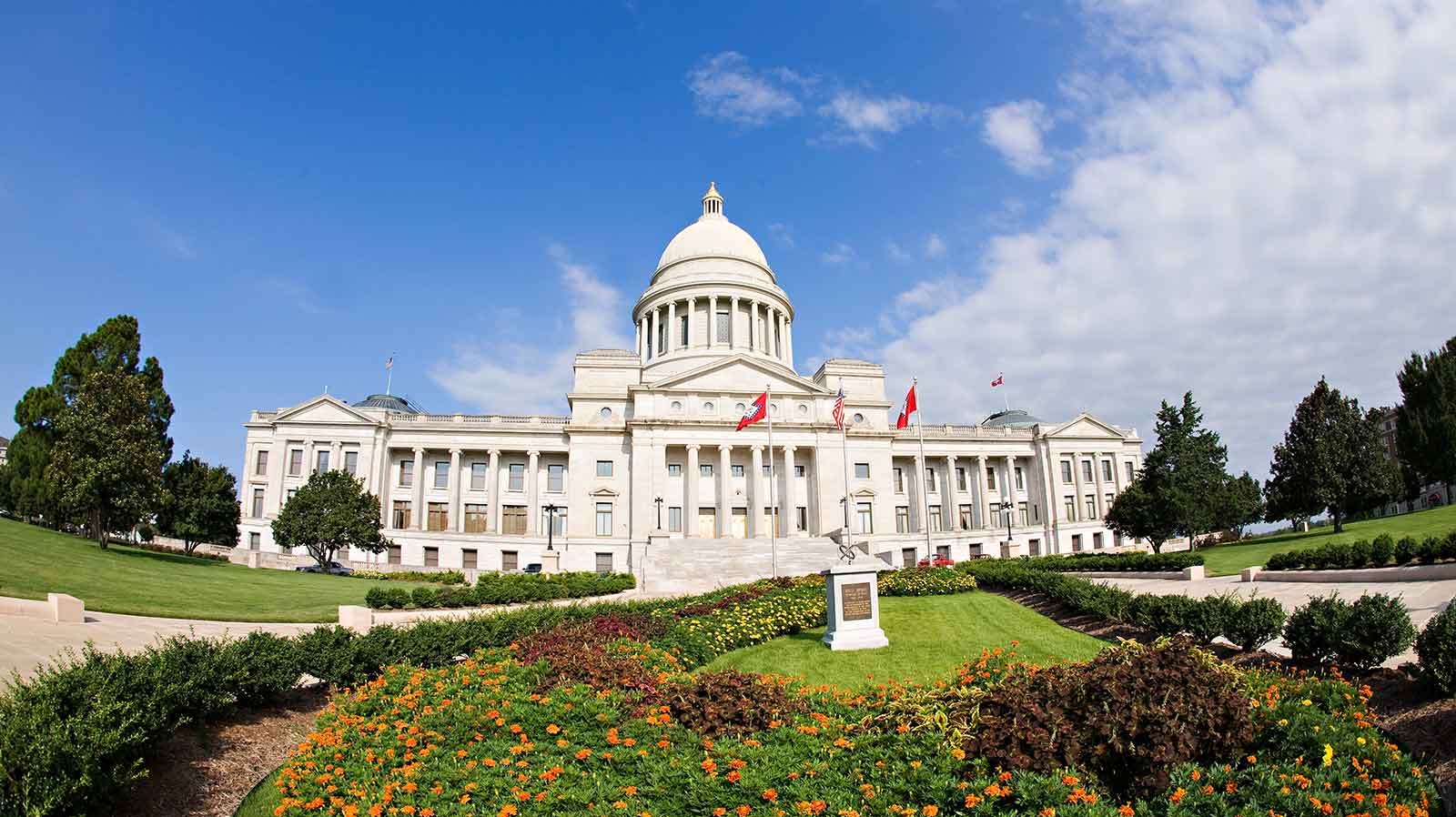
At the top of the pyramid is the Kansas Secretary of State, who serves as the state's chief election officer. This elected official and their office are responsible for administering all national and state elections. Think of them as the coordinators and rule-keepers. Their duties include officially accepting candidate filings for federal and state offices, maintaining the statewide voter registration database, and serving as a central hub for campaign finance reports. While they provide oversight and ensure election laws passed by the Kansas Legislature are followed, they don't handle the nuts and bolts of your local polling place. Their role is to ensure uniformity, integrity, and proper administration across the state.
The Real Action: County Election Officers
The day-to-day, on-the-ground
work of running elections happens at the county level. Each of Kansas's 105 counties has a designated county election officer who is responsible for conducting every official election within their borders. For 101 of these counties, this job belongs to the County Clerk, an official elected by local voters. In the four most populous counties—Johnson, Sedgwick, Shawnee, and Wyandotte—this role is filled by an Election Commissioner who is appointed by the Secretary of State. These local officials handle almost everything a voter interacts with directly. Their responsibilities include managing voter registration rolls, securing polling locations, training poll workers, preparing ballots, and overseeing both advance voting and Election Day operations. If you have a question about where to vote, how to get an advance ballot, or your registration status, your county election officer is the person with the answer.
The Lawmakers and the Watchdogs
While the Secretary of State administers and county officers execute, other bodies play important supporting roles. The Kansas Legislature is responsible for creating and amending the state's election laws. They decide the rules of the game, from voter ID requirements to the deadlines for registration. Separately, the Kansas Public Disclosure Commission (formerly the Governmental Ethics Commission) is charged with interpreting and enforcing the Campaign Finance Act. This body handles the regulations around campaign fundraising, spending, and lobbying, ensuring transparency in how political campaigns are financed. While candidates for state office file their reports with the Secretary of State, the KPDC is the agency that oversees the rules they must follow.
Your Neighbors: The Poll Workers
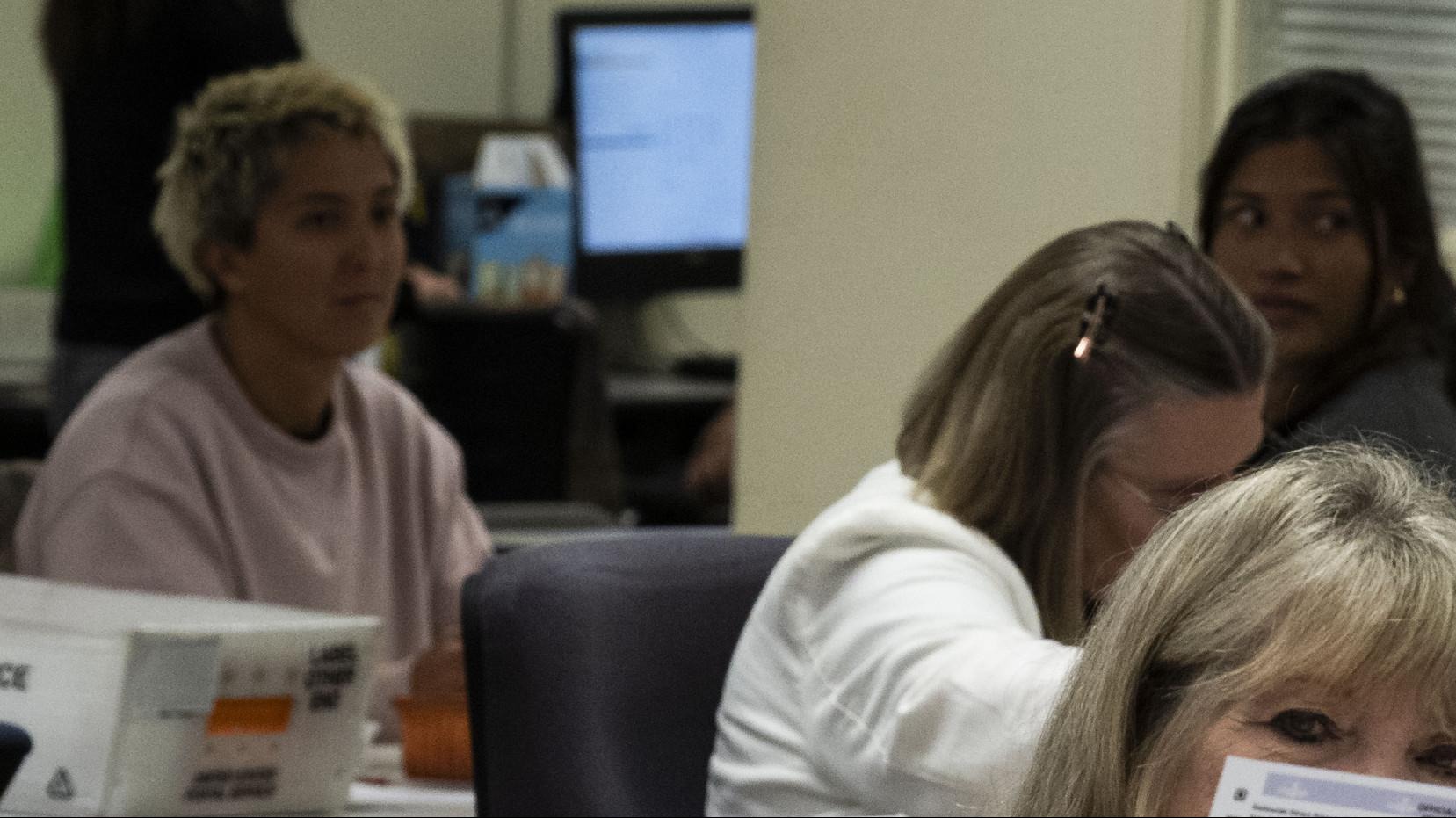
Finally, the entire system relies on thousands of everyday Kansans who step up to be poll workers. These individuals are recruited, appointed, and trained by the county election officer. They are the friendly faces who check you in at your polling place, provide your ballot, answer last-minute questions, and ensure the process runs smoothly on Election Day. They operate the voting equipment, assist voters as needed, and are critical to the successful execution of an election at the most local level. These are often your neighbors and community members who take on a long day of civic duty to ensure every eligible vote is counted correctly and securely. Without them, polling places simply could not open.