


Mark Your Calendar: Key Dates
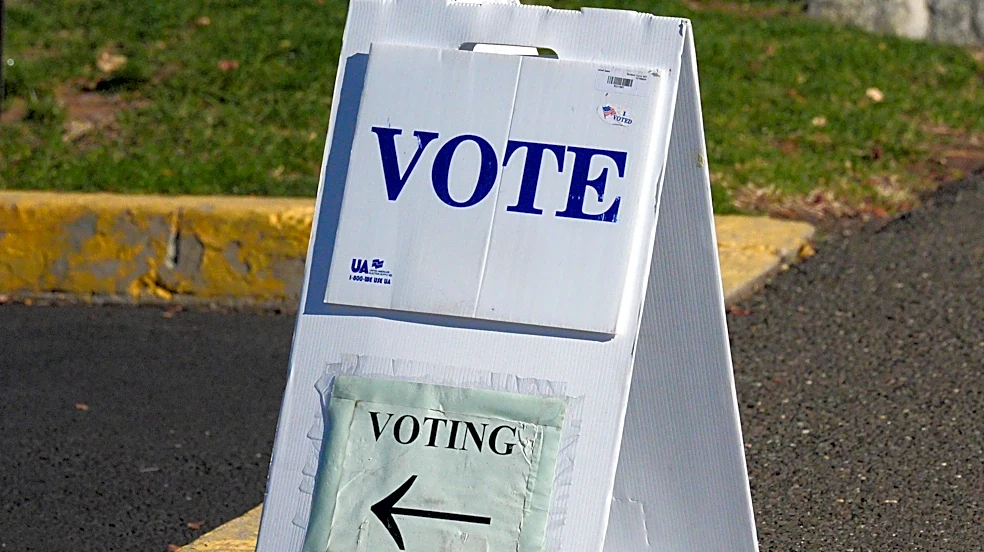
The 2026 Alabama general election will be held on Tuesday, November 3, 2026. Polls are scheduled to be open from 7 a.m. to 7 p.m. This election follows the primary elections that were held on May 19 and subsequent runoffs on June 16. Voters will decide on federal, statewide, legislative, and local races, in addition to several proposed amendments to the state constitution. Alabamians can check their voter registration status, find their polling place, and view a sample ballot through the Alabama Secretary of State's official website.
The Governor's Race and Statewide Offices
With incumbent Governor Kay Ivey term-limited, the race to lead the state is one of the most watched contests. The general election will feature a high-profile matchup between Republican Tommy Tuberville, who is leaving
his U.S. Senate seat to run for governor, and Democrat Doug Jones, a former U.S. Senator. Beyond the governor's mansion, all other major statewide executive offices are up for election. This includes Lieutenant Governor, Attorney General, Secretary of State, State Treasurer, State Auditor, and Commissioner of Agriculture and Industries. The results of these races will determine the entire executive leadership of Alabama's state government.
An Open Seat in the U.S. Senate
Senator Tommy Tuberville's decision to run for governor has created an open-seat race for the U.S. Senate, a key battleground with national implications. The Republican nominee is U.S. Representative Barry Moore, who secured the nomination after a primary runoff. The Democratic nominee is Everett Wess, a Birmingham-area attorney who also won his party's nomination in a runoff. All seven of Alabama's U.S. House of Representatives seats are also on the ballot, alongside every seat in the Alabama State Senate and State House of Representatives.
Proposed Constitutional Amendments
Alabamians will have the final say on several proposed amendments to the state constitution that were passed by the legislature. One amendment proposes a process for filling a vacancy in the lieutenant governor's office via a special election. Another would create a state-level process for consolidating local school districts, which would include a public impact study and the potential for a voter referendum. A third amendment seeks to require the daily recitation of the Pledge of Allegiance in public schools and explicitly authorize student-led prayer. A fourth measure would require public schools to ensure the 'Star-Spangled Banner' is performed at least once a week. Each amendment requires a simple majority to pass.
What's Driving the Debate
Campaigns across the state are being shaped by a core set of issues. The economy, education, and public safety are central themes in nearly every major race. In the gubernatorial contest, for example, the candidates are expected to focus on their plans for economic development and healthcare. The ballot measures themselves have brought school policy to the forefront, with debates over local control, school consolidation, and patriotic and religious expressions in the classroom. Additionally, broader topics like voting rights and criminal justice reform have been significant issues during the legislative session leading up to the election and continue to be part of the political conversation.