





It seems simple: on Election Day, you vote at your assigned polling place. But behind that instruction is a precise, address-based system designed to ensure every voter receives the correct ballot for their specific local and district races.
Your Address Is the Foundation
The entire system of polling place assignment in North Carolina hinges on one key piece of information: your residential address. When you register to vote, the address you provide is used to place you into a series of overlapping electoral districts for local, state, and federal offices. You can't just pick a polling place you like; you are assigned one based on where you live. This is crucial because your address determines which specific races—for city council, county commission, school board, state legislature,
and Congress—you are eligible to vote in. The system is designed to give you a ballot that perfectly matches all the districts covering your home. To be eligible, you must have lived at that North Carolina address for at least 30 days before Election Day.
The Role of Counties and Precincts
The responsibility for managing this process falls to the 100 county boards of elections across the state. Each county is divided into smaller geographic areas called voting precincts. A precinct is the smallest administrative unit for an election. Your residential address places you into one, and only one, of these precincts. These county boards have the power to establish, alter, or create precincts as needed to accommodate population changes and ensure voting is convenient. They are required to maintain updated maps showing these precinct boundaries for public inspection. This local control allows election administration to be tailored to the specific geography and population distribution of each county.
From Precinct to Polling Place
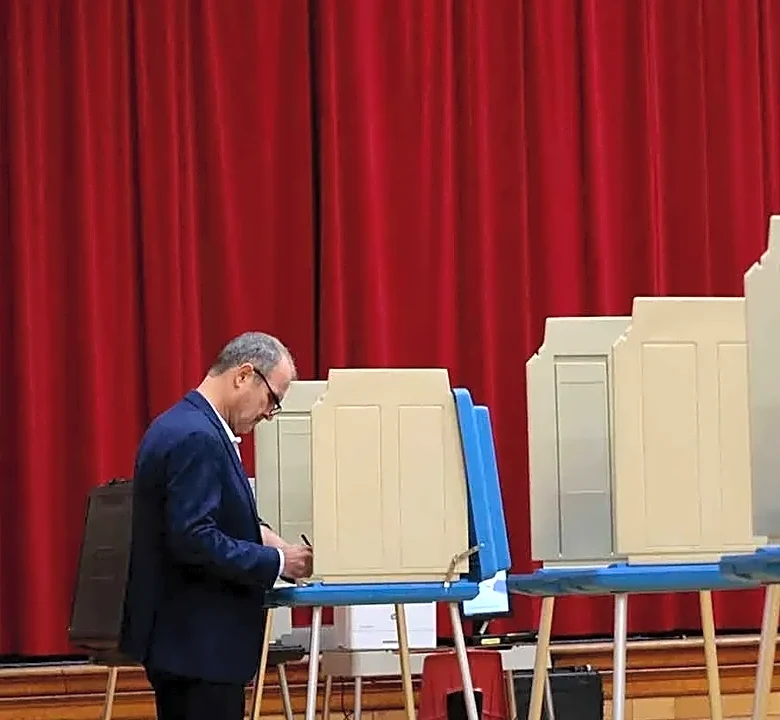
Once you're assigned to a precinct, the next step is assigning that precinct a physical polling place. This is the designated location—often a school, church, or community center—where you go to cast your ballot on Election Day. Each precinct is typically assigned its own unique polling place located within or directly adjacent to the precinct's boundaries. The county board of elections is responsible for selecting these sites, ensuring they are suitable for conducting an election. If a county board needs to change a precinct's polling place, they must provide at least 45 days' notice before the election and mail a notice to every affected voter. On Election Day, you must vote at this specific, assigned location.
What Happens When You Move?
Because your address is the anchor for your voter registration, moving requires you to update your information. If you move within the same county, you should update your address with your county board of elections. You can do this online through the DMV, by mail, or in person. If you move more than 30 days before an election but forget to update your registration, you can still go to the polling place assigned to your new address and vote, though you may need to cast a provisional ballot. If you move to a different county more than 30 days before the election, you must register in your new county. If the move happens less than 30 days before the election, you are legally entitled to vote in the precinct of your old residence.
A Note on Early Voting
The strict 'one-location' rule applies only to Election Day voting. During the in person early voting period, the rules are different and more flexible. Registered voters can cast their ballot at any early voting site located within their county of residence. These sites are established by the county board of elections and may not be the same as Election Day polling places. Early voting is also when you can take advantage of 'same day registration', which allows eligible citizens to register and vote at the same time—a service not available on Election Day itself.