


The State's Chief Election Official
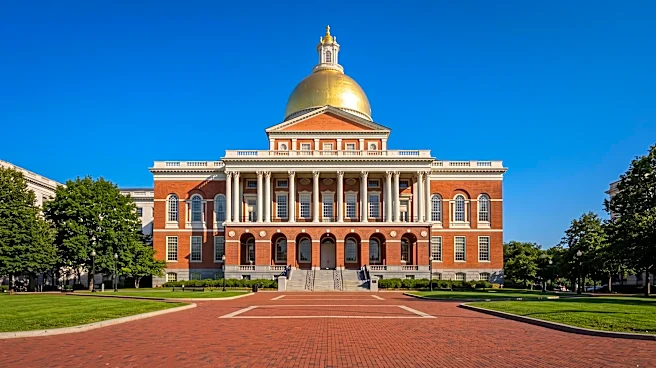
At the very top of the pyramid is the Secretary of the Commonwealth, an independently elected statewide officer. This person serves as Massachusetts's chief election official, similar to a Secretary of State in other states. The Secretary is responsible for overseeing all federal and state elections, from creating the ballots to publishing voter information booklets that get mailed to every household. Their office provides crucial information on voting, candidates, and election law to the public and local officials alike. The current Secretary is William F. Galvin, who has held the office since 1995. While the Secretary sets the overarching rules and procedures, they don't handle the day-to-day administration in every town.
The Elections Division: Setting the Rules
Within the Secretary
of the Commonwealth's office, the real engine room for elections is the Elections Division. This is the department that administers state election laws and ensures uniformity across the Commonwealth. They handle everything from distributing nomination papers for candidates to printing the official ballots used in every precinct. The division is also responsible for public education campaigns, voter registration initiatives, and implementing any new federal election laws. Think of them as the coordinators who make sure every city and town is working from the same playbook, using the same forms, and following the same calendar.
The Local Leaders: City and Town Clerks
If the state sets the rules, it's the 351 city and town clerks who are the real MVPs of on-the-ground election administration. These local officials (or in some cities, a board of election commissioners) are responsible for almost every aspect of running an election in their community. They maintain the official voter lists, process voter registrations, and handle absentee and mail-in ballot applications. Clerks are also in charge of certifying nomination papers for local office, securing polling locations, and ultimately certifying the election results for their municipality. They also take on the crucial role of administering campaign finance law for most local candidates. It’s a massive job that turns these municipal employees into the public's primary point of contact for nearly all voting matters.
On the Ground: Wardens, Clerks, and Poll Workers
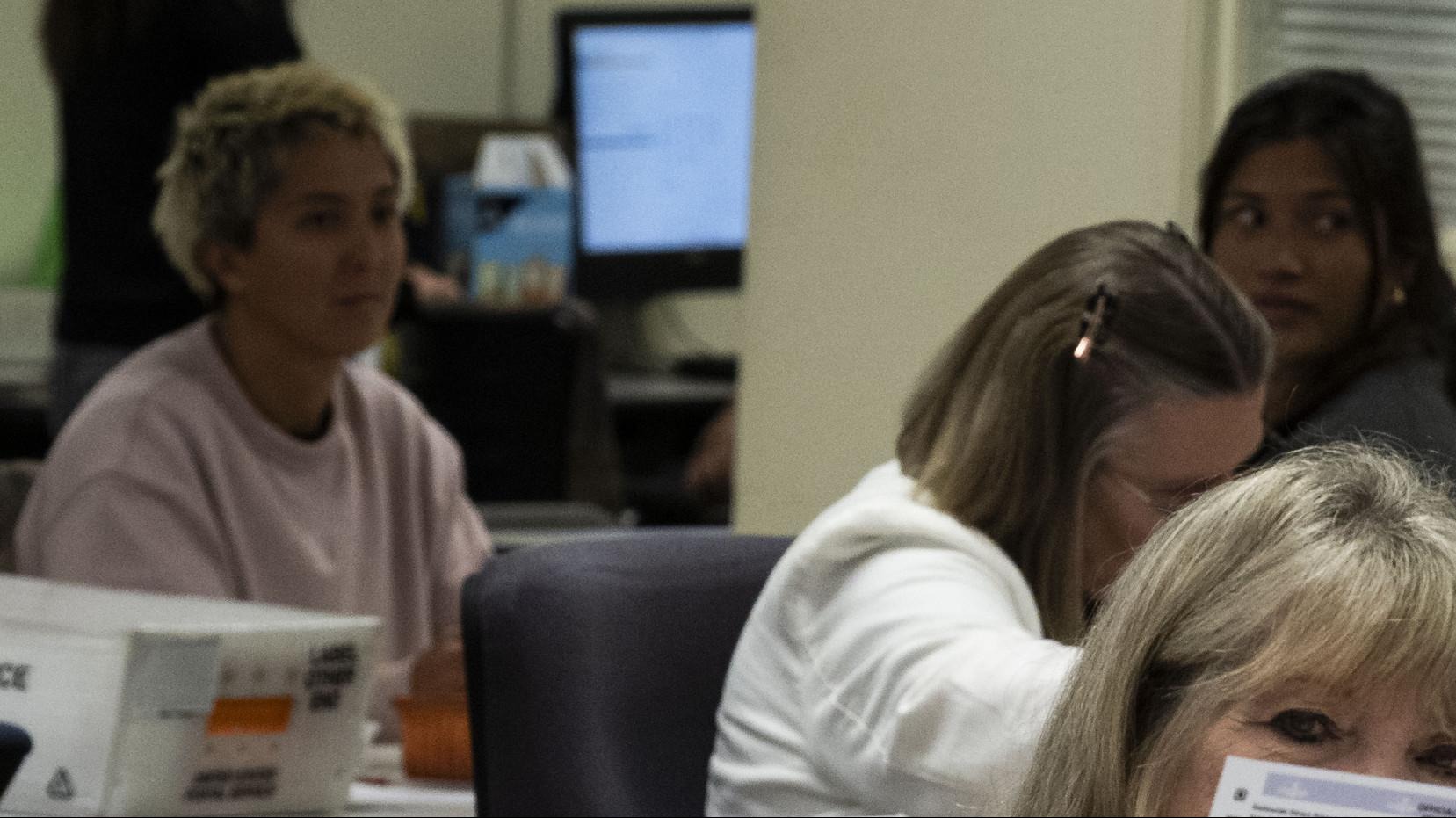
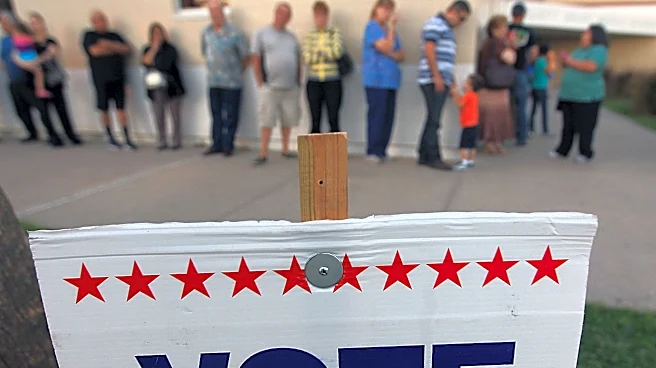
On Election Day itself, an army of temporary election officers, often just called poll workers, takes over. These are the people you meet at your polling place. Each precinct is managed by a team led by a Warden, who is the chief election officer for that specific location, and a Clerk, who maintains the official records of the day. They are assisted by Inspectors, who handle tasks like checking in voters. These poll workers are typically registered voters from the municipality, appointed by the local clerk or election commission, and they represent a balance of political parties to ensure fairness. They are responsible for setting up voting equipment, ensuring voting laws are followed, assisting voters, and securing the ballots for counting at the end of the night.