

The State's Chief Election Officer
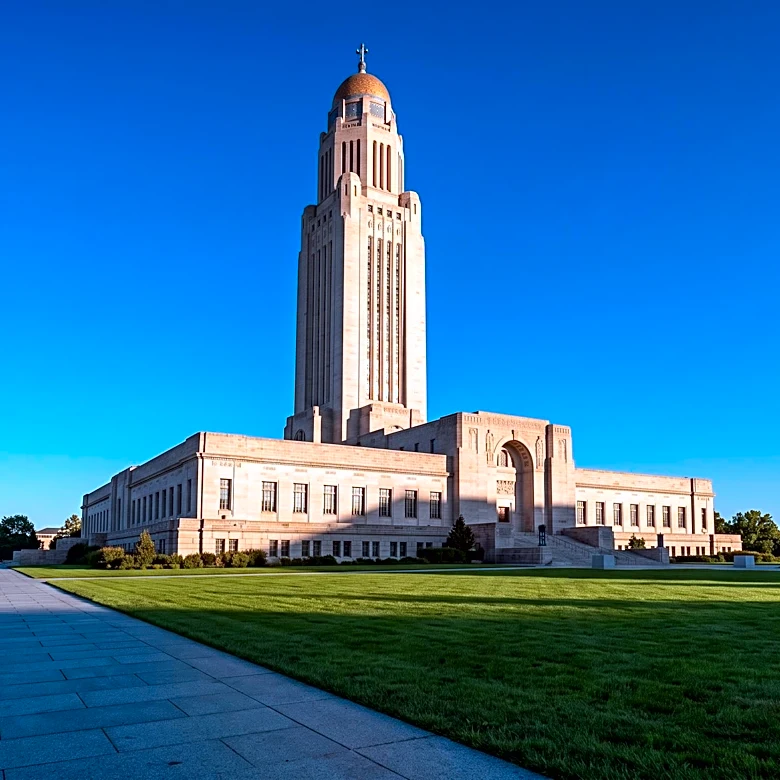
At the top of the pyramid is the South Dakota Secretary of State. This statewide elected official is designated as the state's chief election officer, responsible for ensuring uniformity and consistency in election procedures across all 66 counties. The Secretary of State's office maintains the statewide voter registration database, provides legal guidance on election laws, and trains local election officials. They don't run the day-to-day operations in your local precinct, but they set the rules of the road. The Secretary also chairs the State Board of Elections, a seven-member body that includes county auditors and legislative appointees. This board helps create administrative rules, recommends law changes, and certifies voting equipment,
providing a layer of bipartisan oversight.
The County Auditor: The Local Lynchpin
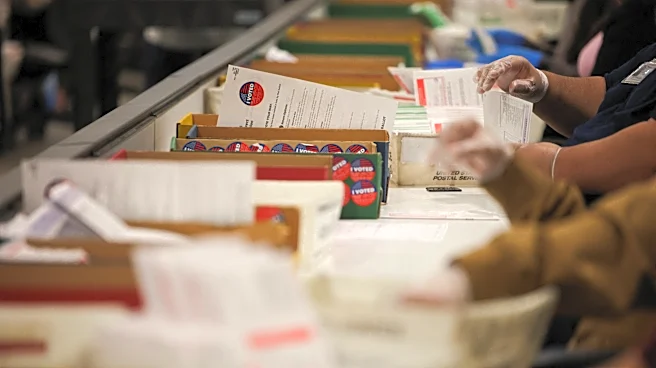
If the Secretary of State is the architect, the County Auditor is the general contractor who builds the election. For voters, this elected county official is the most important administrator. Auditors are responsible for the hands-on, rubber-meets-the-road work of running an election within their county. Their duties are extensive: they handle voter registration, print and test ballots, secure polling locations, and hire and train the temporary army of poll workers needed for Election Day. When you request an absentee ballot, it's the auditor's office that sends it to you. They are the primary, trusted source for local election information, managing everything from the initial public notices of an election to the final county-level canvass of votes.
The Precinct Workers: Your Neighbors on Duty
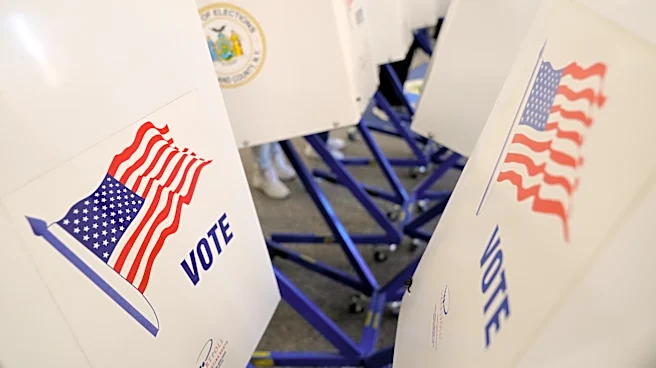
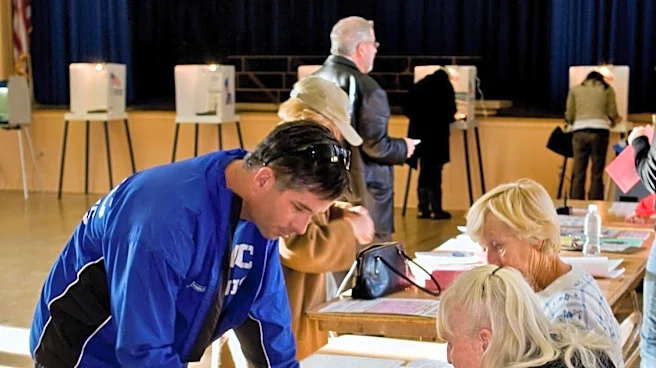
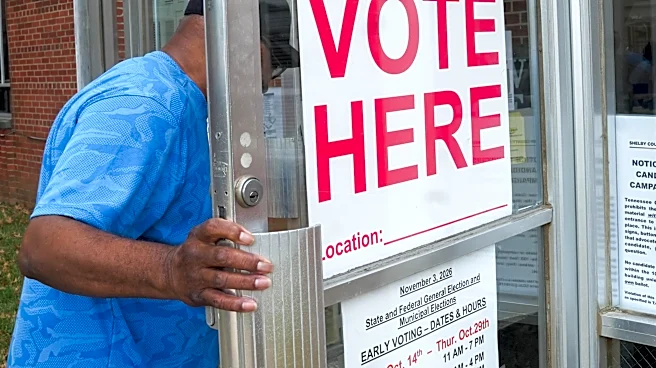
On Election Day itself, the responsibility shifts to the precinct election board at your local polling place. These boards are made of everyday citizens from your own community—your neighbors, teachers, and local business owners—who step up to serve. They are appointed by the county auditor and are required by law to include members of different political parties to ensure fairness. Led by a precinct superintendent, these poll workers are responsible for checking voter IDs, verifying signatures, issuing the correct ballots, and ensuring the polling place operates smoothly and according to state law. They are the front-line workers of democracy, providing assistance to voters and safeguarding the integrity of the process at the most fundamental level. If issues arise, like a voter's name not appearing on the registration list, they are trained to offer provisional ballots.
A System of Shared Responsibility
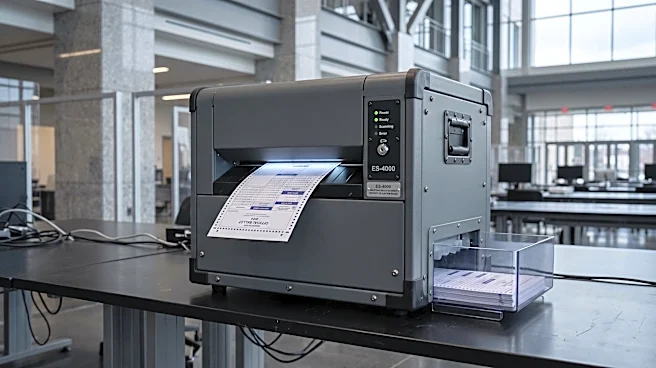
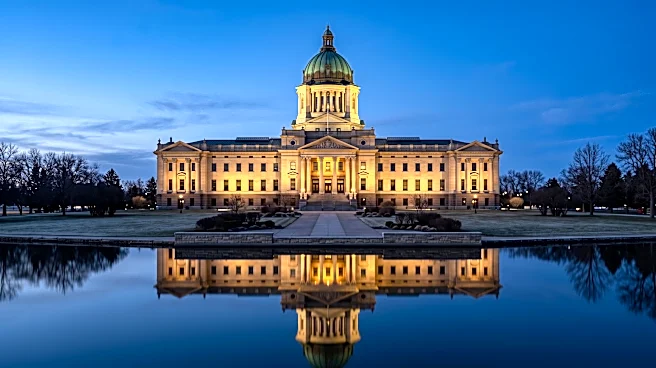
No single person or office runs elections in South Dakota. It’s a decentralized system designed with built-in checks and balances. The Secretary of State provides statewide guidance and certification, the County Auditor executes the plan at a local level, and precinct workers ensure a fair process for every voter who walks through the door. After the election, this collaboration continues. County auditors conduct a post-election audit by hand-counting ballots from randomly selected precincts to verify the accuracy of the machine count. The results are then sent to the Secretary of State, who certifies the final, official statewide tally. This layered approach ensures that from the state capitol in Pierre to the smallest town hall, the process is secure, transparent, and reflects the will of South Dakota voters.