




The Predictable Rhythm of Turnout
Like clockwork, Colorado voter turnout has always followed a familiar pattern: a surge for presidential elections and a dip for midterms. In 2012 and 2016, turnout of active voters hovered in the high 80s, driven by the intense national focus of a White House race. In contrast, the midterm years of 2010 and 2014 saw participation drop, a typical phenomenon across the country as congressional and state races generate less public excitement. This predictable ebb and flow is the baseline for understanding American elections. But within that rhythm, Colorado was on the verge of a major change that would set it apart from nearly every other state.
The Game-Changer of 2013
The pivotal moment in Colorado's modern voting history arrived in 2013 with the passage of the Voter
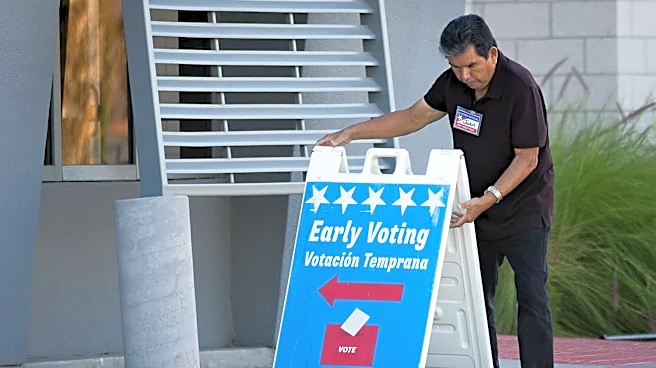
Access and Modernized Elections Act. This landmark legislation fundamentally altered how Coloradans vote. It moved the entire state to a default mail-in ballot system, meaning every registered voter automatically receives a ballot in the mail weeks before Election Day. The law also introduced same-day voter registration, allowing eligible citizens to register and vote all at once, right up to and including Election Day. Instead of making voting an errand, the state decided to bring the ballot directly to the voter's kitchen table. This wasn't just a minor tweak; it was a complete overhaul of the electoral process aimed squarely at removing barriers to participation.
A New Era of High Turnout
The results of the 2013 law were immediate and dramatic. The 2014 midterm election, the first major cycle under the new rules, saw turnout jump significantly compared to previous midterms. While other states saw participation sag, Colorado established a new, higher baseline. The real test came in the following years. The 2018 midterms, a highly contentious 'blue wave' election nationally, saw Colorado's turnout reach near-presidential levels, a feat few other states could claim. The state's system proved durable and popular, leading to record-breaking participation in the 2020 presidential election. Experts consistently point to the convenience of mail-in voting as the primary driver behind these impressive figures.
It's More Than Just the Mail
While mail-in ballots get the headlines, other factors contribute to Colorado's robust civic engagement. The state has seen explosive growth in its number of unaffiliated voters, who now represent the largest voting bloc, outnumbering both Democrats and Republicans. This group, often less motivated by partisan loyalty, benefits greatly from the mail-in system, which provides ample time to research candidates and issues without the pressure of a single polling day. Furthermore, Colorado's political landscape has remained competitive in many areas, giving voters a sense that their participation genuinely matters. This combination of accessible voting mechanics and a dynamic political environment creates a powerful incentive to return a ballot.
The Model Holds Firm Through 2024
The trends established over the previous decade solidified through the 2022 and 2024 election cycles. In the 2022 midterms, Colorado once again defied national trends of a significant drop-off, posting one of the highest turnout rates in the country. The 2024 presidential election confirmed the state's status as a leader in voter access. Turnout again soared past 80% of active voters, reinforcing the success of its model. Even as debates over election security and voting methods raged elsewhere, Colorado's system, honed over more than a decade, proved both resilient and effective at its primary goal: getting more people to participate in their own governance.