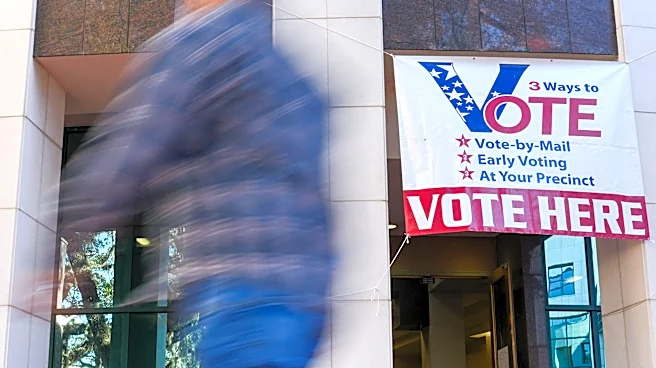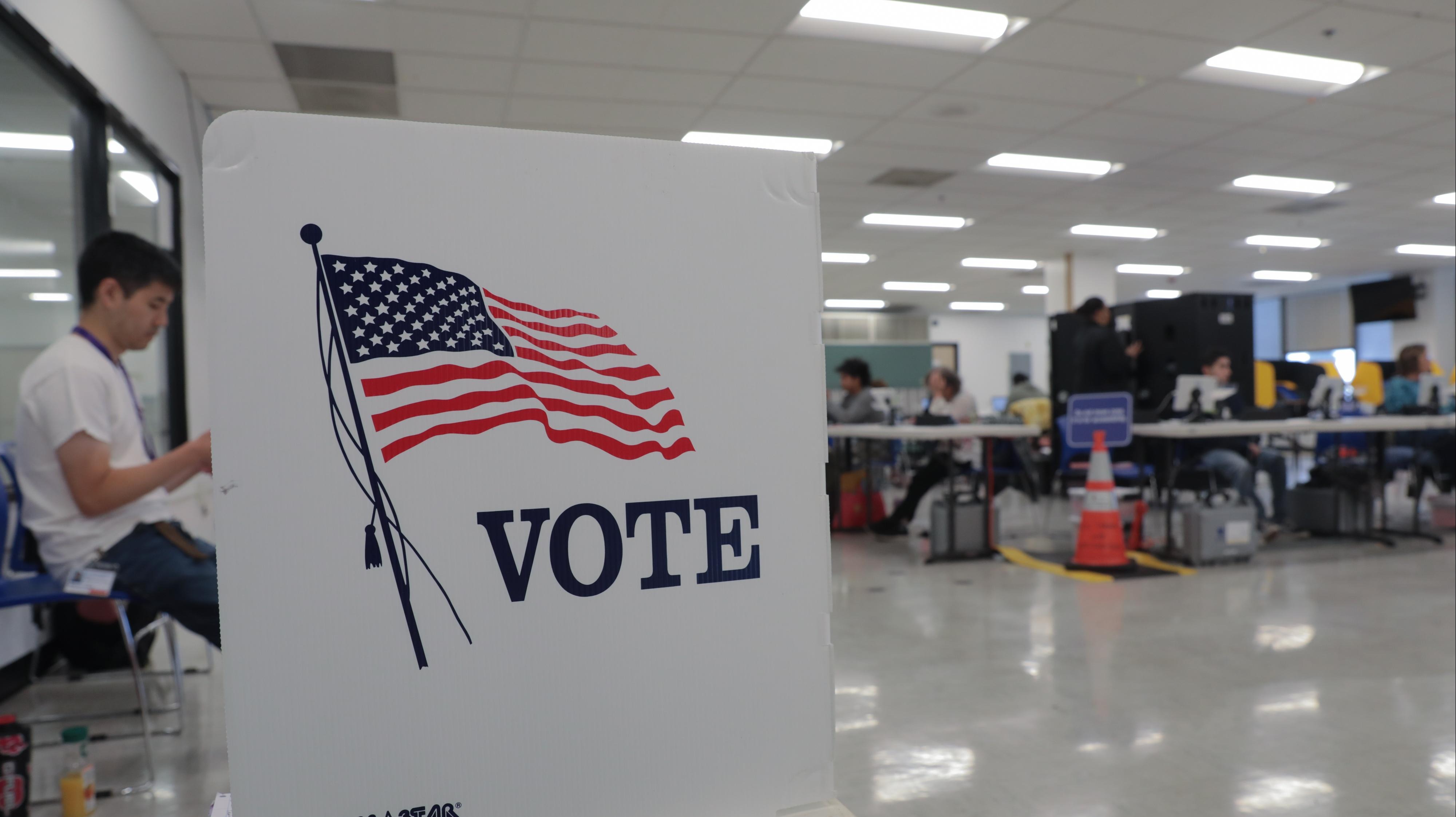

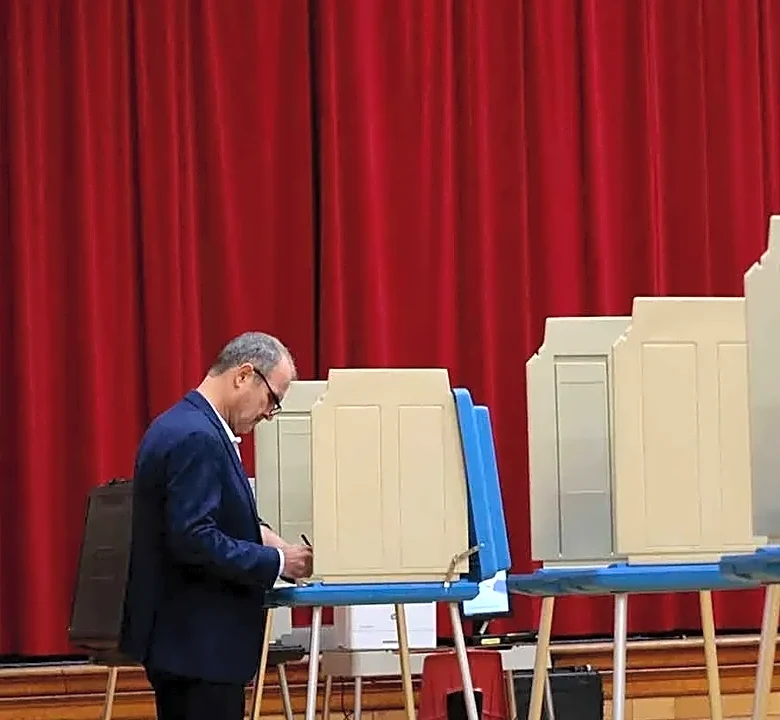



When you show up to vote on Election Day, you’re part of a system that’s much bigger than your local polling place. The foundational piece of that entire structure is the voting precinct, the smallest unit on America's electoral map.
What Exactly Is a Precinct?
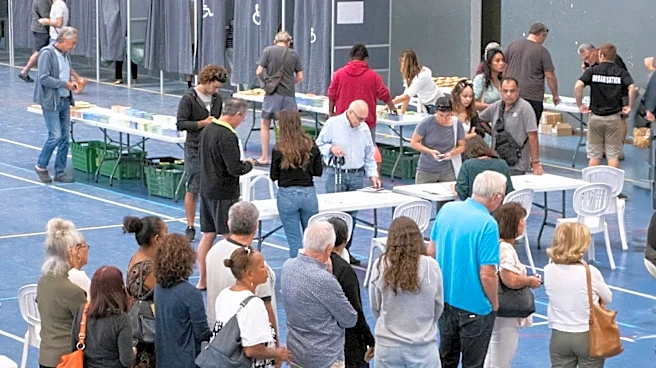
Think of a precinct as the most basic building block of democracy. It’s a specific, geographically defined area where all registered voters cast their ballots at the same polling place. In Rhode Island, these areas are drawn at the local level by each city or town. The core idea is simple: every voter within a precinct's boundaries gets the exact same ballot for state and local elections. This ensures that elections are managed on a local, neighborhood-by-neighborhood basis, making the massive undertaking of a statewide
or national election orderly and accountable. It's the official answer to the question, 'Where do I vote?' Your home address places you in one, and only one, precinct.
Why Precincts Are More Than Just Lines on a Map
A precinct does more than just determine your polling location; it's fundamental to ensuring fair and accurate representation. Because everyone in a precinct gets the same ballot, these boundaries are crucial for defining who you can vote for, especially in local races. Precincts are the puzzle pieces that are assembled to create larger voting areas, such as wards and state legislative districts. When votes are counted, they are often first tallied and reported at the precinct level, providing a transparent, granular look at how different communities voted. This system allows election officials to manage logistics efficiently, from allocating the right number of voting machines to training the correct number of poll workers for each location.
The Official Count for Rhode Island
So, how many of these electoral building blocks does the Ocean State have? Following the 2021-2022 redistricting cycle, Rhode Island is divided into 416 voting precincts. This number isn't arbitrary. It’s the result of a complex process where local boards of canvassers in each city and town draw lines based on population data, geography, and legal guidelines set by the state. This figure can change over time, most notably after the U.S. Census, which occurs every ten years. Significant population shifts can lead to redistricting, where precinct lines are redrawn to ensure districts have nearly equal populations and that representation remains fair. The current set of 416 precincts will be used for elections through 2032, barring any major shifts that require an earlier change.
Precincts vs. Districts: What's the Difference?
It's easy to get 'precinct' and 'district' confused, but the distinction is important. A precinct determines which ballot you receive and where you vote. A district, on the other hand, is a larger geographic area whose voters elect a public official to represent them, like a State Senator or a member of Congress. In Rhode Island, you live in a precinct, which is then situated within a State House district, a State Senate district, and one of the state's two congressional districts. State law encourages these various district lines to coincide with precinct lines as much as possible to avoid confusion and to prevent creating tiny slivers of precincts with fewer than 100 people who have a different ballot from their neighbors. In short, precincts are the components; districts are the structures built from them.
Finding Your Place in the System
Understanding this civic architecture is one thing, but making it work for you is another. For any Rhode Island voter, identifying your specific precinct is straightforward. The Rhode Island Department of State maintains a Voter Information Center online where you can enter your address to find your polling place, view sample ballots, and see which districts you belong to. Several independent projects also offer tools to look up your precinct and explore election data associated with it. Knowing your precinct is the first step to becoming a more informed voter, allowing you to understand precisely who is competing to represent you at the local, state, and federal levels.