




Mark Your Calendar: The General Election
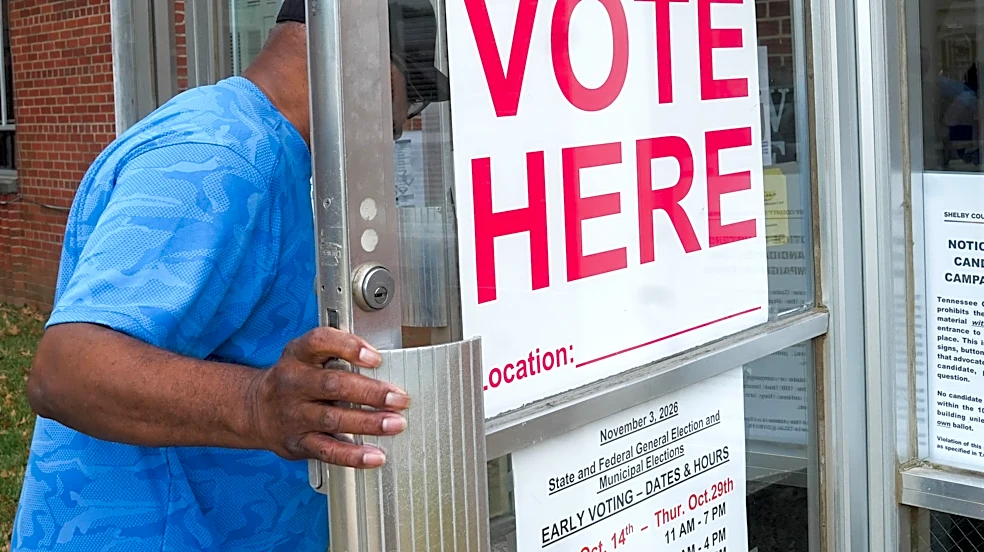
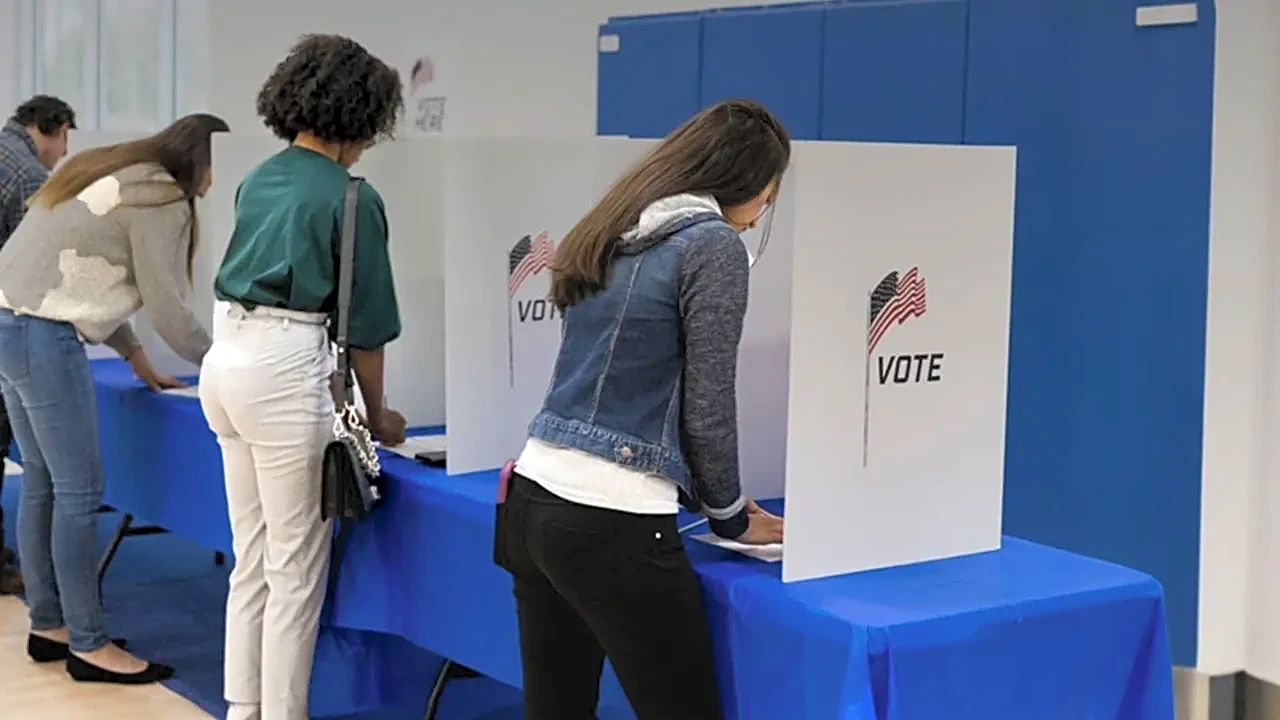
The 2026 general election in Kansas will be held on Tuesday, November 3, 2026. Polls are scheduled to be open from 7 a.m. to 7 p.m. This is the day when voters will make their final decisions on candidates who won their respective primary elections, which were held on August 4, 2026. Key deadlines for voters include October 13, 2026, which is the final day to register to vote. Early in-person voting can begin as soon as October 14.
An Open Governor's Race
One of the most significant contests will be for the state's top executive office, as incumbent Democratic Governor Laura Kelly is term-limited and cannot seek a third consecutive term. The race to succeed her will feature Democratic state Senator Cindy Holscher and Republican state Senate President Ty Masterson. Both
candidates emerged from crowded primary fields to face off in the general election. The winning ticket will also include their respective running mates for Lieutenant Governor: KC Ohaebosim on the Democratic ticket and Jeff Klemp on the Republican side.
Federal Offices on the Line
Kansans will also vote on federal representation in Washington, D.C. An election for the Class II U.S. Senate seat will take place, with incumbent Republican Roger Marshall seeking a second term. Additionally, all four of Kansas's seats in the U.S. House of Representatives are up for election. As of late 2026, the delegation consists of three Republicans and one Democrat, Sharice Davids, who represents the 3rd Congressional District in the Kansas City area. Each of the state's four districts—covering eastern, western, and central Kansas—will have contests on the ballot.
Other Key Statewide Contests
Beyond the governor's race, several other crucial statewide executive offices are on the ballot for four-year terms. This includes a high-profile rematch for Attorney General between Republican incumbent Kris Kobach and Democratic challenger Chris Mann, who previously faced each other in 2022. Voters will also elect a new Secretary of State, as the incumbent is running for governor, as well as a State Treasurer and Insurance Commissioner. Furthermore, all 125 seats in the Kansas House of Representatives are up for election for two-year terms, giving voters a direct say in the composition of the state legislature.
A Constitutional Question for Voters
In addition to candidate races, Kansans will decide on a proposed amendment to the state constitution. The 'Citizenship Voting Requirement Amendment' would change the constitution's language to specify that 'only' U.S. citizens are eligible to vote in state elections. Currently, the constitution states that 'every' U.S. citizen has the right to vote, and it is already illegal for noncitizens to vote in Kansas. Proponents argue the change is a necessary clarification to prevent noncitizen voting in local elections, while opponents suggest the measure is redundant and could create voter confusion.