



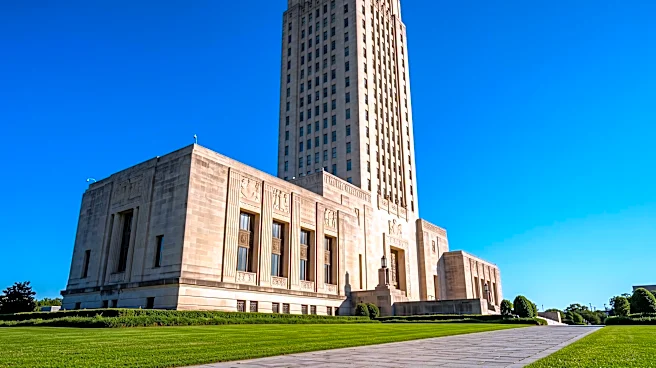
The State's Role: The Secretary of State
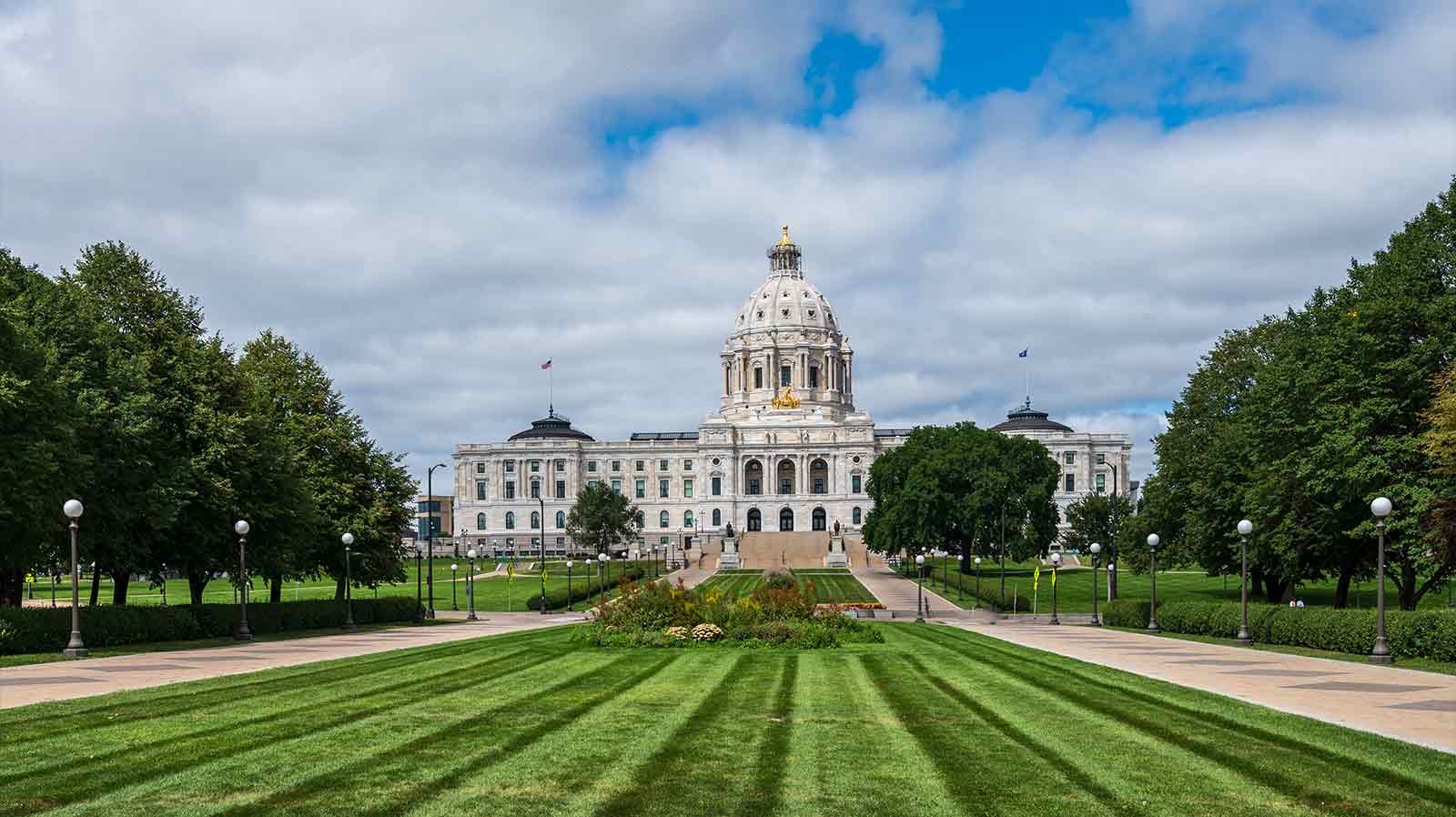
At the top of the pyramid is the Minnesota Secretary of State, who serves as the state's chief elections administrator. This office doesn't run the physical polling places but sets the rules of the road for the entire state. Key responsibilities include managing the statewide voter registration system, certifying voting equipment to ensure it is secure and accurate, and providing training and guidance to local election officials. The Secretary of State's office ensures that election laws are applied uniformly across all 87 counties, from creating materials for training election judges to accepting filings from candidates for federal and state office. Think of this office as the architect and commissioner of the league, responsible for the overall
integrity, fairness, and security of the system.
The County Hub: Auditors and Finance Officers
While the state sets the big picture, the real logistical heavy lifting happens at the county level. Each of Minnesota's 87 counties has an official—typically a County Auditor or an Auditor-Treasurer—who is the main coordinator for all elections within that county's borders. These officials are responsible for crucial tasks like preparing and printing ballots, managing absentee voting, and training the city and township clerks who work on the front lines. They program and test all voting equipment before it's deployed to polling places. After the polls close, counties are responsible for the initial canvass, where they compile the results from every precinct and report them to the state. They also conduct post-election audits to verify the vote counts were accurate.
The Front Lines: City and Township Clerks
If the county is the regional headquarters, then city and township clerks are the field managers running the game-day operations. These local officials are responsible for the most visible parts of an election. They secure the physical polling places, whether it's a school gym or a community center, and ensure they are accessible to voters. They also have the critical job of hiring and assigning the hundreds of election judges needed for each precinct. While the county often handles training, in some cases, local clerks are delegated that responsibility. They manage everything that happens within the four walls of the polling place, from setting up voting booths to ensuring a smooth process for voters on Election Day.
The People in the Room: Election Judges
The most essential workers in this entire process are the thousands of everyday citizens who serve as election judges. These are your neighbors—temporary workers hired and trained to staff polling places on Election Day. They are responsible for everything from greeting voters and checking them in on the roster to issuing ballots and providing instructions. They help new voters register on-site, offer assistance to those who need it, and ensure all procedures are followed correctly. Minnesota law requires a partisan balance among election judges in each precinct to ensure fairness and non-partisanship in the administration of voting. Even high school students aged 16 and 17 can serve as trainees, learning the process firsthand. These judges are the face of the election, guaranteeing that the process is transparent and protected.