



The Ground Floor of Democracy
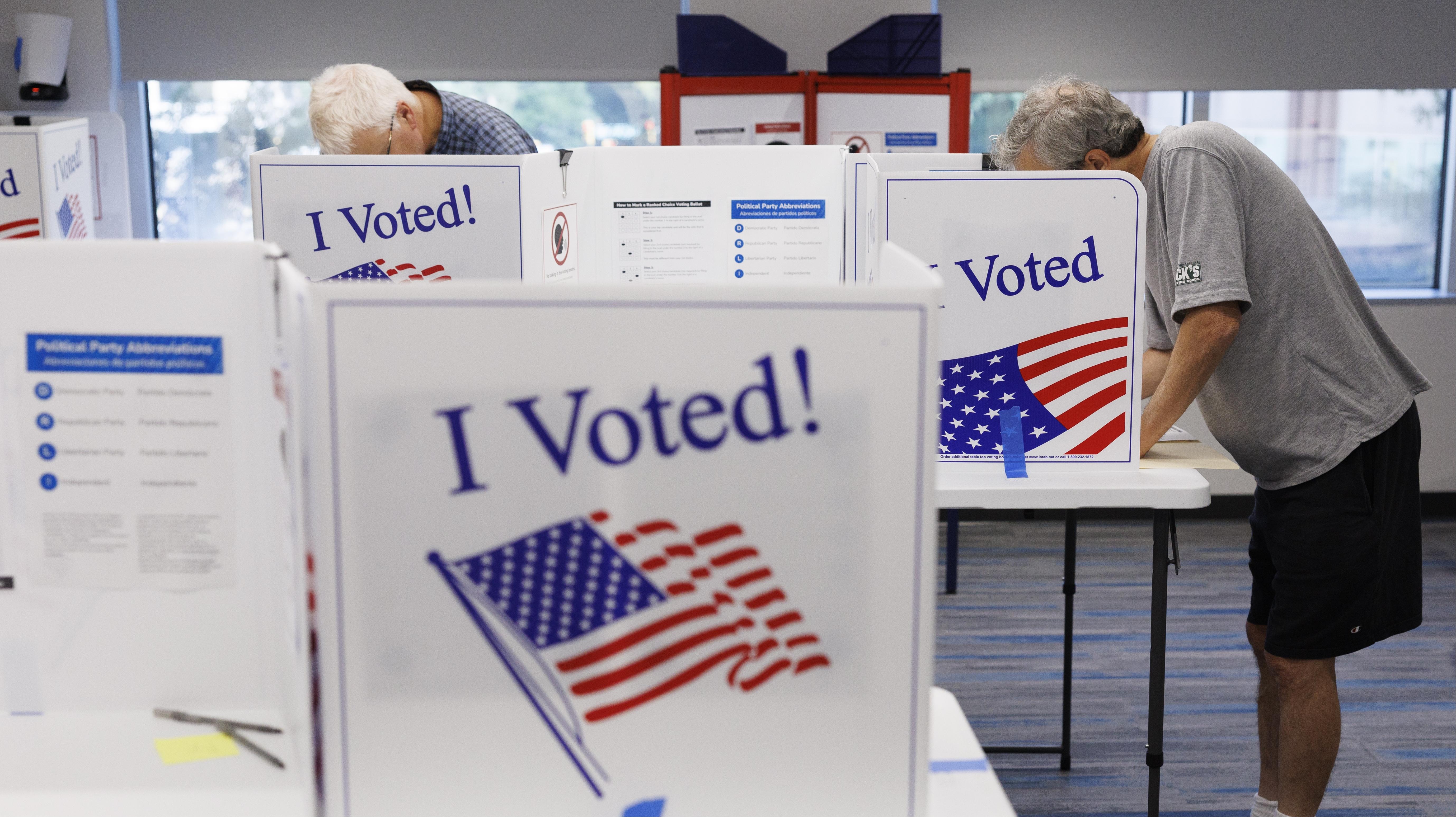
At its core, a precinct is simply a geographic area used for organizing elections. Think of it as a neighborhood for voting. Under South Dakota law, each of the state's 66 counties is divided into these smaller districts. When you register to vote, your home address places you within a specific precinct. This single designation determines two crucial things: where you go to cast your ballot on Election Day and which local races—for city council, county commission, or school board—will appear on your specific ballot. It’s the system that ensures you vote on the issues and candidates directly impacting your community. While we often focus on statewide or national races, the precinct is where governance gets personal.
Who Decides the Lines?
The boundaries of these precincts
aren't drawn randomly. In South Dakota, the Board of County Commissioners in each county is responsible for drawing and adjusting precinct lines. Their goal is to create a logical and efficient system for voters. According to state law, if voters at a particular polling place experienced 'unreasonable waiting time'—defined as more than 30 minutes—in the last general election, the commissioners are required to adjust the precinct's size. This could mean splitting one large precinct into two smaller ones. These boundaries can't be changed right before an election to avoid confusion; any adjustments must be made well in advance. This process of drawing lines is a balancing act between population density, geography, and ensuring every voter has fair and reasonable access to the polls.
So, How Many Are There?
This is where it gets a little more fluid. The exact number of precincts in South Dakota can change from one election to the next due to the adjustments made by county commissioners. However, we can get a very clear snapshot from recent election data. For the primary election on July 28, 2026, the South Dakota Secretary of State reported a total of 650 precincts across the state. This number gives a reliable indication of the electoral landscape. It's also important to note that some counties are moving toward a 'vote center' model. In a vote center system, a county may consolidate several precincts into one or more larger polling places where any registered voter in that jurisdiction can cast a ballot, regardless of their home address. This offers more flexibility but represents a different approach from the traditional one-precinct, one-polling-place model.
Why It Matters to You
The concept of a precinct might seem like administrative trivia, but it has real-world consequences for your voting experience. In a vast, rural state like South Dakota, the number and placement of precincts directly affect how far you might have to travel to vote. A well-run precinct, staffed by trained poll workers from your own community, ensures that Election Day runs smoothly. It’s the difference between a quick, easy process and a frustratingly long line. Furthermore, your precinct connects you to your hyper-local representatives. The people running for office in your precinct are the ones making decisions about your roads, your schools, and your local taxes. Understanding your precinct is the first step to understanding the full scope of your power as a voter, from the White House all the way down to your own neighborhood.